



Die Forschung zu Nitraten und Krebs entwickelt sich noch, aber Wissenschaftler richten ihre Aufmerksamkeit zunehmend darauf, was eine langfristige Exposition durch Trinkwasser für die Gesundheit im...
Warenkorb
(0 Artikel)
Dein Warenkorb ist leer

Leitungswasser ist etwas, auf das wir jeden Tag angewiesen sind. Aber kann es jemals gesundheitsschädlich sein? Im Vereinigten Königreich wird Trinkwasser streng reguliert und überwacht. Dennoch können vereinzelt Kontaminationsvorfälle, Installationsprobleme oder chemische Belastungen auftreten.
Von Bakterien und Parasiten bis hin zu Pestiziden und Schwermetallen können bestimmte Kontaminanten im Wasser Symptome von Übelkeit und Bauchkrämpfen bis zu schwerwiegenderen Komplikationen bei gefährdeten Personen verursachen.
Das Verständnis der potenziellen Risiken – und das Wissen, was bei Symptomen zu tun ist – hilft Ihnen, Ihre eigene Gesundheit und die Ihrer Familie zu schützen.
Die häufigsten Ursachen sind bakterielle oder virale Kontaminationen. Krankheitserreger wie E. coli, Salmonellen, Norovirus oder Cryptosporidium können durch Abwasseraustritte, landwirtschaftlichen Abfluss oder Infrastrukturprobleme ins Wasser gelangen.
Diese Mikroorganismen können Symptome wie Erbrechen, Durchfall, Fieber und Bauchschmerzen verursachen. Besonders gefährdet sind Kleinkinder, ältere Menschen und Personen mit geschwächtem Immunsystem.
Chemische Kontamination ist ein weiteres Problem. Obwohl das Trinkwasser im Vereinigten Königreich vom Drinking Water Inspectorate (DWI) reguliert wird, können gelegentlich Spuren von Substanzen wie Pestiziden, Industriesolventen, PFAS oder Arzneimittelrückständen nachgewiesen werden.
Schließlich kann eine übermäßige Wasseraufnahme – wenn auch selten – zu einer sogenannten Wasservergiftung (Hyponatriämie) führen. Dies tritt auf, wenn der Natriumspiegel im Körper gefährlich verdünnt wird.

Frühes Erkennen der Symptome ist entscheidend. Anhaltendes Erbrechen, Durchfall, starke Bauchschmerzen, Kopfschmerzen oder Fieber können auf eine wasserbedingte Erkrankung hinweisen.
Wenn Sie eine Wasserverunreinigung vermuten:
Bei schweren Symptomen – wie hohem Fieber, Blut im Stuhl, neurologischen Symptomen oder anhaltender Krankheit – suchen Sie umgehend ärztlichen Rat, indem Sie Ihren Hausarzt oder den NHS 111 kontaktieren.
Nachfolgend finden Sie einen allgemeinen Überblick über häufige Kontaminanten, zugehörige Symptome und empfohlene Maßnahmen:
| Kontaminant | Mögliche Symptome | Empfohlene Maßnahmen |
| Bakterien (E. coli, Salmonellen) | Durchfall, Erbrechen, Bauchschmerzen, Fieber | Flüssigkeitszufuhr, ärztliche Beratung bei schweren Fällen |
| Viren (Norovirus, Rotavirus) | Übelkeit, Erbrechen, Durchfall, Kopfschmerzen | Ruhe, Flüssigkeitszufuhr, Arztbesuch bei anhaltenden Symptomen |
| Schwermetalle (Blei) | Neurologische Auswirkungen, Müdigkeit, Bauchbeschwerden | Kontakt vermeiden, Wassertest anfordern, medizinischen Rat einholen |
| Pestizide / Industriechemikalien | Kopfschmerzen, Schwindel, Übelkeit | Konsum einstellen, medizinischen Fachmann konsultieren |
| Parasiten (Giardia, Cryptosporidium) | Anhaltender Durchfall, Gewichtsverlust, Müdigkeit | Ärztliche Beratung, spezifische Behandlung falls erforderlich |
| Überschüssiges Chlor | Reizungen der Augen, veränderter Geschmack, leichte Übelkeit | Wasser stehen lassen, bei Bedarf filtern |
Im Allgemeinen gilt Leitungswasser im Vereinigten Königreich als sicher und unterliegt strenger behördlicher Aufsicht durch die Drinking Water Inspectorate (DWI), die UK Health Security Agency (UKHSA) und lokale Wasserversorger.
Dennoch können unter bestimmten Umständen Probleme auftreten:
Diese Situationen sind selten, zeigen aber, wie wichtig es ist, über die lokale Wasserqualität informiert zu bleiben.

Wenn Sie zusätzliche Sicherheit wünschen, gibt es praktische Schritte, die Sie zu Hause unternehmen können.
Viele Haushalte erkunden Wasserfiltersysteme, um die Trinkwasserqualität zu verbessern. Verschiedene Technologien entfernen Verunreinigungen auf unterschiedliche Weise, und dieser Leitfaden erklärt die Unterschiede zwischen Umkehrosmose- und Schwerkraftwasserfiltern und wann welches System geeignet sein kann.
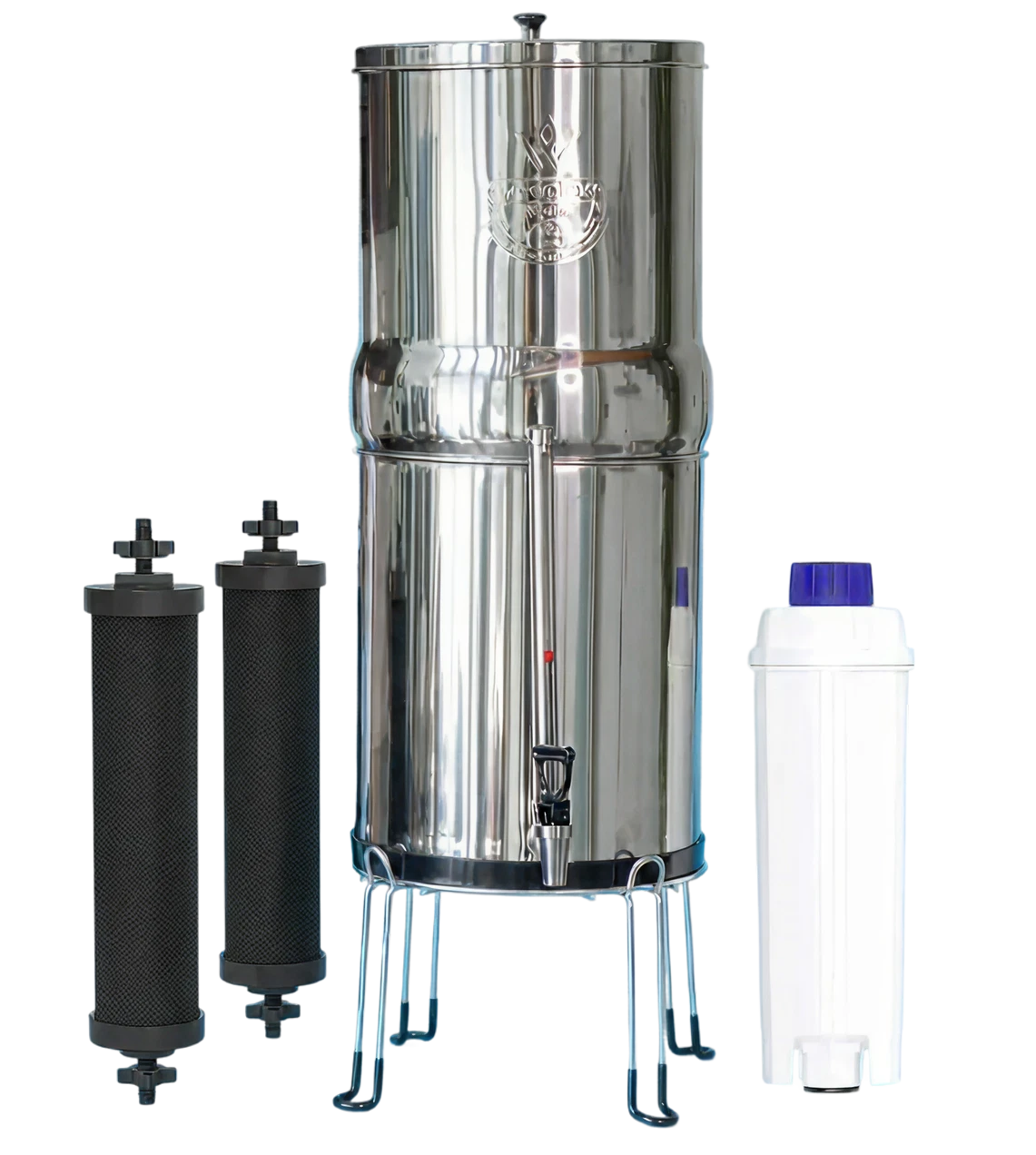
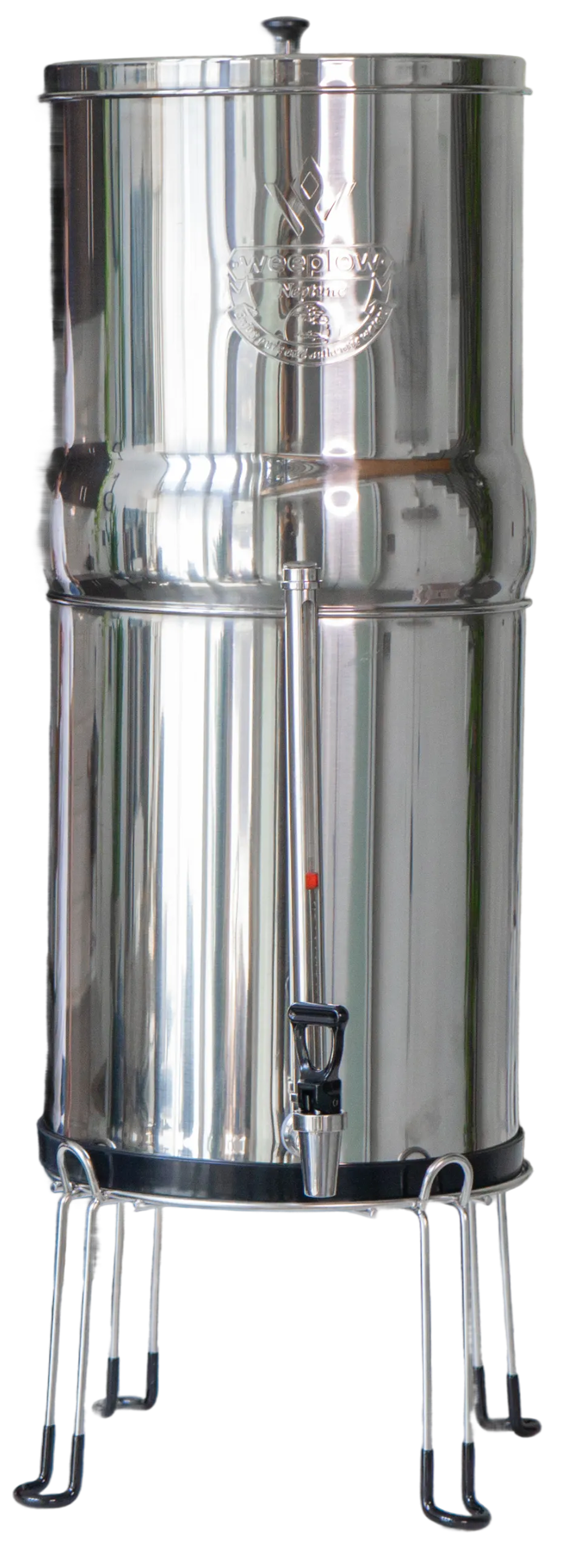
Weeplow Schwerkraft-Filtersysteme kombinieren Keramik- und Aktivkohle-Technologie, um Bakterien, Chlor, Pestizide und Schwermetalle zu reduzieren – ganz ohne Strom. Sie können mit Leitungswasser, Regenwasser oder anderen Süßwasserquellen verwendet werden.
Sie können hier verfügbare Modelle erkunden:
Weeplow Schwerkraft-Filtersysteme ansehen
Um festzustellen, ob Ihr Wasser gefiltert werden muss, können Testkits helfen, das Vorhandensein von Chlor, Schwermetallen oder anderen Verunreinigungen zu erkennen.
Wenn Sie Bedenken bezüglich Ihrer lokalen Wasserversorgung haben, wenden Sie sich an Ihren Wasserversorger oder konsultieren Sie öffentlich zugängliche Wasserqualitätsberichte für Ihre Region.
Kleine, vorbeugende Maßnahmen können zusätzliche Sicherheit bieten – und dazu beitragen, dass das Wasser, das Sie täglich trinken, so sicher wie möglich bleibt.
Die Forschung zu Nitraten und Krebs entwickelt sich noch, aber Wissenschaftler richten ihre Aufmerksamkeit zunehmend darauf, was eine langfristige Exposition durch Trinkwasser für die Gesundheit im...

Hinweise zum Abkochen von Wasser können unerwartet erscheinen, sind aber ein normaler Bestandteil der Wasserqualitätskontrolle. Dieser Leitfaden erklärt, was sie bedeuten, warum sie auftreten und g...
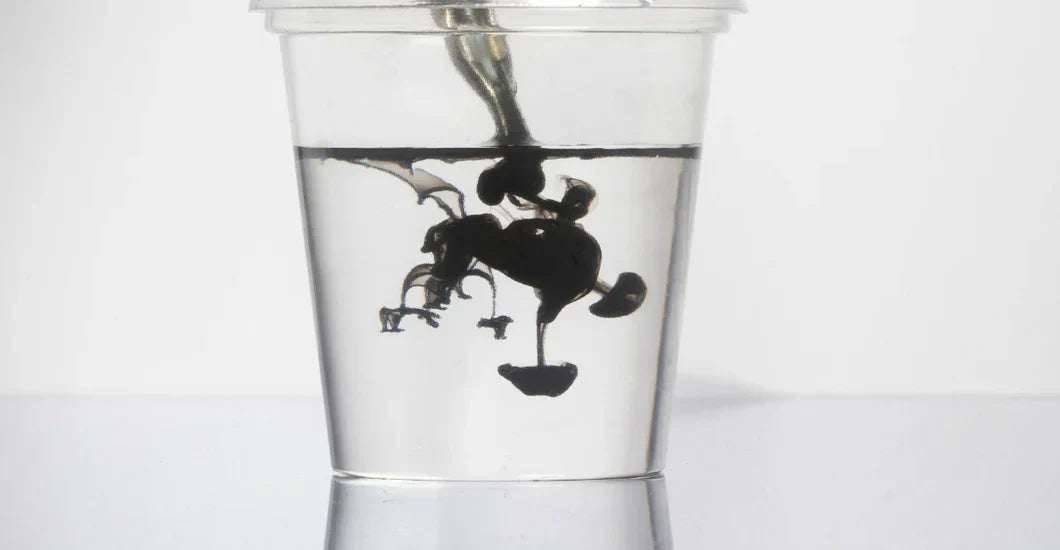
Ein virales Video, das auf X (ehemals Twitter) geteilt wurde, hat Millionen von Aufrufen erzielt. In dem Clip versucht ein Mann zu beweisen, dass Flaschenmineralwasser stark verunreinigt ist, indem...
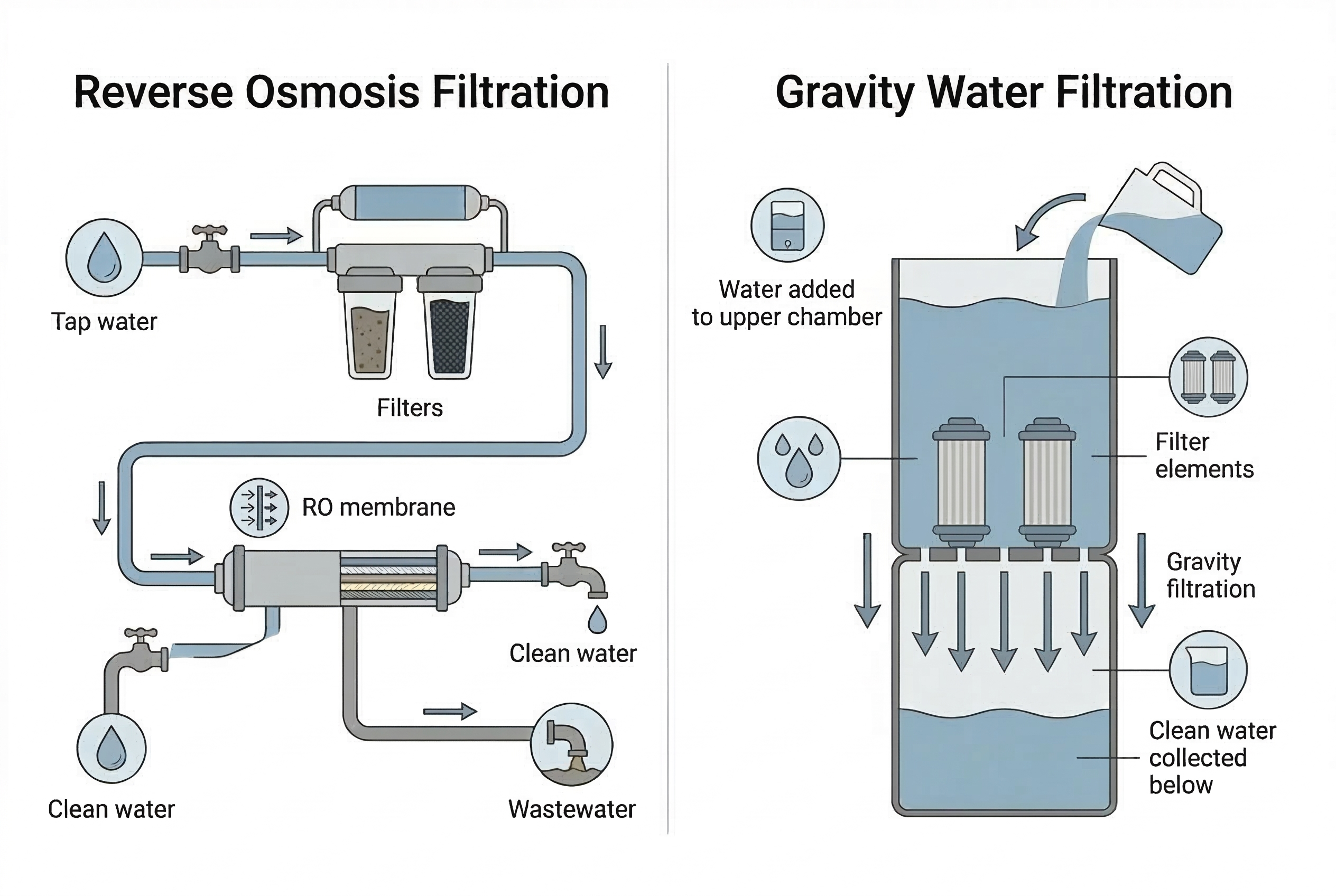
Umkehrosmose- und Schwerkraft-Wasserfilter verbessern beide die Trinkwasserqualität, funktionieren jedoch auf sehr unterschiedliche Weise. Erfahren Sie, wie jedes System arbeitet, welche Verunreini...
Nestlé Waters wegen Mineralwasserbehandlungspraktiken mit Geldstrafe belegt Nestlé Waters, die Mineralwassersparte des Schweizer Konzerns Nestlé, hat sich nach Untersuchungen seiner Mineralwassera...