


Die Forschung zu Nitraten und Krebs entwickelt sich noch, aber Wissenschaftler richten ihre Aufmerksamkeit zunehmend darauf, was eine langfristige Exposition durch Trinkwasser für die Gesundheit im...
Warenkorb
(0 Artikel)
Dein Warenkorb ist leer
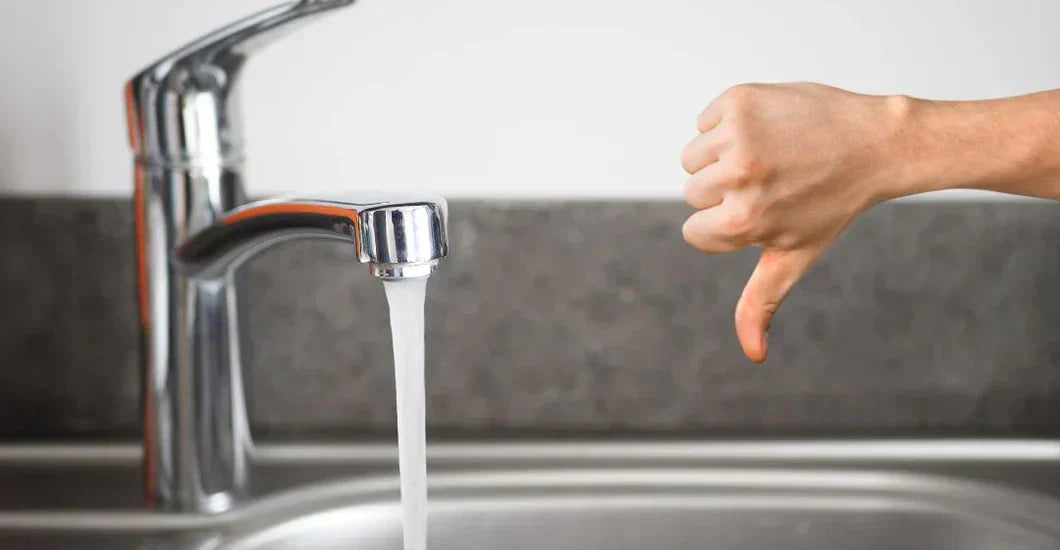
Trinkwasser ist lebenswichtig für den Menschen und nachhaltige Entwicklung. Es ist entscheidend für Gesundheit, Hygiene, Industrie und mehr. Dennoch bleibt der Zugang zu sicherem und sauberem Trinkwasser selbst in entwickelten Ländern wie dem Vereinigten Königreich eine Herausforderung.
Die Qualität des Leitungswassers kann durch verschiedene Faktoren beeinträchtigt werden, darunter mikrobiologische oder chemische Verunreinigungen oder Schwermetalle. Auch veraltete Infrastruktur ist ein Problem. In diesem Artikel erklären wir, warum das Trinken von Leitungswasser manchmal nicht ratsam ist und welche Alternativen es gibt, um zu Hause sicheres Trinkwasser zu gewährleisten.
Obwohl Leitungswasser in Haushalten frei fließt, kann seine Qualität gelegentlich beeinträchtigt sein, was Verbraucher Gesundheitsrisiken aussetzt. Die Hauptarten von Schadstoffen sind:
Die UK Health Security Agency (UKHSA) und andere Organisationen haben chemische Schadstoffe im Leitungswasser untersucht. Eine ursprünglich in Frankreich durchgeführte Studie zeigte besorgniserregende Ergebnisse, und ähnliche Schadstoffe können je nach lokalen Bedingungen auch im britischen Wasser auftreten.
Die Folgen chemischer Verunreinigungen umfassen:
Langfristige Exposition gegenüber solchen Schadstoffen kann die Gesundheit der Bewohner schädigen.
Pestizide können durch landwirtschaftlichen Abfluss ins Trinkwasser gelangen. Sie können das Nervensystem beeinträchtigen, kognitive Funktionen stören und das Risiko neurologischer Erkrankungen erhöhen. Hormonelle Störungen, vorzeitige Pubertät und Fortpflanzungsprobleme sind ebenfalls besorgniserregend.
Es gibt auch Hinweise auf ein erhöhtes Risiko für bestimmte Krebsarten, insbesondere Lymphom und Prostatakrebs.
Grundwasserverunreinigungen durch Rückstände von Sprengstoffen, obwohl im Vereinigten Königreich selten, können Risiken für das Nervensystem und die Fortpflanzungsorgane darstellen. Mögliche Auswirkungen sind:
Es besteht auch ein erhöhtes Risiko für Leber- und Blasenkrebs.
1,4-Dioxan ist ein Industriesolvent, das in Produkten wie Kosmetika, Reinigungsmitteln und Pestiziden verwendet wird. Eine Exposition, selbst in niedrigen Konzentrationen, kann schädlich sein und folgende Wirkungen verursachen:
Generell ist die Qualität des Leitungswassers im Vereinigten Königreich hoch, aber es ist nicht immer frei von schädlichen Mikroorganismen. Biofilme – Ansammlungen von Mikroorganismen an Rohrwänden – können das Bakterienwachstum fördern.
Im Trinkwasser gibt es zwei Kategorien von Keimen: solche, die im Wasser gedeihen, und solche, die darin überleben.
Beispiele sind:
Bakterien und Viren, die vorübergehend im Leitungswasser überleben können, sind:
Schwermetalle wie Blei, Cadmium, Arsen und Quecksilber können durch industrielle Aktivitäten, Sanitärinstallationen und Umweltverschmutzung ins Trinkwasser des Vereinigten Königreichs gelangen.
Gesundheitsrisiken umfassen:
Kinder und ältere Menschen sind besonders anfällig für Schwermetalle.
Obwohl Leitungswasser im Vereinigten Königreich streng überwacht wird und Trinkwasserstandards erfüllt, kann die Wasserqualität während des Transports und der Lagerung in Rohren beeinträchtigt werden.
Einschränkungen umfassen:
Die britischen Vorschriften gewährleisten Sicherheit von der Quelle bis zum Wasserhahn. Wasserunternehmen und die Drinking Water Inspectorate führen strenge Probenahmen und Tests durch, doch Verschmutzung, alternde Infrastruktur und sich entwickelnde Behandlungsmethoden können Grenzen aufzeigen, wobei die langfristigen Auswirkungen einiger Nebenprodukte nicht vollständig bekannt sind.
Obwohl die meisten Einwohner des Vereinigten Königreichs Leitungswasser trinken, werden Konsumgewohnheiten durch Geschmack, Farbe und Geruch beeinflusst, die oft mit lokalen Wasserquellen oder alten Rohren zusammenhängen.
Einige Nicht-Trinker sorgen sich um Wasserqualität und Transparenz und verweisen auf frühere Vorfälle von Wasserverunreinigungen. Die regionale Wasserqualität kann variieren, daher sind lokale Hinweise wichtig.
Bei Bedenken wenden Sie sich an Ihr örtliches Wasserunternehmen oder die UKHSA. Die Wasserqualität kann je nach Region oder sogar Nachbarschaft variieren.
Optionen zur Verbesserung der Leitungswasserqualität sind Flaschenwasser und Haushaltsfiltrationssysteme.
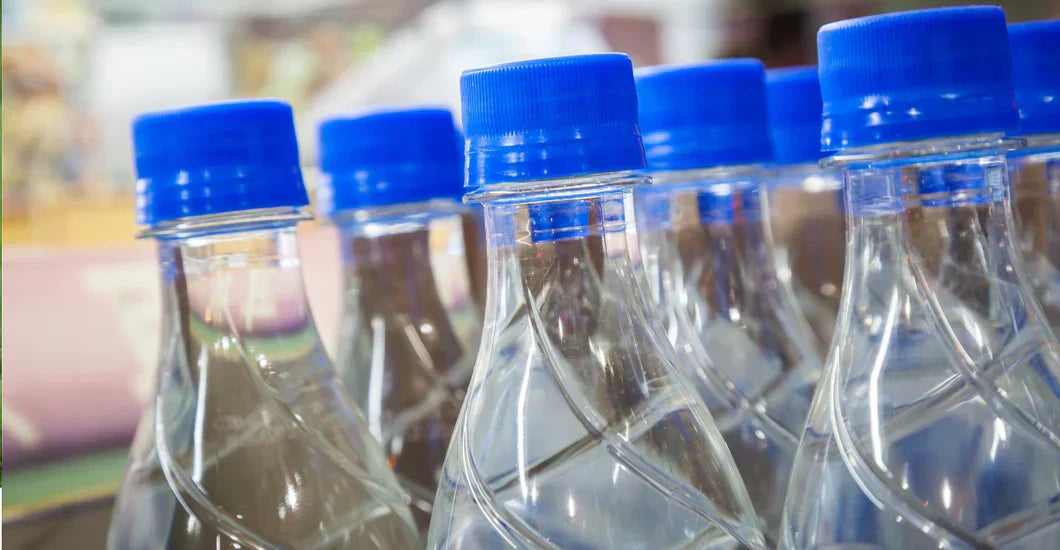
Flaschenwasser kann notwendig sein, wenn das lokale Leitungswasser unsicher ist. Obwohl es in den meisten Regionen des Vereinigten Königreichs sicher ist, kann es in einigen ländlichen Gebieten mit landwirtschaftlichem Abfluss zu vorübergehenden Kontaminationen kommen.
Für den täglichen Gebrauch ist Leitungswasser in der Regel vorzuziehen. Flaschenwasser kann Mikroplastik enthalten, gelegentlich Qualitätsstandards nicht erfüllen und hat Umwelt- sowie Kostenfolgen.
Hausfilter entfernen Verunreinigungen, darunter:
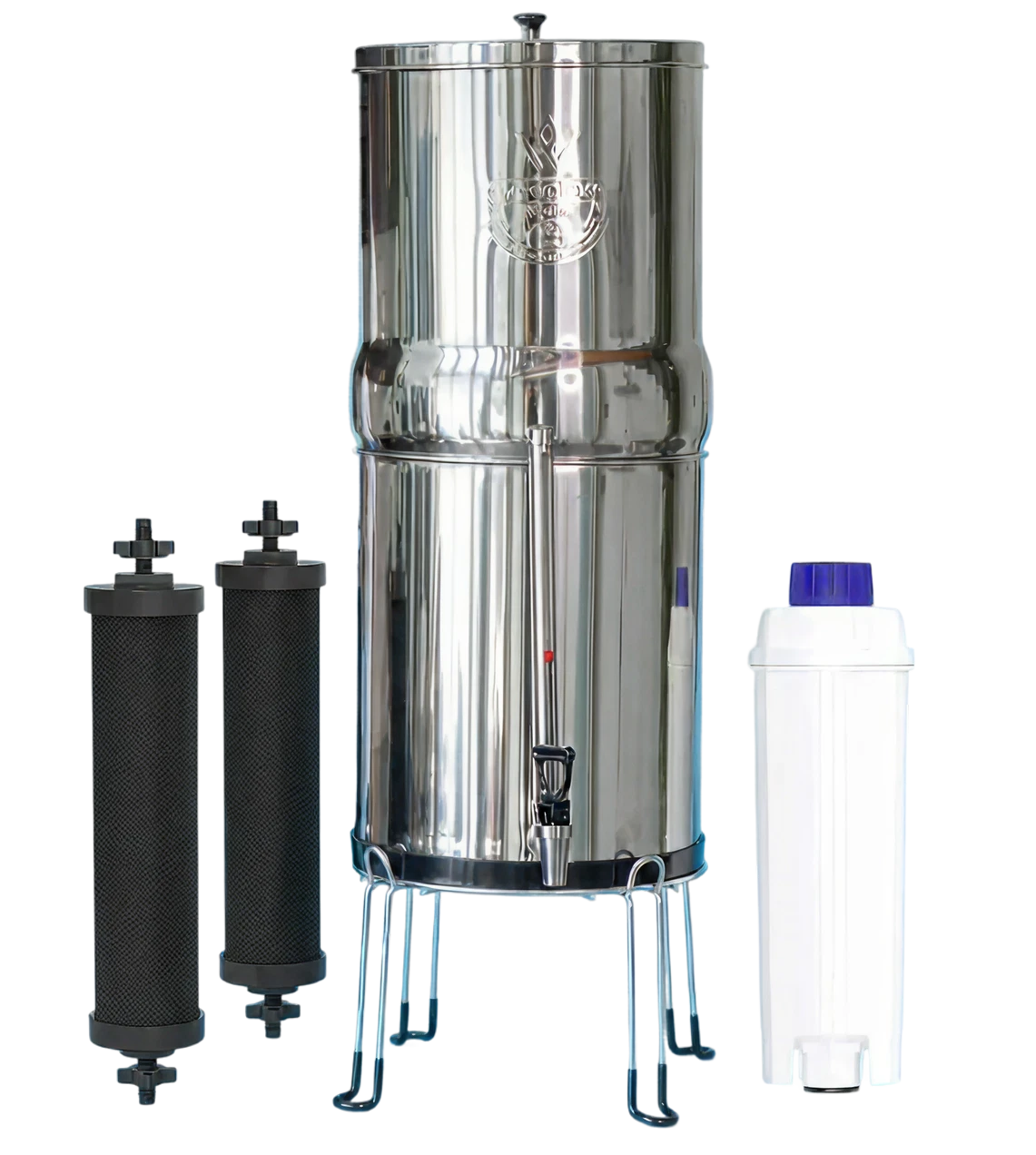
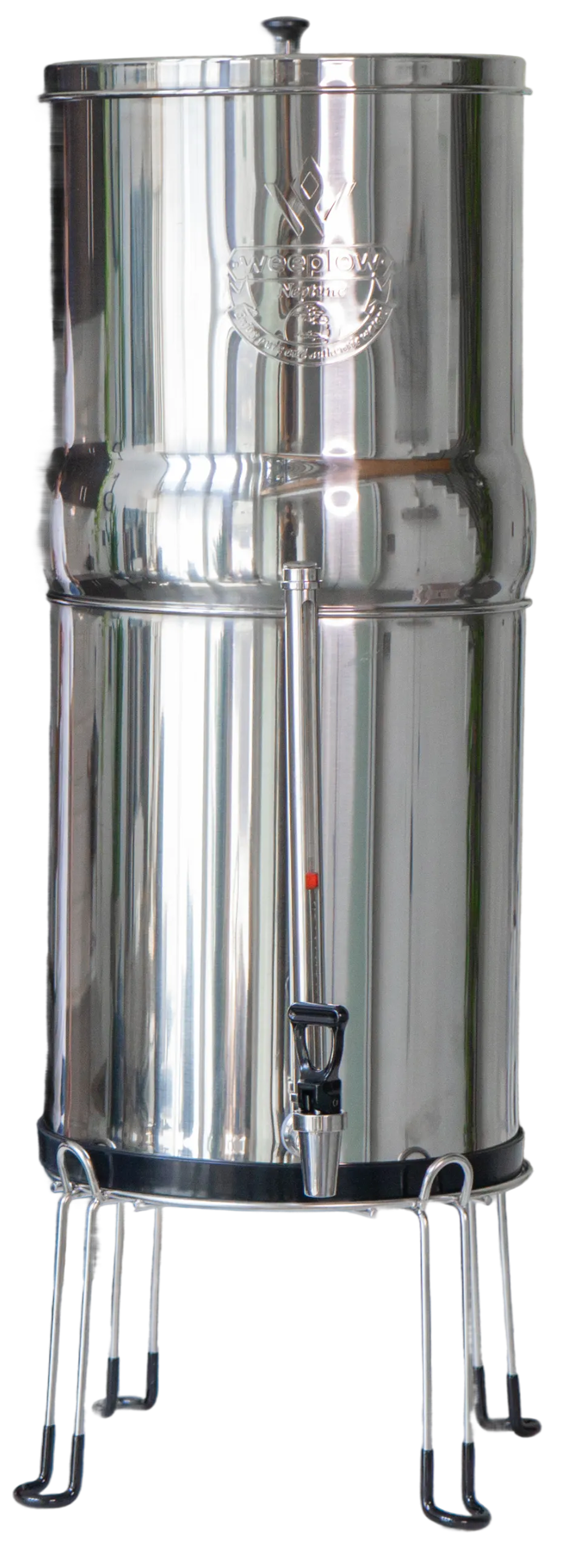
Aktivkohlefilter sind üblich und absorbieren Chlor, Pestizide und Chemikalien. Die Filtrationssysteme von Weeplow sind in verschiedenen Größen für den täglichen Wasserbedarf erhältlich.
Das Leitungswasser im Vereinigten Königreich wird streng überwacht und erfüllt hohe Standards. Verbraucher sollten wachsam bleiben und Wasserhähne sowie Rohre warten, um Kontaminationen zu vermeiden.
Gefiltertes Leitungswasser ist aus Umwelt- und Kostengründen dem Flaschenwasser vorzuziehen.
Entdecken Sie unser Sortiment an Schwerkraft-Filtrationssystemen, um Leitungswasser mit Vertrauen zu trinken.
Die Forschung zu Nitraten und Krebs entwickelt sich noch, aber Wissenschaftler richten ihre Aufmerksamkeit zunehmend darauf, was eine langfristige Exposition durch Trinkwasser für die Gesundheit im...
Hinweise zum Abkochen von Wasser können unerwartet erscheinen, sind aber ein normaler Bestandteil der Wasserqualitätskontrolle. Dieser Leitfaden erklärt, was sie bedeuten, warum sie auftreten und g...
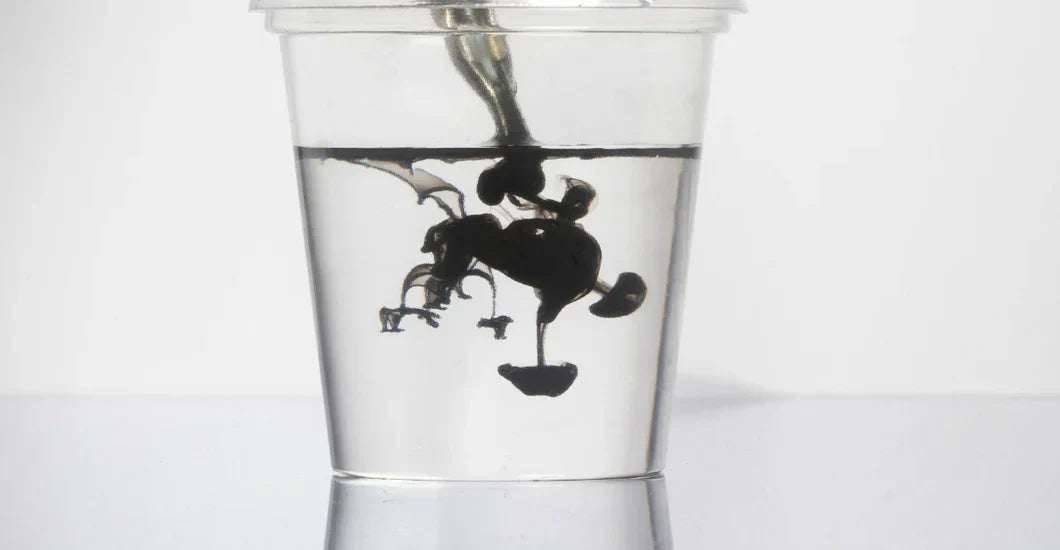
Ein virales Video, das auf X (ehemals Twitter) geteilt wurde, hat Millionen von Aufrufen erzielt. In dem Clip versucht ein Mann zu beweisen, dass Flaschenmineralwasser stark verunreinigt ist, indem...
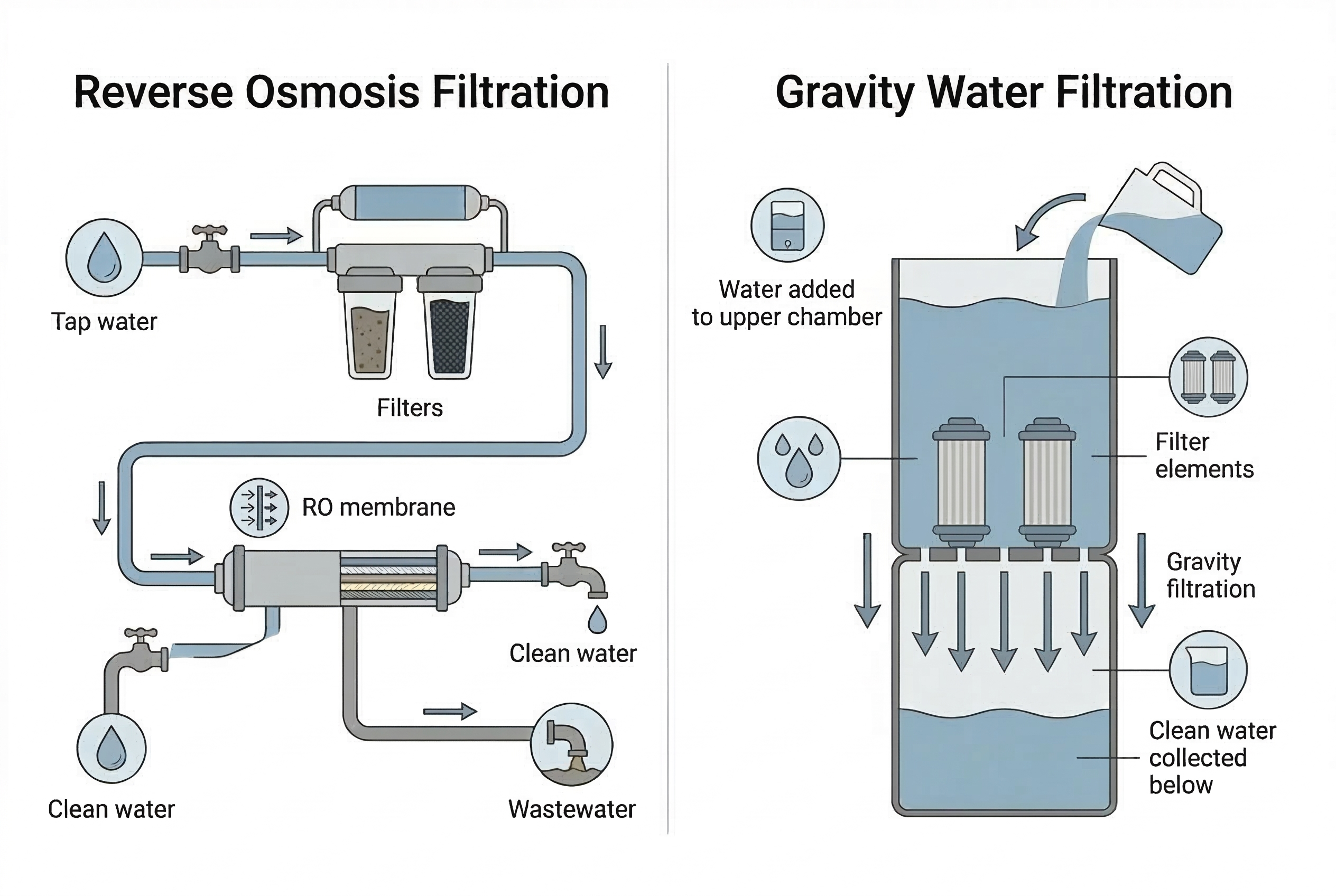
Umkehrosmose- und Schwerkraft-Wasserfilter verbessern beide die Trinkwasserqualität, funktionieren jedoch auf sehr unterschiedliche Weise. Erfahren Sie, wie jedes System arbeitet, welche Verunreini...
Nestlé Waters wegen Mineralwasserbehandlungspraktiken mit Geldstrafe belegt Nestlé Waters, die Mineralwassersparte des Schweizer Konzerns Nestlé, hat sich nach Untersuchungen seiner Mineralwassera...