


Nitrates et méthémoglobinémie : quels risques pour l’eau du robinet ? Comprenez le lien entre ces deux éléments et ce que cela signifie pour votre eau au quotidien.
Your Cart
(0 products)
Your cart is empty
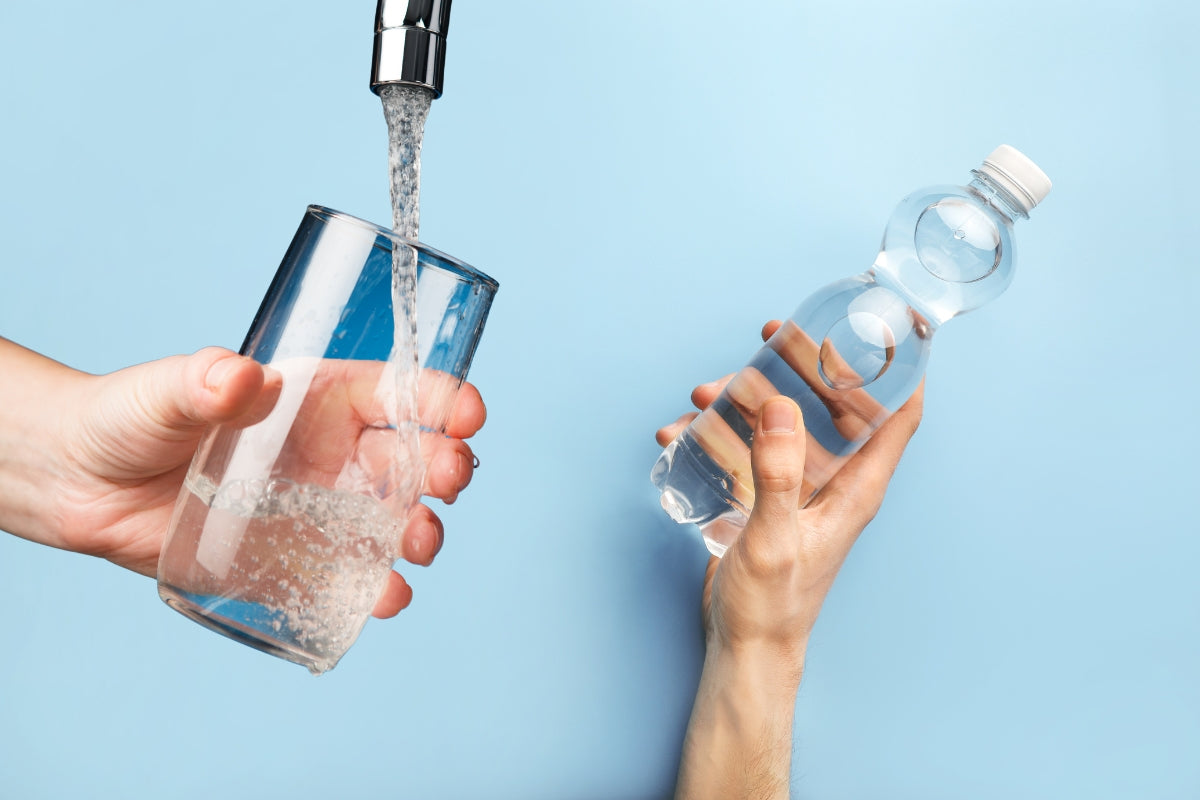
Every day in France, a simple but essential question concerns many people: is it better to drink tap water or bottled water? Between health concerns, environmental impact and financial considerations, the choice is more complex than it first appears.
Tap water, subject to strict checks by health authorities and available directly through household pipes, is both an ecological and economical option. Yet it can sometimes raise doubts because of its chlorine taste or the possible presence of substances such as lead.
On the other hand, bottled water, whether spring or mineral water, stands out for its purity and mineral composition, but at what cost? Between microplastics, accumulating plastic waste and variations in quality, the health risks and environmental impact are far from negligible.
In this article, we offer a brief study of the advantages and disadvantages. You will finally know which option to choose for safe and responsible daily use.
It is time to understand the differences in origin, mineral composition and treatment processes. These characteristics naturally influence the quality of the water you drink, but also its impact on both health and the environment.
Running water in France mainly comes from underground sources such as groundwater reserves or from surface watercourses (rivers and lakes). This water is filtered through the soil and contains mineral salts: calcium, magnesium and bicarbonates. However, composition varies considerably from one region to another.
As for bottled water, there are two categories.
| Type of Water | Origin | Mineral Composition | Mineral Content |
| Tap Water | Underground sources (groundwater), rivers, lakes | Varies by region and may contain calcium, magnesium, sodium, potassium, bicarbonates and sulphates | Low to moderate, generally below 500 mg/L |
| Natural Mineral Water | Protected and defined underground sources | Stable and unique composition, rich in specific minerals (for example calcium, magnesium) | Can range from 50 mg/L to over 1,500 mg/L depending on the water |
| Spring Water | Underground sources | Composition similar to tap water but without chemical treatment | Low to moderate, under 500 mg/L, variable composition |
| Filtered Water (jug filter or gravity filter) | Tap water filtered at home | Reduced impurities, chlorine and certain heavy metals | Mineral content generally reduced after filtration |
| Standard Bottled Water | Various sources, often blended | Composition similar to spring water or filtered tap water | Variable, often below 500 mg/L |
Tap water undergoes a strict treatment process involving filtration and chlorination. It is made drinkable through ultraviolet treatment so that bacteria, viruses, pesticides, pollutants and heavy metals are reduced. It is governed by strict health standards and monitored by ANSES.
Natural mineral waters must be bottled directly at source without chemical treatment. Spring waters undergo limited treatment to meet quality standards. Controls include regular analysis for contaminants. Following an alert, Nestlé destroyed 2 million bottles of Perrier that contained faecal contamination.
Natural mineral water is recognised for its richness in mineral salts, which play an important role in maintaining good health. By contrast, the composition of tap water varies from region to region. Levels may be lower than those found in bottled mineral water.
Tap water may contain traces of lead from old pipework. There is also chlorine used for disinfection and other chemical substances. It is subject to strict standards and checked regularly, but no system is infallible.

Despite precautions, in the Vercors last January, around twenty teenagers were poisoned in an accommodation centre because of tap water.
As for bottled water, it may contain microplastics and other contaminants linked to packaging.
Tap water is by far the most economical option. One litre costs around €0.003 on average, compared with €0.50 for one litre of bottled water. Over a year, the difference can be considerable. Imagine consuming around 1.5 litres per day.
This cost difference is explained by production, packaging and distribution expenses. Tap water is also much more accessible. Available 24 hours a day, it requires no shopping or transport. Bottled water creates logistical constraints: regular purchases, carrying it home and storage space.
These factors make bottled water less practical for everyday life, especially for families or people living in small flats.
Carbon footprint and plastic waste management are important considerations. Tap water has a clear advantage because it creates no packaging waste. You significantly reduce the use of plastics that pollute the oceans.
By contrast, bottled water is linked to large-scale plastic production. Even if recycling is encouraged in many French towns and cities, a large share still ends up in the environment. This inevitably contributes to pollution and higher CO2 emissions linked to production and transport.
A filter jug can filter tap water and reduce contaminants, but the cartridges need changing regularly, creating waste. Reusable glass bottles reduce plastic use. However, they are heavier and more fragile, making transport less convenient.

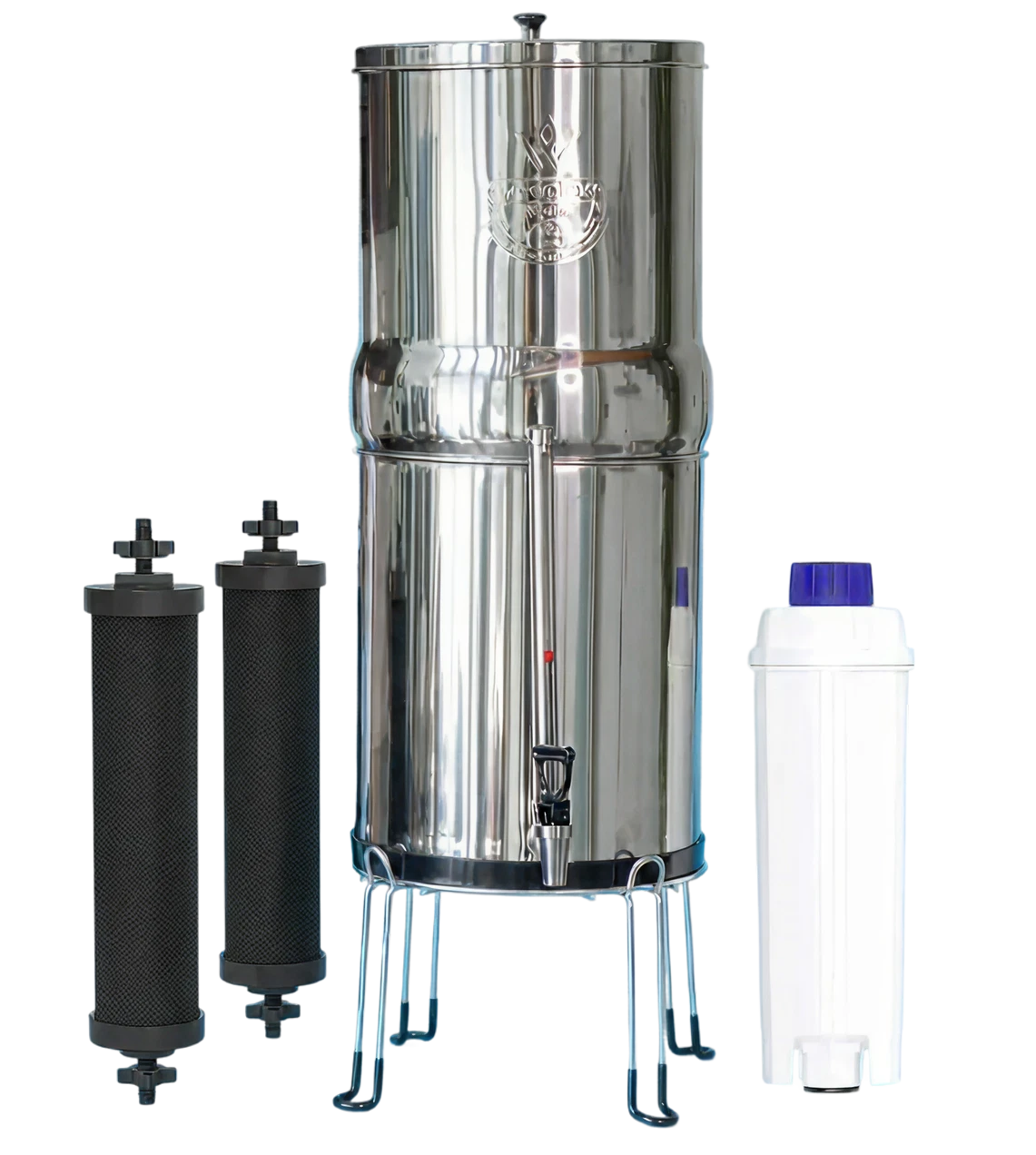
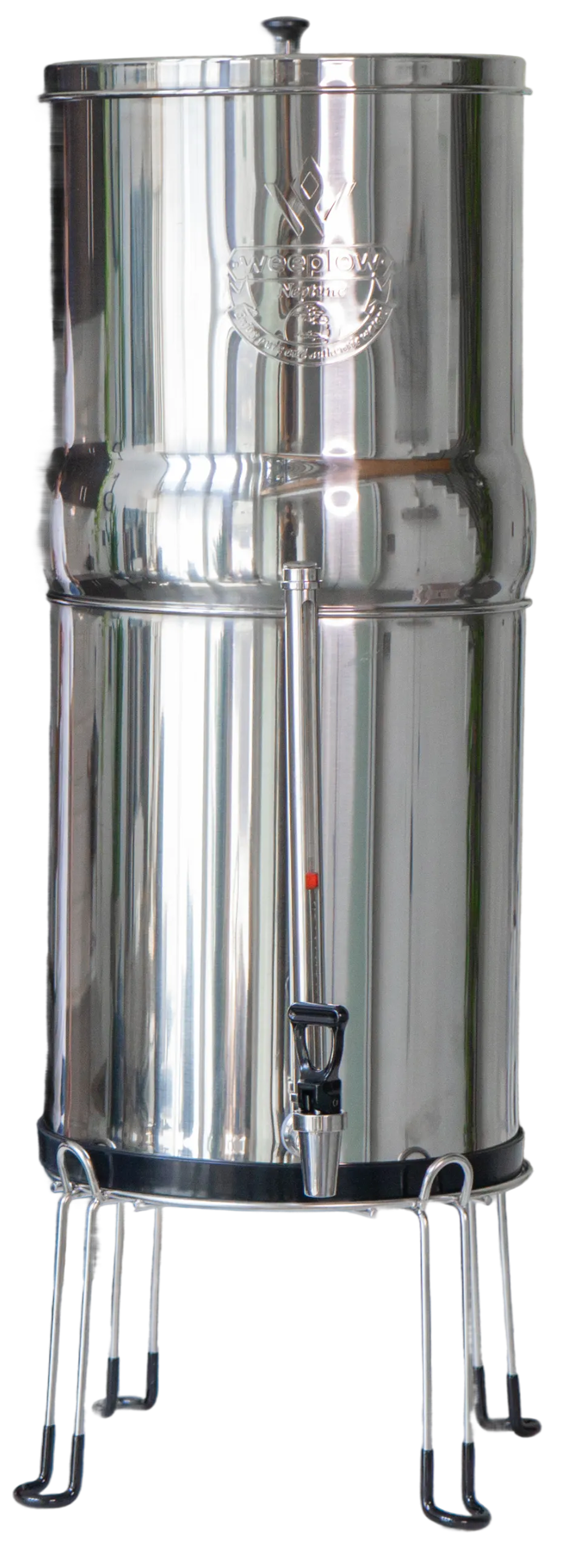
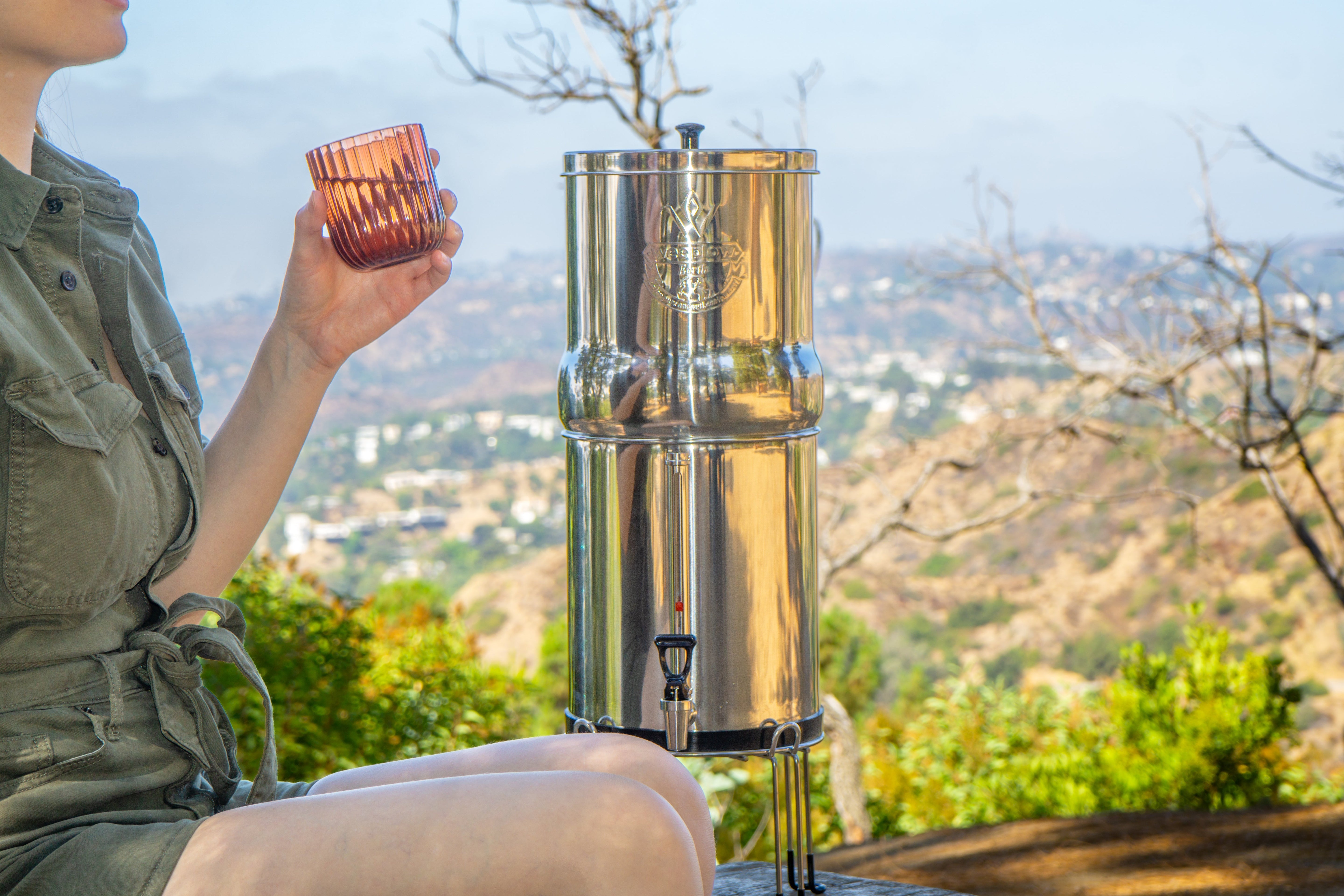
At Weeplow, we offer a gravity filter combined with activated carbon. It reduces up to 99% of contaminants and does not require electricity. It is easy to transport and allows you to use tap water, river water or lake water without the usual drawbacks.
A few criteria should help you decide.
| Criteria | Tap Water | Bottled Water |
| Quality and Safety | Subject to strict controls and meets drinking water standards. May contain chlorine or lead. | Stable mineral composition, especially natural mineral waters. May contain microplastics. |
| Health Concerns | Taste may be affected by chlorine, with possible local contaminants. Intermediate solution: gravity filter. | Check the label for mineral content and bottling date. |
| Cost | Very economical, around €0.003 per litre. | More expensive, around €0.50 per litre. |
| Environmental Impact | Low carbon footprint, little waste. | Creates plastic waste, low recycling rates. |
| Taste Preferences | Taste and composition may vary, but it is accessible and practical. | Purity and consistency of mineral waters, but limited by brand choice. |
In terms of cost, safety and environmental impact, tap water is clearly the better option overall. However, after severe weather, it may be affected by contaminants.
For this reason, the most practical solution we recommend is using an activated carbon filter. It removes unpleasant taste and helps reduce contaminants, including heavy metals and pesticides, while remaining affordable. In addition, you keep the beneficial minerals naturally present in tap water.
Nitrates et méthémoglobinémie : quels risques pour l’eau du robinet ? Comprenez le lien entre ces deux éléments et ce que cela signifie pour votre eau au quotidien.
Researchers are increasingly studying the possible effects of chronic exposure to nitrates in drinking water. Here is what current research actually says about the potential risks associated with l...
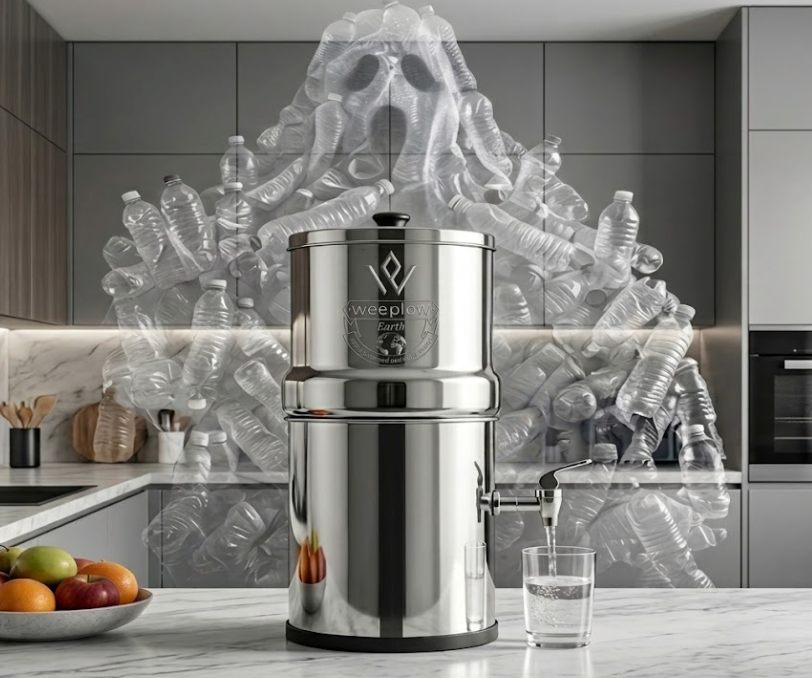
Introduction Each year, a French household spends hundreds of euros on bottled water. It is carried home from the supermarket, stored in the kitchen, reassured by the image of mountains on ...
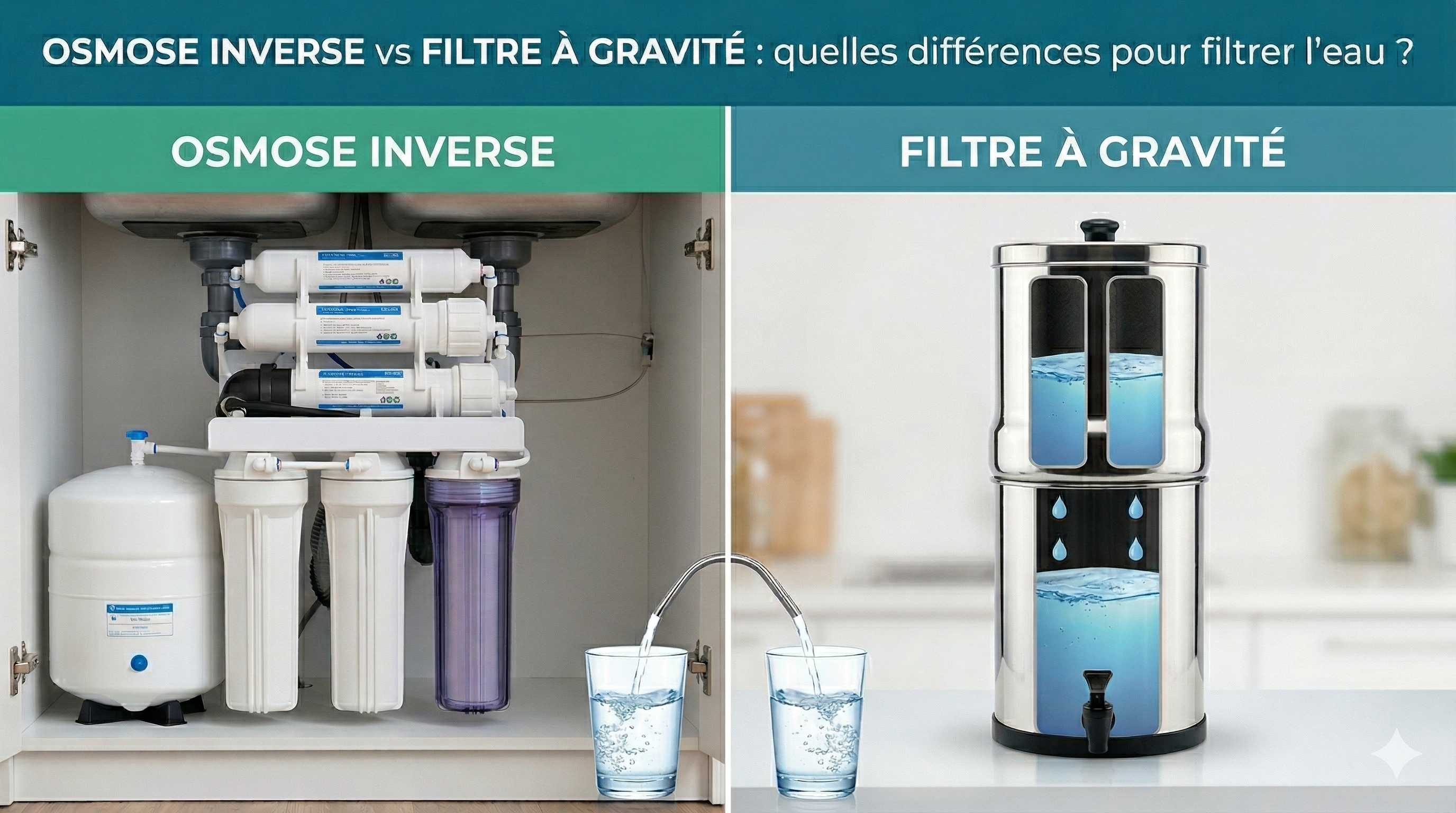
Reverse osmosis or a gravity filter: what are the differences when filtering drinking water? Discover how these two technologies work, along with their advantages and limitations for reducing conta...
Tap water is often treated to make it drinkable, but it can still contain traces of pollutants. These may include chlorine, pesticides, nitrates and pharmaceutical residues. These substances can ca...