



Nitrates et méthémoglobinémie : quels risques pour l’eau du robinet ? Comprenez le lien entre ces deux éléments et ce que cela signifie pour votre eau au quotidien.
Your Cart
(0 products)
Your cart is empty

You have been walking for hours, surrounded by dense vegetation. Your steps grow heavier, the sun is strong, and you are in a time of crisis. Your bottle is nearly empty, so you urgently need to find water.
Knowing where to search and how to make water safe to drink can change the course of your survival during a crisis. However, caution is essential, because contaminated water can quickly make you ill.

Nature often gives clues: bright green leaves, vines holding moisture, or unusually lush vegetation. These can indicate the presence of water nearby. Areas with dense plant growth, especially shaded woodland, often suggest access to moisture or a water source.
Flowing water such as streams is generally more reliable than stagnant pools. Constant movement reduces the build-up of harmful micro-organisms. Still water should always raise caution. Even a clear pond may hide invisible risks.
Wildlife can also guide you. Birds flying repeatedly towards one area often signal nearby water. Muddy tracks, clusters of insects, or thick moss on shaded rocks may seem minor details, but they can be valuable signs when searching for drinkable water.
Before an expedition, or to prepare for emergencies, careful study of topographic maps is highly valuable. Contour lines, valleys and ravines reveal the natural routes water tends to follow. Water sources are often found in lower ground.
Walking and hiking apps sometimes list water points reported by other users. Some also include updated satellite data, which can be helpful in unfamiliar areas. Traditional maps remain an excellent reference for planning safer routes and identifying alternatives.
Observation requires patience. Persistence often makes the difference.
Drinking directly from a natural source can be tempting. Yet even clear-looking water may contain harmful impurities. Basic filtration can help remove visible particles such as sand, plant debris and insects.
This improves clarity, but does not automatically make water safe to drink.

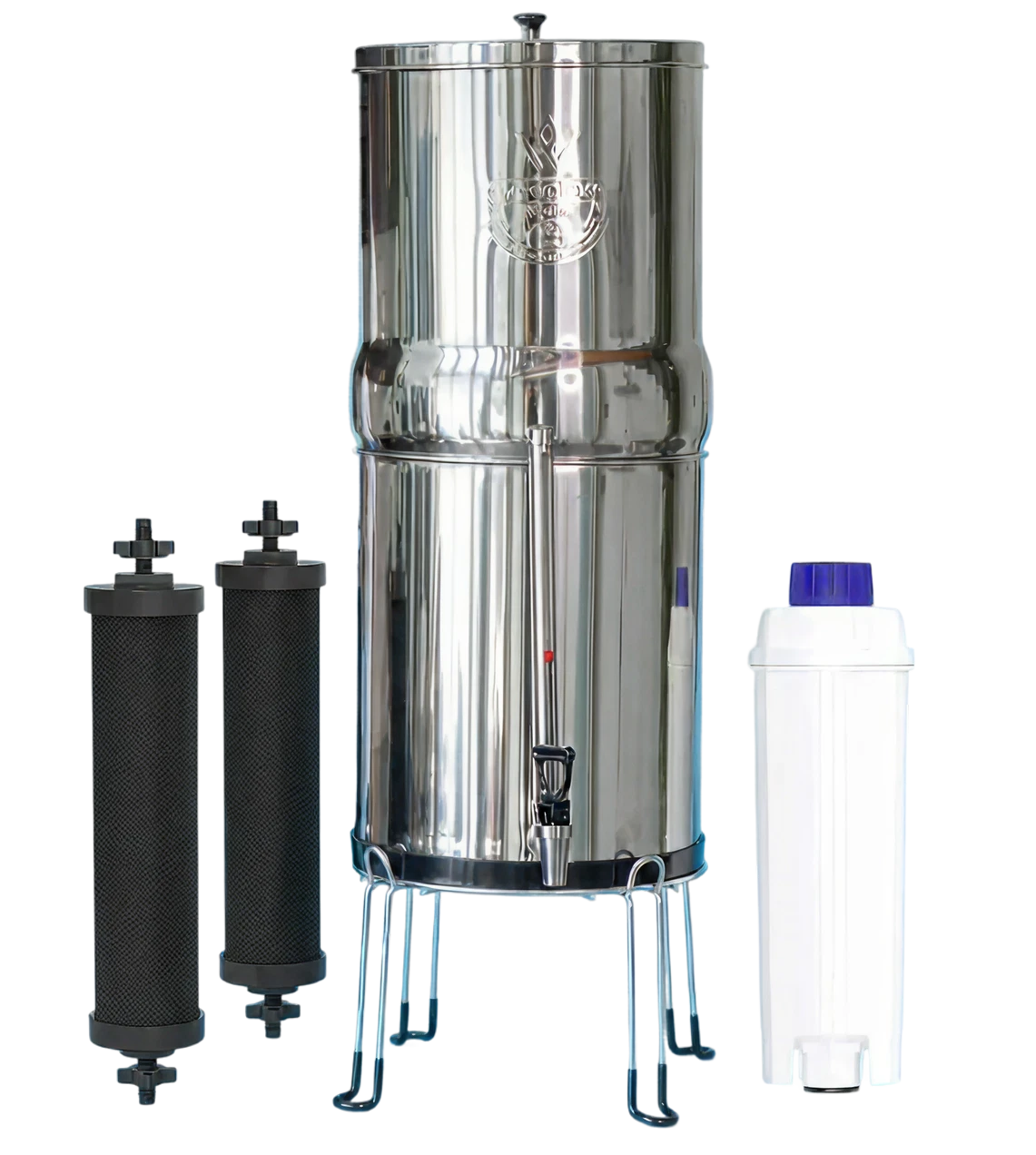
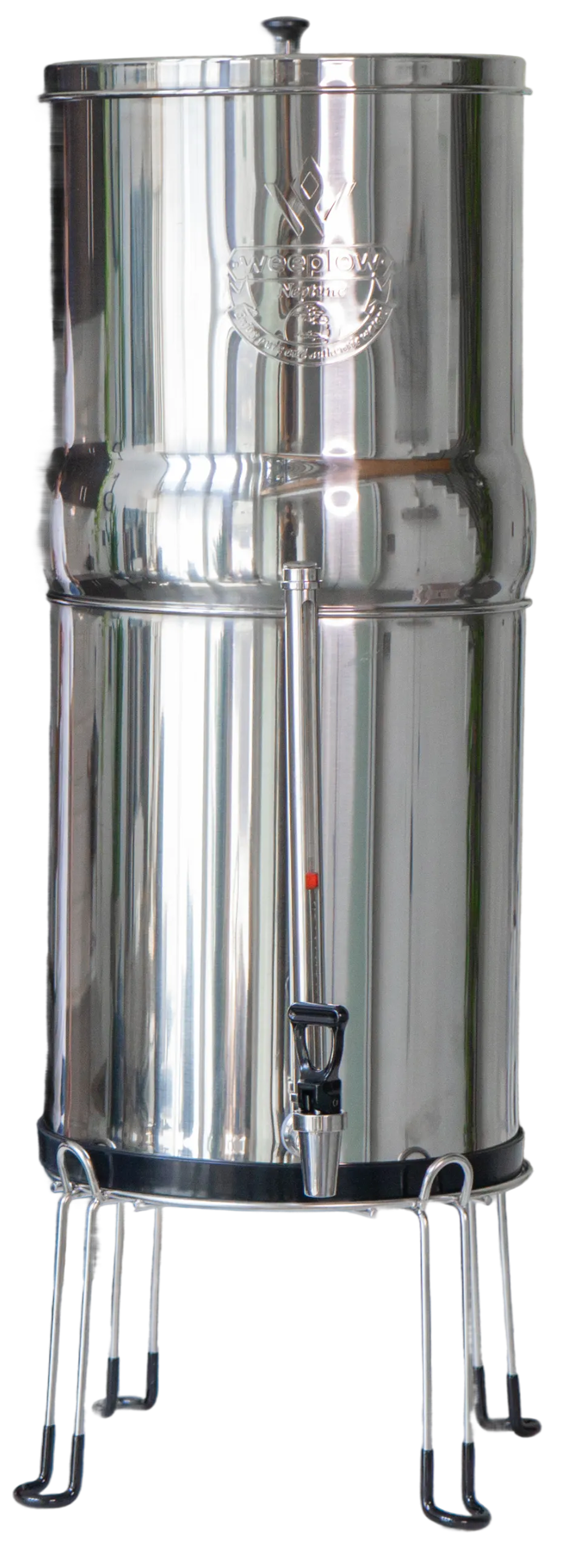
We offer a gravity water filter using activated carbon technology. It helps reduce many contaminants including bacteria, viruses and heavy metals. In seconds, you can obtain cleaner water ready for use. Weeplow filters are portable, require no electricity and can be practical during emergencies.
Alternatively, you can improvise a filter using natural materials, though results are uncertain. Fine sand, cooled charcoal or clean cloth can help as a temporary measure. This is basic and imperfect, but may be useful in urgent situations. For dependable protection, a portable filter remains the safer option.
If you use a high-quality gravity filter, many contaminants may already be reduced. However, if you rely on improvised filtration, a second purification step is strongly recommended. Visible dirt is only part of the problem. Dangerous pathogens cannot be seen with the naked eye.
Bringing water to a rolling boil for around three minutes can eliminate most harmful micro-organisms. At higher altitude, allow longer due to lower boiling temperatures. This method needs fuel, a heatproof container and supervision, but it remains one of the most reliable.
Chlorine or chlorine dioxide tablets are effective against many bacteria and viruses. The taste may not appeal to everyone, but they are compact and excellent for emergency kits.
UV devices use light to neutralise many microbes. Stir the light wand in a container and water may be ready within a minute. These systems need batteries and work best when water has already been filtered, as light cannot pass through cloudy particles.
These methods are useful, but no single solution is perfect in every situation. A quality gravity filter with activated carbon often offers one of the most practical balances. It can be used with stream water, river water and rainwater.
Untreated water can expose you to serious illness. Amoebiasis, giardiasis and E. coli infections may cause abdominal pain, fever, vomiting and acute diarrhoea. In severe cases, dehydration itself can become life-threatening.
Warning signs include strange odours, unusual colour, or an oily surface. Yet even without obvious signs, risks may still be present. This is why all collected natural water should be treated whenever possible.
Risk does not stop at what you can see. Warmer stagnant water often encourages bacterial growth. Drinking without precautions can be dangerous, especially in a crisis when help may be unavailable.
Always favour moving water, stay away from agricultural or industrial areas, and keep distance from animal camps or grazing zones. In a hostile environment, water is essential — but you must learn to read nature, plan ahead and purify what you collect.
With a Weeplow water filter, you can hydrate more confidently using the water sources you find.
Nitrates et méthémoglobinémie : quels risques pour l’eau du robinet ? Comprenez le lien entre ces deux éléments et ce que cela signifie pour votre eau au quotidien.
Researchers are increasingly studying the possible effects of chronic exposure to nitrates in drinking water. Here is what current research actually says about the potential risks associated with l...
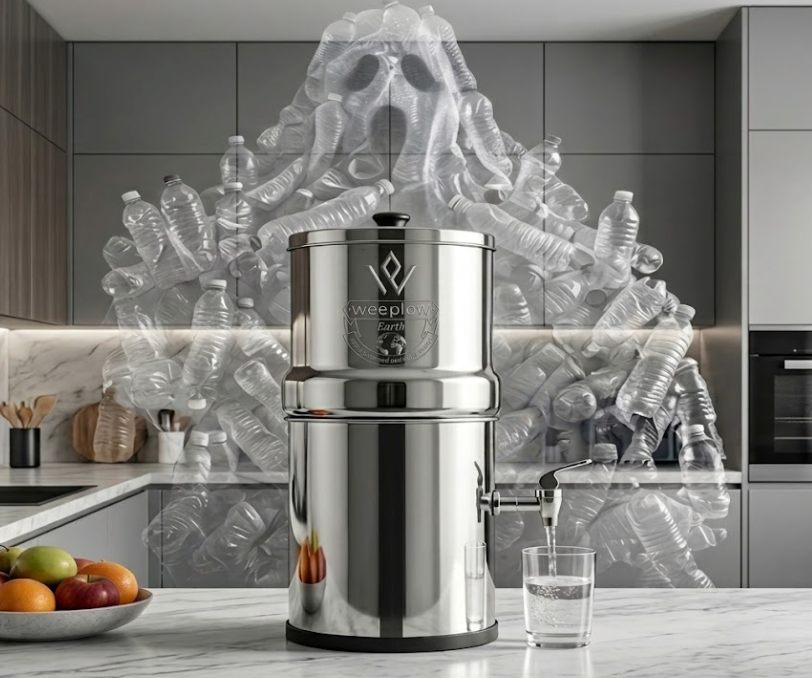
Introduction Each year, a French household spends hundreds of euros on bottled water. It is carried home from the supermarket, stored in the kitchen, reassured by the image of mountains on ...
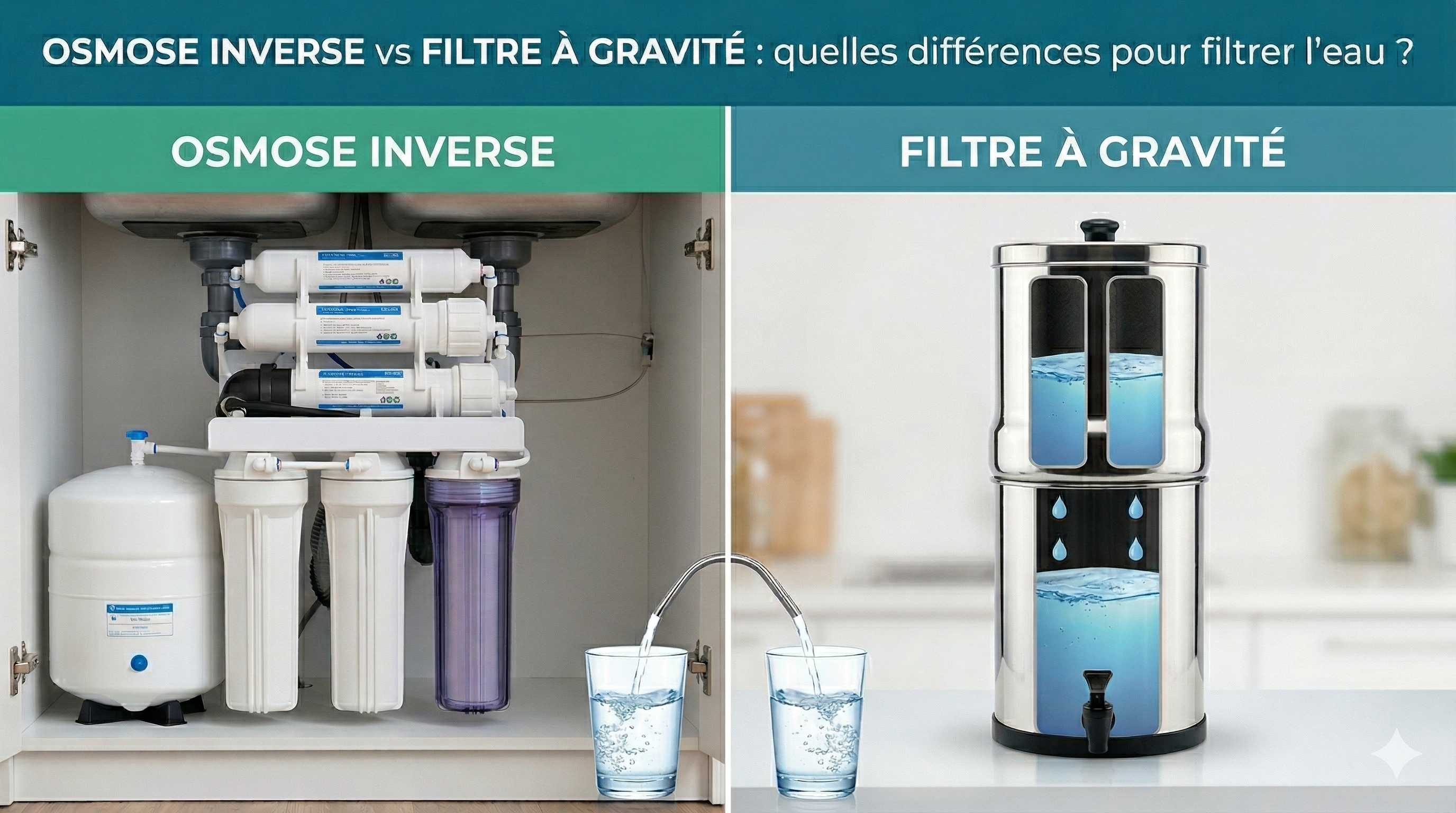
Reverse osmosis or a gravity filter: what are the differences when filtering drinking water? Discover how these two technologies work, along with their advantages and limitations for reducing conta...
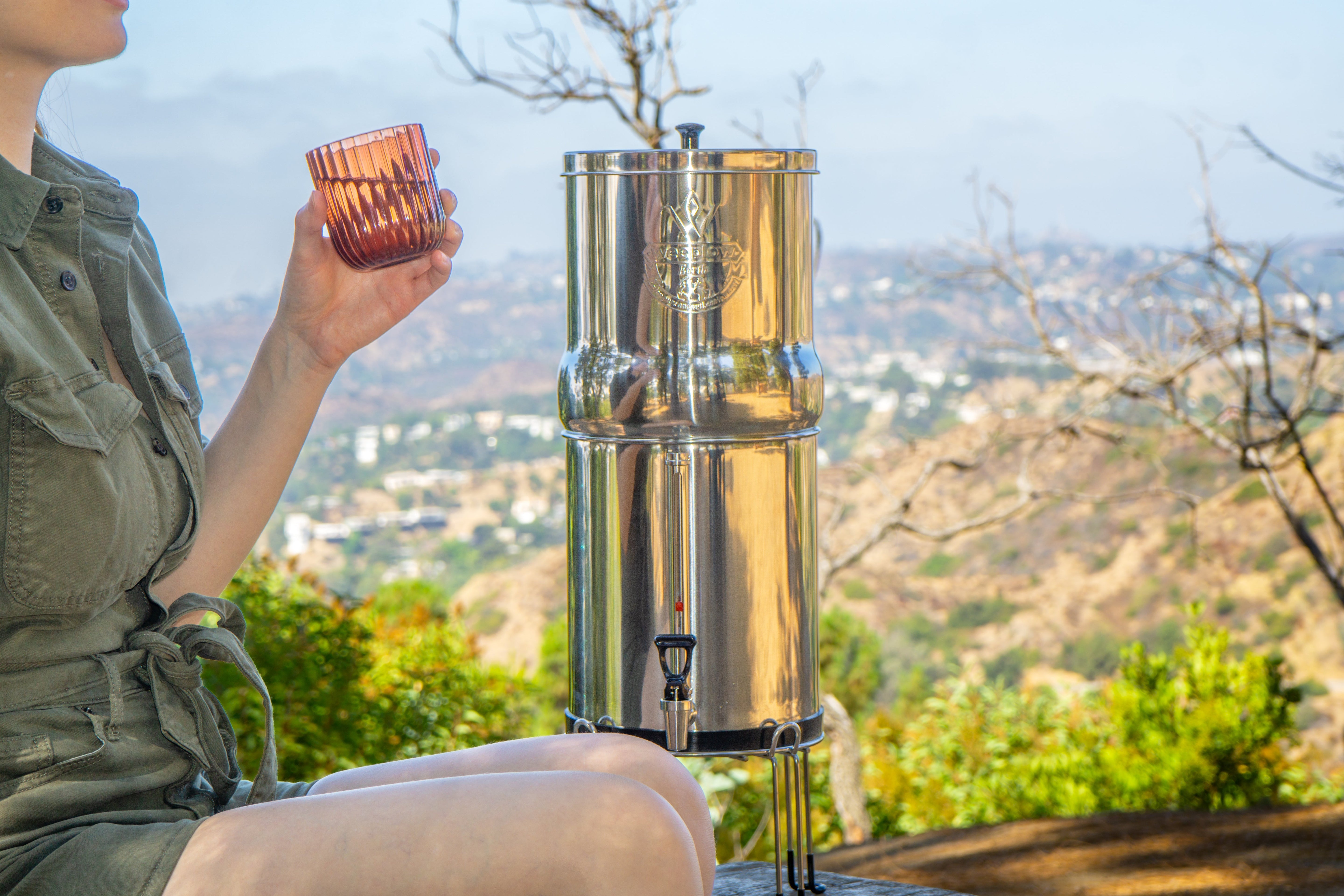
Tap water is often treated to make it drinkable, but it can still contain traces of pollutants. These may include chlorine, pesticides, nitrates and pharmaceutical residues. These substances can ca...