



“Blue baby syndrome” is one of the key reasons nitrate levels in drinking water are regulated. Here’s how it works—and why it still matters today.
Your Cart
(0 products)
Your cart is empty

Communities across Brixham and parts of South Devon faced a deeply disruptive period in 2024 after contamination concerns led to widespread boil-water notices and severe pressure on local drinking water supplies. Thousands of residents were advised not to drink tap water without boiling it first following the detection of cryptosporidium in the network.
The incident quickly raised broader concerns about the resilience of ageing water infrastructure and the ability of water companies to respond rapidly during contamination events. While emergency measures were introduced, many households were forced to rely on bottled water distribution points for basic daily needs.
As investigations continued, public frustration intensified. The crisis also attracted national media attention, with growing scrutiny directed at water companies, infrastructure investment and long-term network maintenance across the UK.
A closer look at the Brixham contamination incident highlighted growing concerns surrounding ageing water infrastructure and maintenance pressures in parts of the UK. While investigations into the exact source continued, reports suggested vulnerabilities within the local water network may have contributed to the contamination event.
According to reporting from the BBC, thousands of households were affected by the boil-water notice, disrupting schools, businesses and tourism across the region. The incident reignited wider debate around infrastructure investment and leakage management.
The contamination involved cryptosporidium, a microscopic parasite capable of causing gastrointestinal illness. Symptoms can include diarrhoea, stomach pain, dehydration and nausea, particularly among vulnerable individuals.
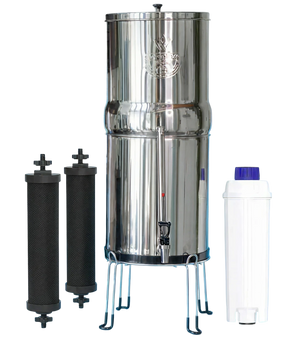
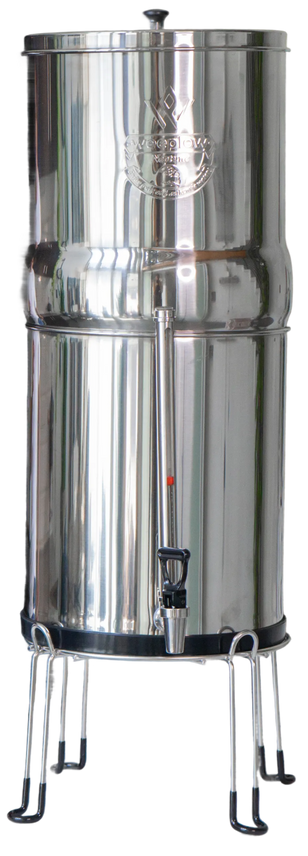
Incidents like this also raise wider questions about drinking water resilience and emergency preparedness. To reduce certain contaminants and improve everyday water quality, some households choose to use gravity filtration systems combined with activated carbon filters.
Public health authorities worked to monitor the situation closely while water quality testing continued across the affected region.

Concerns surrounding water quality incidents have also contributed to wider discussions about contamination risks, infrastructure resilience and public trust in utility providers.
Common concerns during contamination incidents:
| Issue | Potential Impact | Household Consequence |
|---|---|---|
| Microbial contamination | Digestive illness | Boil-water notices |
| Pipework vulnerabilities | Supply disruption | Reduced water access |
| Infrastructure ageing | Increased maintenance pressure | Public concern and uncertainty |
The disruption affected daily life across the region, with residents reporting difficulties accessing safe drinking water and maintaining normal household routines. Public frustration grew rapidly as the situation developed.
Thousands of households across South Devon were affected during the contamination incident. As bottled water stations were established and boil-water guidance remained in place, many residents faced uncertainty regarding how long the disruption would continue.
According to reporting from The Guardian, some residents described the situation as chaotic, with long queues forming for bottled water supplies during the peak of the crisis.

The Brixham incident intensified scrutiny surrounding water infrastructure, contamination preparedness and public communication across the UK water sector. Questions were raised regarding response times, network resilience and long-term investment strategies.
Authorities and water providers introduced a series of emergency measures during the crisis:
Despite these efforts, the incident reinforced broader concerns regarding ageing infrastructure and the increasing pressure facing water systems during contamination events and periods of environmental stress.
Take greater control of your water quality at home. Explore Weeplow gravity filtration systems.
“Blue baby syndrome” is one of the key reasons nitrate levels in drinking water are regulated. Here’s how it works—and why it still matters today.

Research into nitrates and cancer is still evolving, but scientists are paying closer attention to what long-term exposure in drinking water could mean for health over time. Here’s what current res...

Boil water notices can feel unexpected, but they’re a normal part of how water quality is managed. This guide explains what they mean, why they happen, and exactly what to do at home—so you can han...
A viral video shared on X (formerly Twitter) has attracted millions of views. In the clip, a man attempts to prove that bottled mineral water is heavily contaminated by using an electrolysis device...
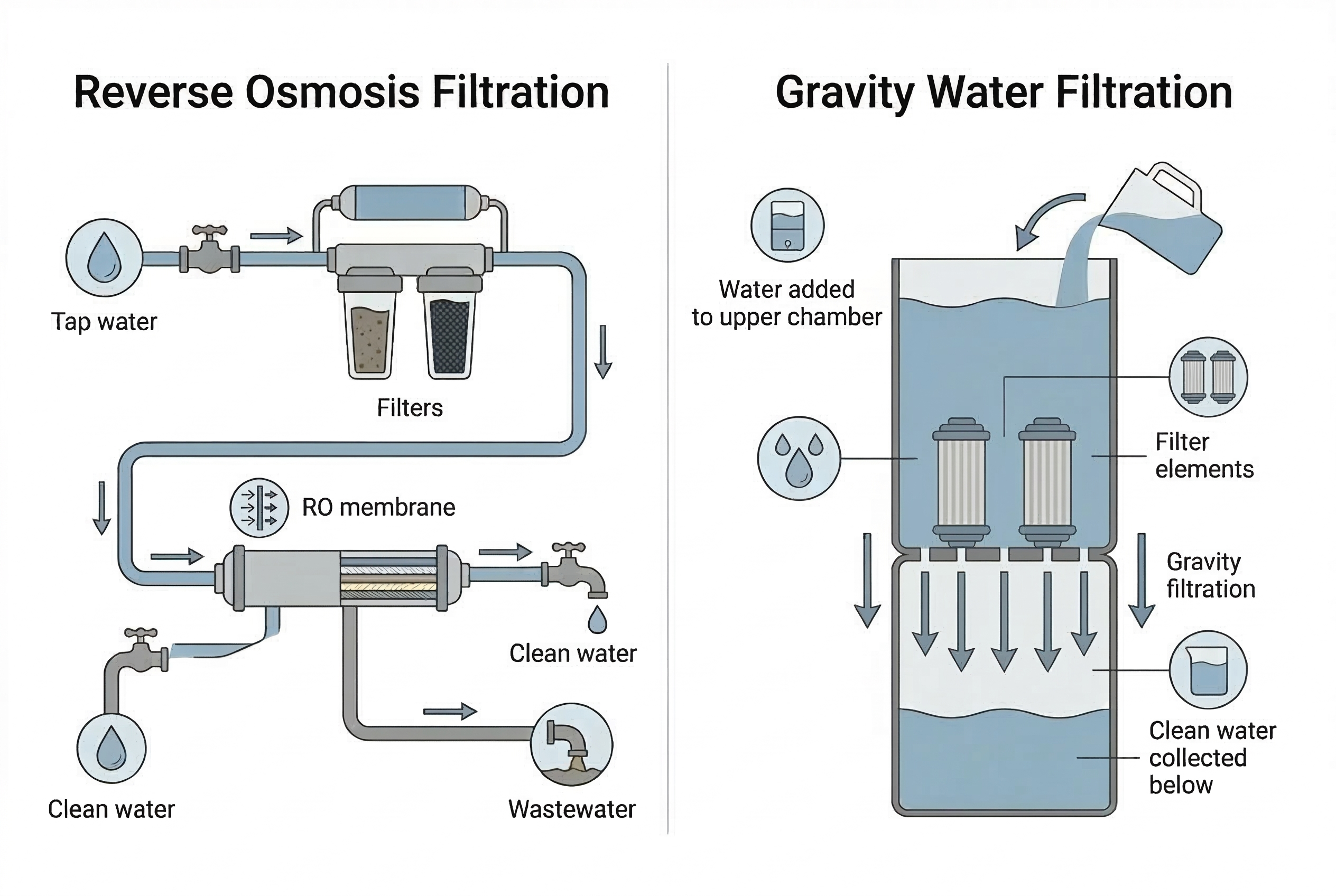
Reverse osmosis and gravity water filters both improve drinking water quality, but they work in very different ways. Learn how each system works, what contaminants they remove, and which option may...