


Nitrate und Methämoglobinämie: Welche Risiken bestehen für Leitungswasser? Verstehen Sie die Verbindung zwischen diesen beiden Elementen und was das für Ihr tägliches Wasser bedeutet.
Your Cart
(0 products)
Your cart is empty
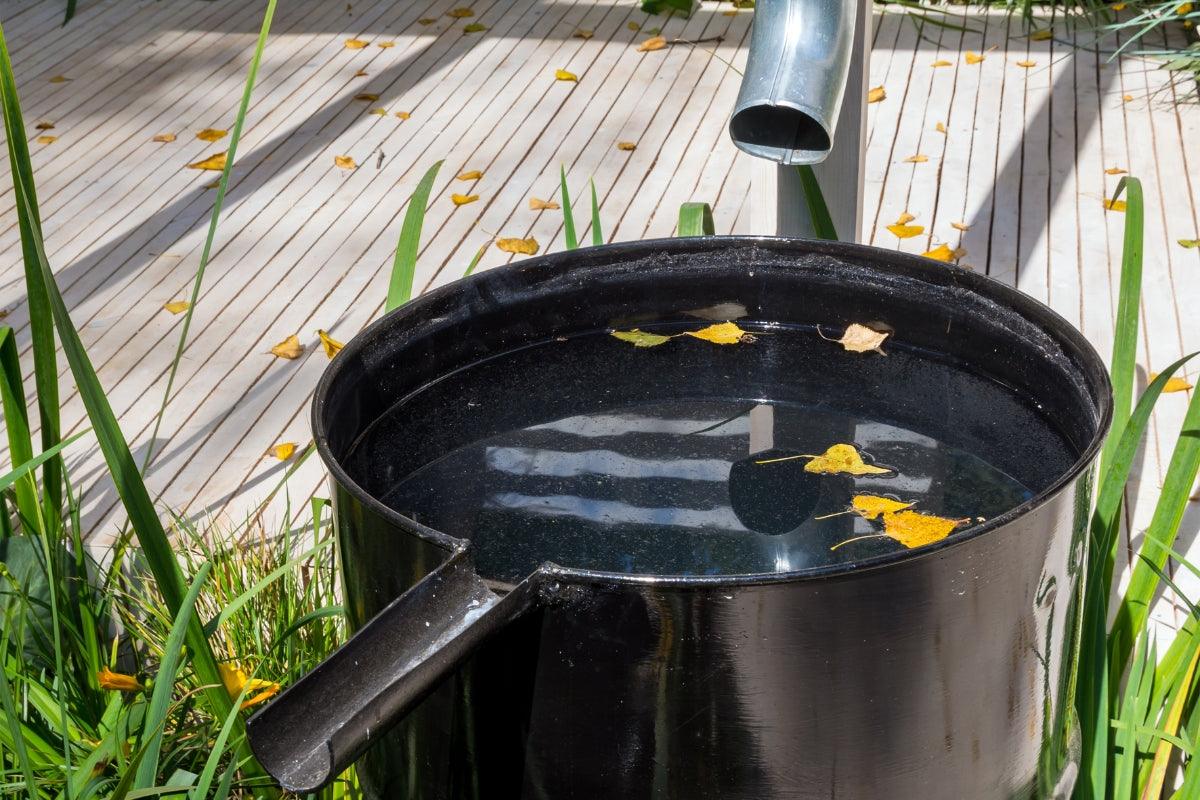
At a time when preserving resources has become a priority, one solution is making increasing sense: harvesting rainwater. This method was long seen as a marginal alternative, but it is now gaining popularity thanks to its economic and environmental benefits.
With rising drinking water prices, recurring droughts, the threat of a third world war and tap water contamination cases, installing a rainwater collection system is becoming a practical response to current climate and geopolitical realities.
You benefit from a secondary system that is independent from the mains drinking water supply. Rain falls onto the roof, passes through primary filtration, then is stored in a sealed tank. It is then ready for non-drinking uses.
What do you need to collect rainwater?
This type of setup helps maintain the quality of collected water and protects your domestic system. An automatic switchover device can then take over if the tank runs empty.

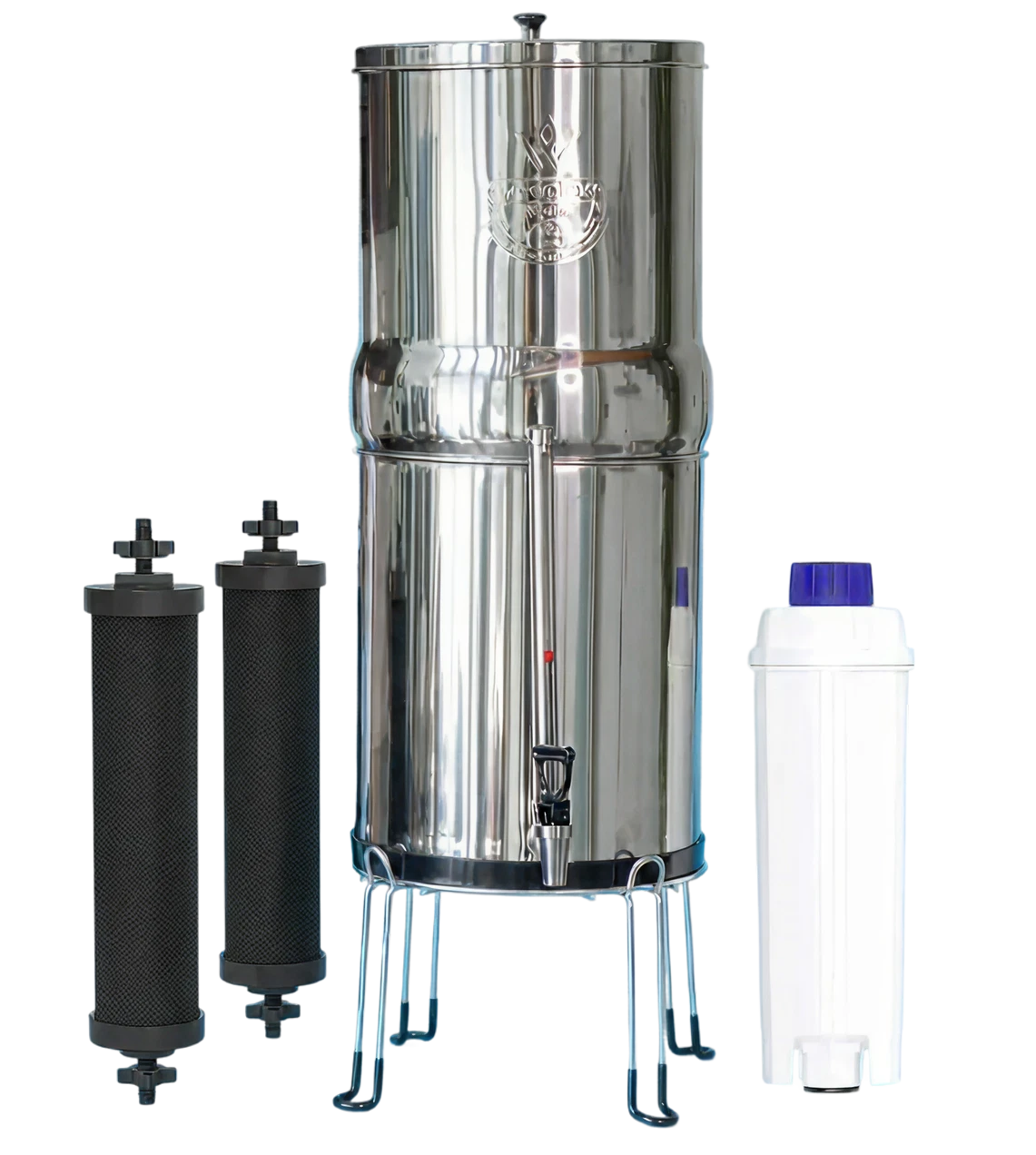
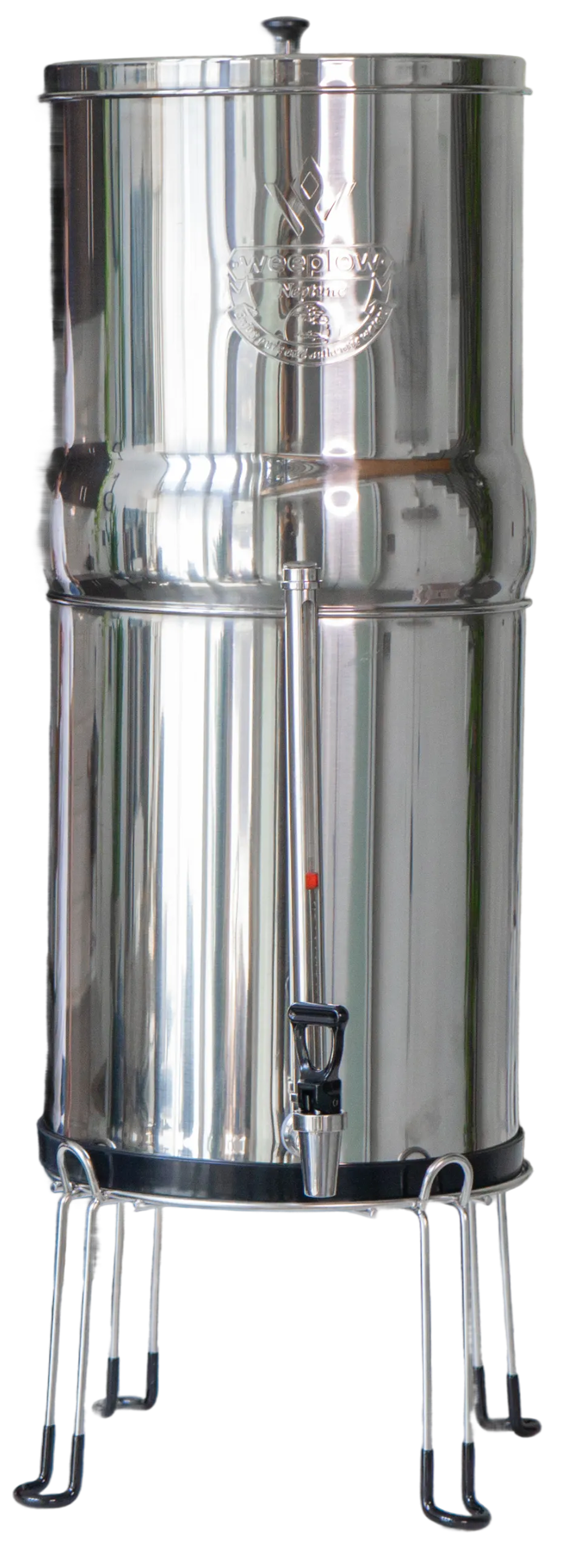
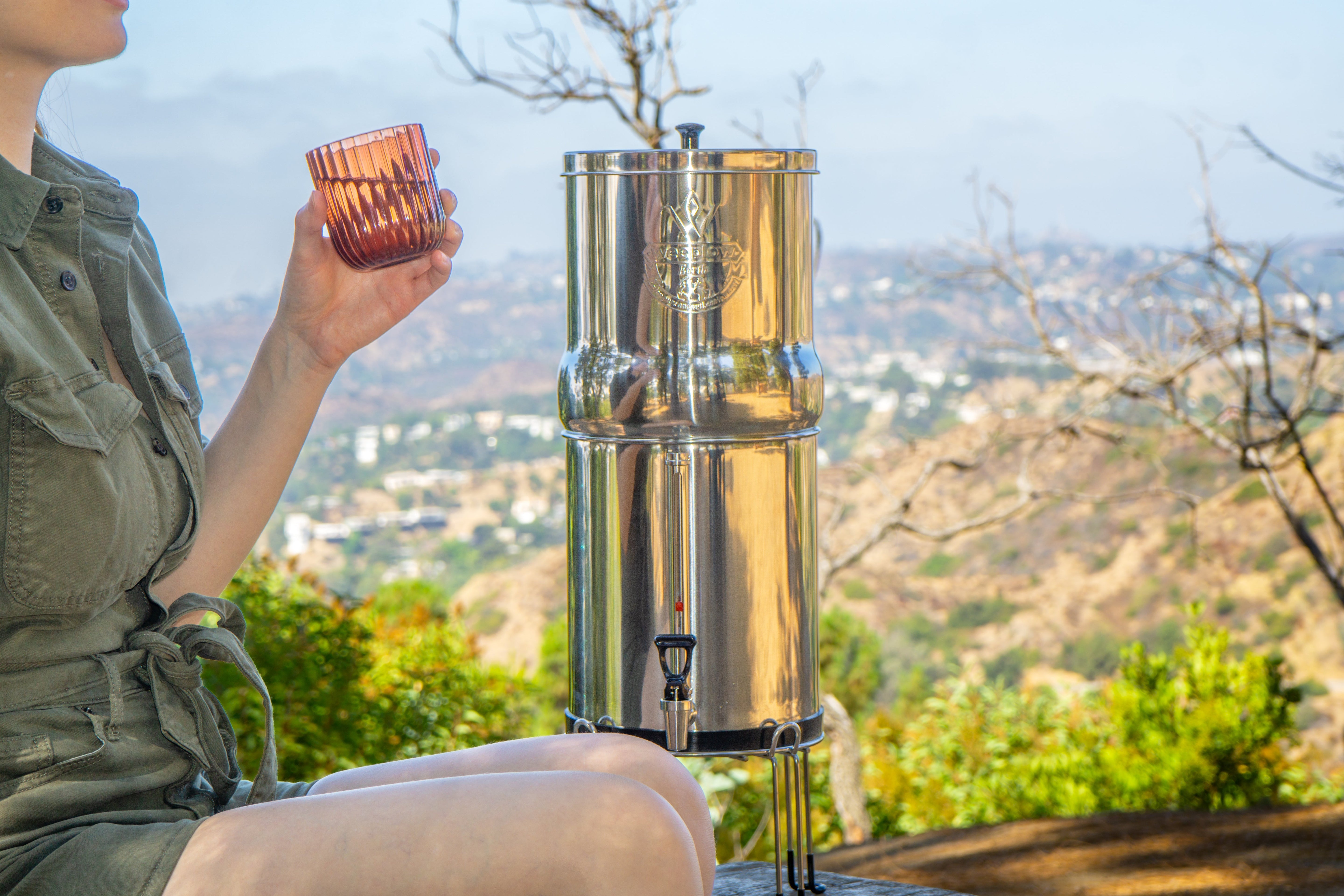
This is entirely possible, but only if you choose a suitable and effective system. The gravity water filter uses activated carbon to remove up to 99.99% of contaminants. It helps eliminate pesticides, viruses and PFAS, giving you cleaner water suitable for consumption.
Rainwater is not drinkable in its raw state, even if it looks clear. It may contain bacteria, airborne pollutants, heavy metals depending on the roof material, and organic debris. With Weeplow, you can drink rainwater because the filter removes these contaminants.
We recommend pre-filtering rainwater to remove leaves, sand and sediment, storing it in a clean, sealed tank, and then filtering it using the Weeplow system.
With a gravity water filter, rainwater can be safe to drink, but a poorly maintained tank can quickly become a breeding ground for bacteria and algae, and unpleasant odours may develop. Plan to clean the tank once a year, disinfect it using appropriate products, replace the filter cartridges and regularly check the pre-filter and pipework.
Regular maintenance extends the lifespan of your system and ensures consistent water quality. Annual costs are relatively low, around €30.
Consider the roof surface area, number of occupants, local rainfall and intended uses. For watering, a simple outdoor tank is sufficient. However, for indoor use such as toilets, washing machines or even the kitchen, you will need a larger underground tank. Two materials currently dominate the market.
Installing the tank underground helps save space in your garden, although it increases installation costs. For above-ground solutions, aesthetically pleasing models are available that blend easily into outdoor spaces, including decorative jars or slimline columns.
Even in uncertain times, this type of investment can quickly pay for itself, especially if drinking water becomes more limited. The budget depends on the type of tank, its capacity and the complexity of the installation. A simple above-ground system for watering can start from just a few dozen euros.

By contrast, a 6,000-litre underground system for a family of four can cost up to €6,000 including installation. This price includes the tank, filtration systems, pipework, pump, safety equipment and labour. You should also factor in the cost of the gravity water filter, which has a lifespan of around two years. As it operates without electricity, it does not increase your energy costs.
The return on investment is measured over the medium term. According to Aster, such a system can save around €151 per year, equivalent to 65 m³ of drinking water.
For homes over two years old, an intermediate VAT rate of 10% applies to both equipment and installation. Some local authorities and organisations such as Anah may offer grants to support this type of project.
It is advisable to check what support is available in your area before starting any work. Some councils also offer discounted rainwater collection systems for above-ground use.
In France, rainwater harvesting is subject to strict rules. Water collected from asbestos-cement or lead roofs must not be used indoors. It can, however, be used indoors for cleaning floors, flushing toilets or running a washing machine.
Without a gravity water filter, it is not possible to use rainwater for showers, cooking or dishwashers. Any discharge of rainwater into the public sewer system may require a declaration to the local council, including an estimate of volumes released. It is important to check local regulations before installing a system.
Rainwater harvesting is a forward-looking solution. It offers a practical response to resource scarcity, especially in times of crisis. It also reduces your environmental footprint while increasing independence. Given the current geopolitical context and available technologies, investing in such a system is increasingly sensible. Financial support is available, the benefits are clear and the equipment is reliable.
Nitrate und Methämoglobinämie: Welche Risiken bestehen für Leitungswasser? Verstehen Sie die Verbindung zwischen diesen beiden Elementen und was das für Ihr tägliches Wasser bedeutet.
Researchers are increasingly studying the possible effects of chronic exposure to nitrates in drinking water. Here is what current research actually says about the potential risks associated with l...
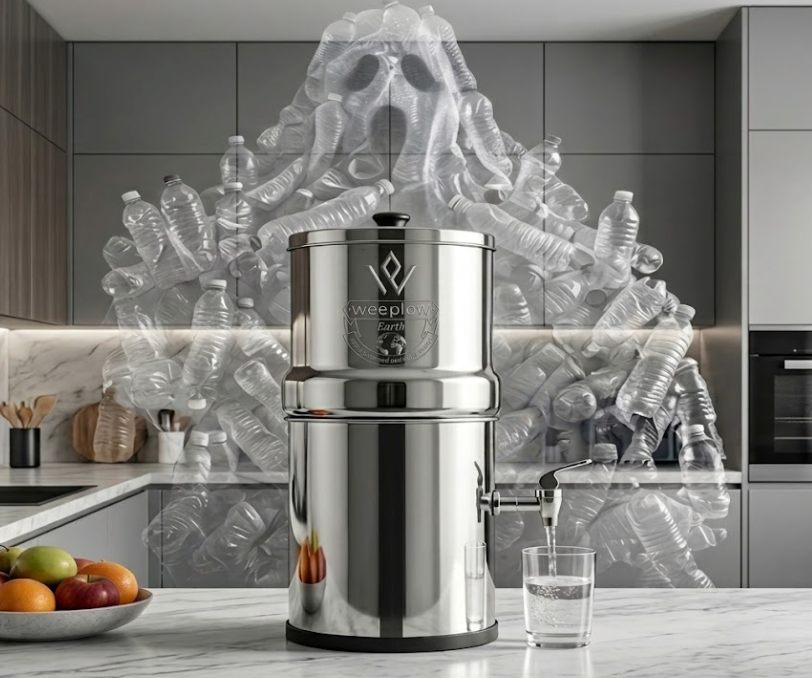
Introduction Each year, a French household spends hundreds of euros on bottled water. It is carried home from the supermarket, stored in the kitchen, reassured by the image of mountains on ...
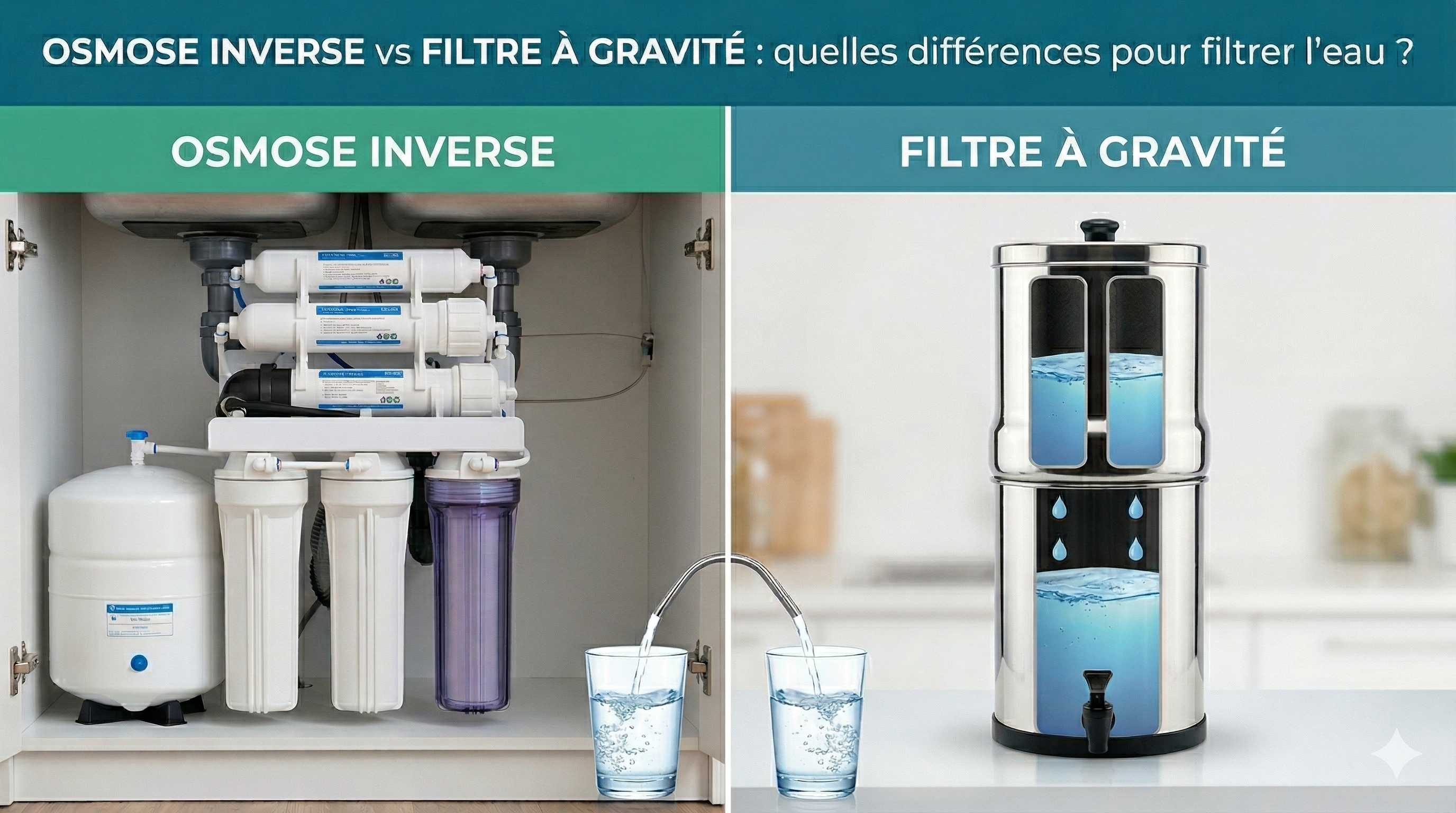
Reverse osmosis or a gravity filter: what are the differences when filtering drinking water? Discover how these two technologies work, along with their advantages and limitations for reducing conta...
Tap water is often treated to make it drinkable, but it can still contain traces of pollutants. These may include chlorine, pesticides, nitrates and pharmaceutical residues. These substances can ca...