



Erfahren Sie, wie Nitrat ins Trinkwasser gelangt, welche Grenzwerte gelten und was aktuelle Studien über mögliche Gesundheitsrisiken sagen.
Your Cart
(0 products)
Your cart is empty
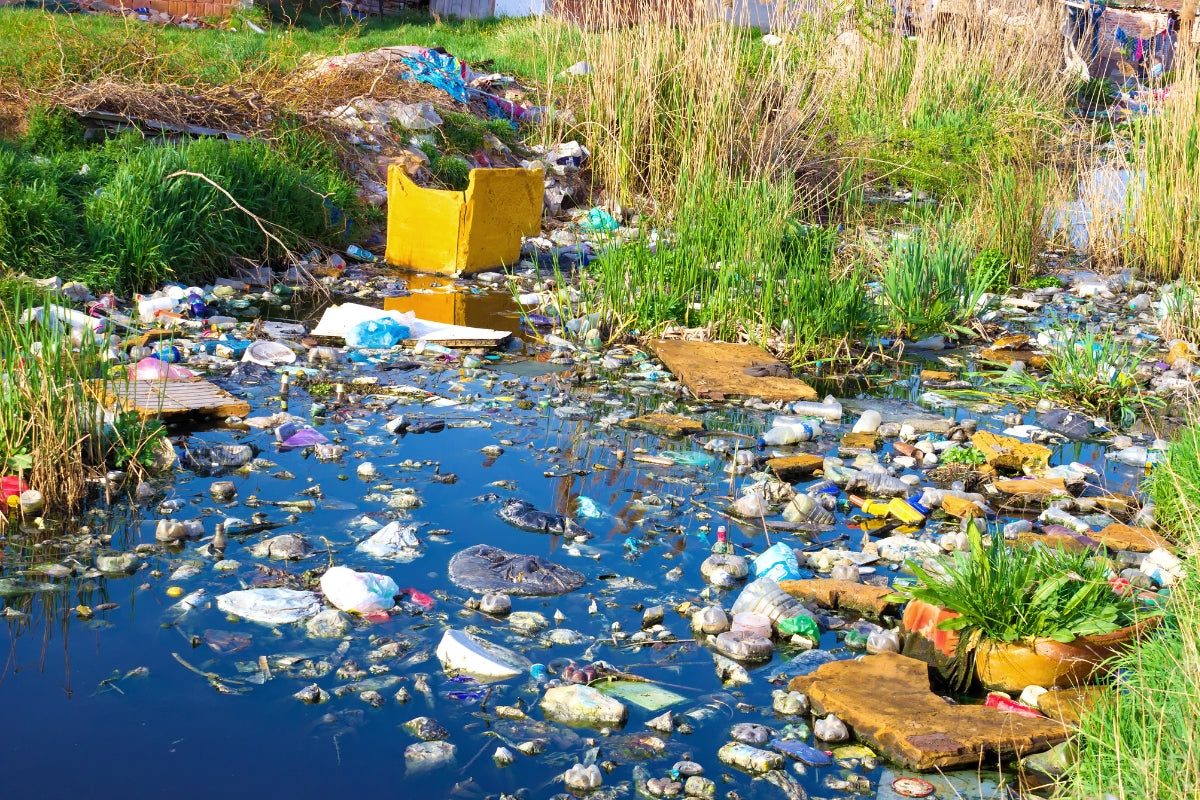
Faced with the environmental and health emergency caused by per- and polyfluoroalkyl substances (PFAS), France has been compelled to respond quickly. The law of 27 February 2025 has been approved and aims to protect the public. These synthetic chemical compounds, known as “forever chemicals”, have become widespread in daily life. They are found in soil, drinking water and even the air. They therefore pose a threat to human health.
Nicolas Thierry introduced the proposed law aimed at banning several products from 2026. The objective is to strengthen health monitoring of water supplies.
From 1 January 2026, the law will ban the manufacture, import, export and sale in France of products containing PFAS. This will apply to cosmetics, firefighting foams, textiles and certain industrial products. It will not apply to products containing residual traces of PFAS unless recommended thresholds are exceeded following risk assessment.
These sectors are therefore being urged to quickly find safer alternatives to these widely used synthetic compounds. Technical clothing and textiles will be banned from 2030.

PFAS are fluorinated carbon-chain molecules that are highly resistant to degradation. These forever chemicals are released into the environment and contaminate drinking water, soil, living organisms and animals. Their toxicity is well established. They are linked to water pollution, testicular and kidney cancers, low birth weight, endocrine disruption and weakened immune systems.
Customs and health inspections will therefore be introduced from 2026 to detect affected products as quickly as possible. The aim is to enforce this new law. During 2025, an expanded list of banned products will be published.
The government is anticipating a wider European PFAS ban expected under the REACH regulation. This proposal was submitted to the European Chemicals Agency (ECHA) in 2023. Five countries — Germany, Denmark, Norway, the Netherlands and Sweden — wish to eventually prohibit all perfluoroalkyl and polyfluoroalkyl substances across Europe.
Health and environmental standards would therefore be harmonised in order to avoid unfair competition. Certain products such as food packaging and kitchen utensils will be banned across Europe from August 2026.
The law of 27 February 2025 is the result of scientific work dedicated to the risks of per- and polyfluoroalkyl substances (PFAS). For several years, the international scientific community has raised concerns about the presence of these synthetic chemicals in food chains, water surfaces and everyday food products.
These molecules grouped under the general name PFAS include perfluorooctanesulfonic acid (PFOS), perfluorooctanoic acid (PFOA), perfluorooctane sulfonate and perfluorohexanesulfonic acid. They belong to the same family of chemicals known for water-resistant properties and heat resistance.
The aim was to carry out a precise analysis of contamination by these per- and polyfluoroalkyl substances. This particularly rigorous detection method was combined with environmental assessment and made it possible to measure PFAS pollution from industrial water discharges across France and Europe.

PFAS are not only found in soil, they also contaminate water. Strict controls will be carried out from 2026 by the French Agency for Food, Environmental and Occupational Health & Safety (ANSES). An annual report will have to be published on water quality and contamination levels in drinking water for each region.
This report will be submitted to the European Parliament and the Council and will mention new health standards from 2026. These will be based on the most recent data from specialised laboratories. The objective of the law is clear: tackle the risks linked to toxic substances and progressively remove PFAS from drinking water within five years.
The 2025 law introduces the polluter-pays principle. An environmental tax will apply to industrial PFAS discharges into water. Classified industrial sites will have to pay in proportion to the amount of water pollution generated by these chemical compounds.
The money raised will then fund local clean-up measures. Local authorities will be able to deploy additional resources to provide better quality drinking water. The aim is to completely eliminate industrial PFAS discharges within a maximum period of five years.
These substances are widely used by the French and international chemical industries for their waterproofing properties. They are found in coatings. In January 2023, the European Commission had already set a water quality limit for drinking water, prompting the government to strengthen monitoring procedures and detection methods.
By drastically reducing exposure to PFAS, medium- and long-term health benefits are expected. The European Food Safety Authority estimates that PFAS are linked to several cancers, hormonal illnesses and developmental disorders. They are also associated with low birth weight in children exposed during pregnancy.
On the economic side, some industries fear higher costs to adapt. However, the 2025 law still provides enough time for a smooth transition while protecting both the environment and the population.
The law of 27 February 2025 is important because it creates an obligation to inform the public transparently about water pollution and contaminated sites. An interactive map updated annually will be available to everyone from 2025 on the Ministry for Ecological Transition website.
It will indicate contamination sites, responsible industrial sources and quantities released each year. French citizens will be able to clearly understand the environmental impact of these substances found in textiles, kitchen utensils, food packaging and cosmetics. The government hopes this measure will strengthen collective awareness.
This law of 27 February 2025 is significant for France because it places the country at the forefront of regulating risks linked to chemical substances. It creates a particularly strict framework and therefore becomes an example for other countries in tackling water pollution and implementing European directives. The objective is for this French and European ban to inspire wider international harmonisation in order to address this persistent problem.
You can also protect yourself by changing your habits. Tap water is widely contaminated, which highlights the value of appropriate treatment methods such as using activated carbon filters for drinking water treatment. They remove PFAS (per- and polyfluoroalkyl substances) from drinking water and help reduce the risk of known health issues. They are recognised for neutralising more than 99.99% of dangerous contaminants.
The restriction of PFAS appears to be a necessary response to a major issue affecting every part of the environment. These materials with waterproofing properties are found in drinking water, groundwater and the air. This situation threatens both human and animal life. Their sale has contributed to widespread contamination, particularly through PFOA and PFOS, which are classified as toxic. It is therefore urgent for a coordinated national plan to be introduced alongside European regulation in order to limit risks to fertility and the immune system.
Erfahren Sie, wie Nitrat ins Trinkwasser gelangt, welche Grenzwerte gelten und was aktuelle Studien über mögliche Gesundheitsrisiken sagen.
Researchers are increasingly studying the possible effects of chronic exposure to nitrates in drinking water. Here is what current research actually says about the potential risks associated with l...

Introduction Each year, a French household spends hundreds of euros on bottled water. It is carried home from the supermarket, stored in the kitchen, reassured by the image of mountains on ...
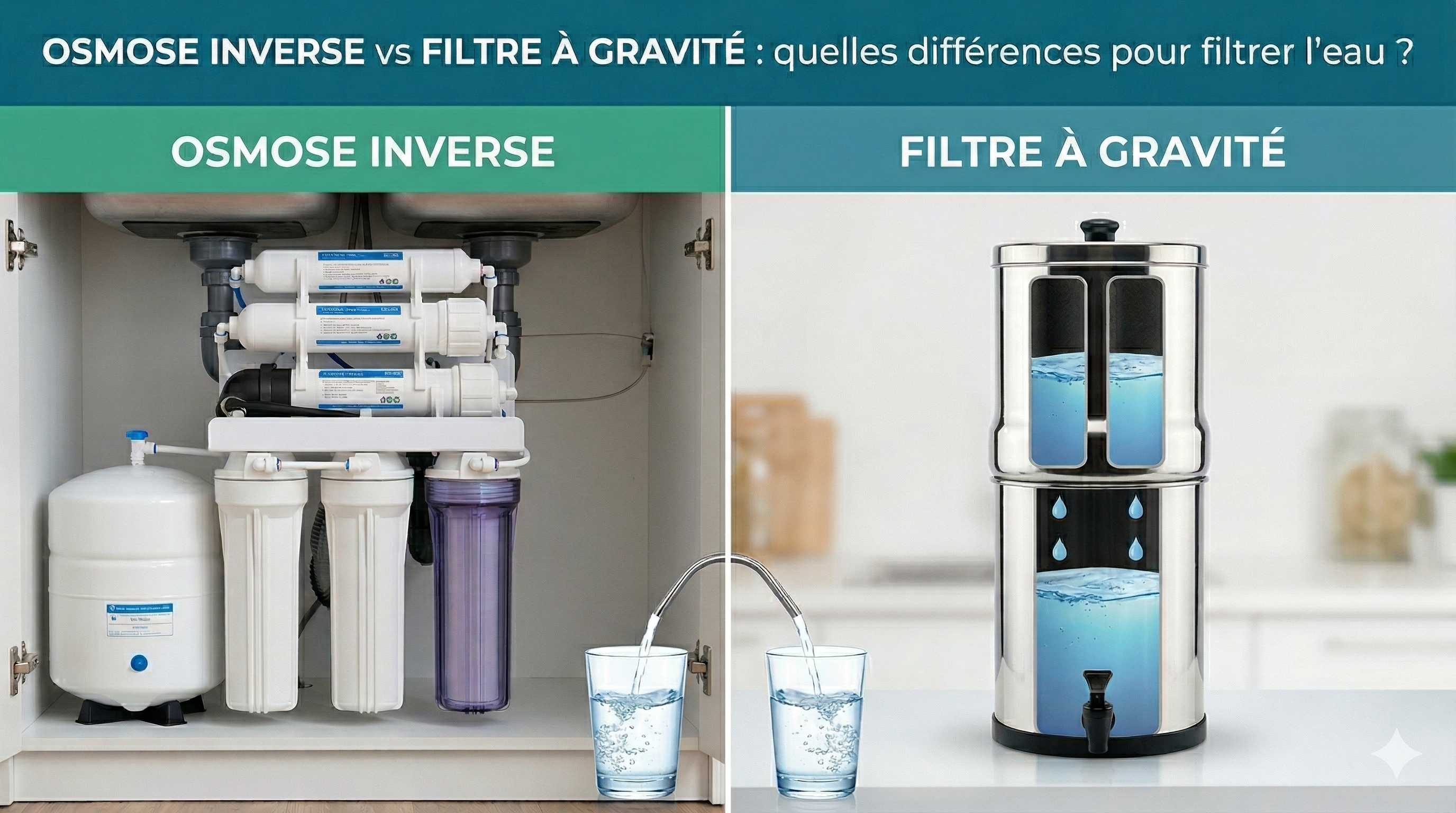
Reverse osmosis or a gravity filter: what are the differences when filtering drinking water? Discover how these two technologies work, along with their advantages and limitations for reducing conta...
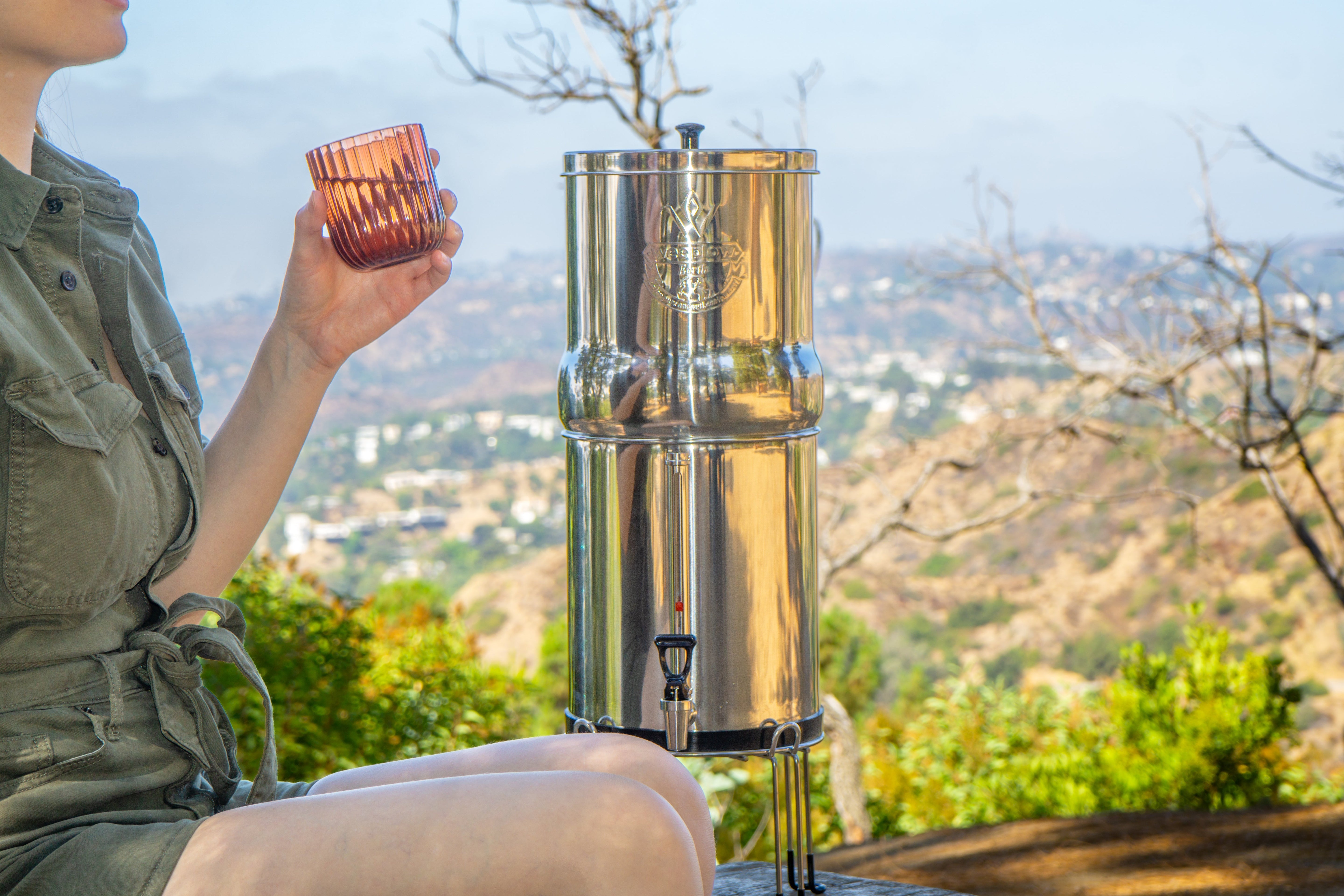
Tap water is often treated to make it drinkable, but it can still contain traces of pollutants. These may include chlorine, pesticides, nitrates and pharmaceutical residues. These substances can ca...