


Nitrate und Methämoglobinämie: Welche Risiken bestehen für Leitungswasser? Verstehen Sie die Verbindung zwischen diesen beiden Elementen und was das für Ihr tägliches Wasser bedeutet.
Your Cart
(0 products)
Your cart is empty
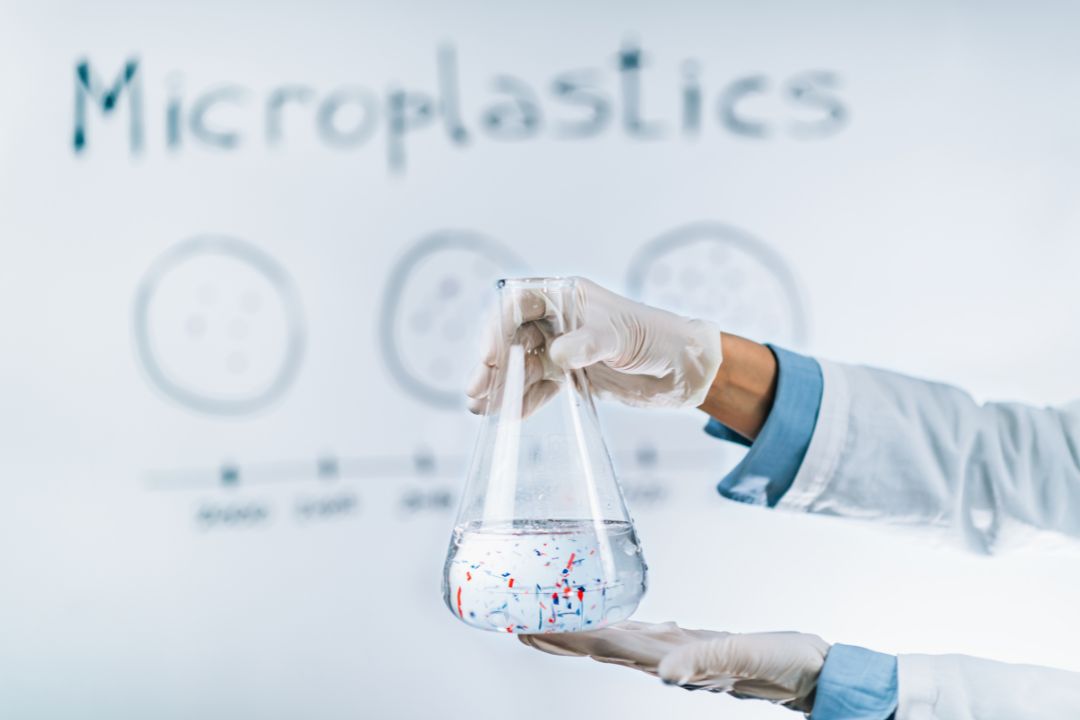
Microplastics are tiny plastic fragments measuring less than 5 millimetres in diameter. Some are intentionally manufactured at this size for use in products such as cosmetics, hygiene items and clothing. Others come from the breakdown of larger plastic objects such as packaging, bottles and fishing nets.
These microscopic particles are now found across many ecosystems, affecting humans, plant life and animals. In this article, we explore the effects of microplastics on human and animal health, along with practical ways to help reduce your personal exposure.
Today, microplastics contaminate every environment, from the oceans to mountain peaks, with harmful consequences for the planet and its inhabitants.
The main sources of microplastics are synthetic textiles, plastic waste and cosmetic products.
Common throughout our wardrobes (polyester, elastane, rayon and more), these particles can be released through washing and friction between clothes.
When discarded into the environment or disposed of improperly, plastic waste gradually degrades under the effect of several factors.
These include:
Microplastics in cosmetics come from two main sources: packaging and the ingredients themselves.
They are often deliberately added to products as:
In total, more than 500 different types of polymer are present in cosmetics and other personal care products.
During machine washing, synthetic fibres such as polyester, nylon and acrylic detach from clothing. These microfibres then pass into wastewater and reach rivers, lakes and eventually the oceans. Many cosmetic microplastics also enter drains when products such as shower gels, scrubs and toothpaste are rinsed away.
They are even present in the air we breathe. While evaporation from polluted water may contribute, other lesser-known mechanisms also spread airborne microplastics. Think of tyres wearing down on roads. Tiny rubber and plastic fragments are released into the atmosphere.
Likewise, the simple friction of clothes rubbing together, even when dry, can release fibres into the air. Some cosmetic products such as perfumes and deodorants may also disperse microscopic particles.
Improper disposal of make-up wipes, cotton buds and other personal care products can also contaminate soils.
Two spectroscopic techniques are commonly used to identify and analyse microplastics: Fourier-transform infrared spectroscopy (FTIR) and Raman spectroscopy. Combined with microscopy, these methods can detect particles as small as 1 µm.
However, one challenge remains: separating these tiny fragments from surrounding organic matter. This extraction stage is often slow and costly, limiting efficiency and speed.
Researchers at the University of Portsmouth have also developed a promising method for detecting microplastics in wastewater. Published in the journal Analytical and Bioanalytical Chemistry, it uses a chemical solution known as Fenton’s reagent to remove organic matter, a major source of interference.
When tested on raw wastewater, sewage sludge and final effluent, the method recovered between 60% and 80% of added microplastics, showing encouraging results.
Large plastic debris is already known to cause serious physical harm to animals, including entanglement, internal injuries and heavy metal poisoning.
After ingesting microplastics, smaller animals such as birds and fish may also suffer digestive blockages. This can lead to digestive disorders, a false sense of fullness and poorer body condition, increasing the risk of disease and death.
Once in soil, microplastics may be ingested by land animals in several ways:
The effects on terrestrial animals are still being studied, but early findings are concerning. Reported impacts include reduced food intake, choking risks, behavioural changes and possible genetic disruption.
Exposure may even interfere with reproduction and population stability.
Microplastics have been detected in a wide range of foods and drinks, though much research still focuses on seafood and drinking water. One study of fish, squid and prawns commonly eaten by humans found that 100% of tested organisms were contaminated with microplastic particles.
A recent United Nations Environment Programme report and other studies have also identified microplastics in:
Microplastics also reach us through less obvious routes: the air we breathe, the water we drink and even skin contact. Some may be absorbed by intestinal cells and transferred to organs such as the liver, kidneys and lymph nodes.
Research suggests that once inside the human body, microplastics may cause harm through several mechanisms, including:
More research is still needed to determine how much microplastic is truly absorbed by humans. Scientists also highlight the difficulty of detecting these particles in the body. Unbiased research is essential to better assess risks linked to different shapes and sizes.
Regarding gut exposure, research led by Muriel Mercier-Bonin and her team demonstrated harmful effects of microplastics on the human gut microbiome. This may have serious consequences, including a higher risk of inflammatory bowel disease, allergies and other conditions.
Human ingestion of microplastics may create wider problems for public health and food security. That is why many public bodies and regulations are now tackling the issue.
For example, the European Union has introduced new restrictions under the REACH regulation to limit the intentional use of microplastics in products. The European Commission has also proposed rules to reduce losses of plastic pellets during transport and manufacturing.
You can also reduce personal and household exposure through simple habits:
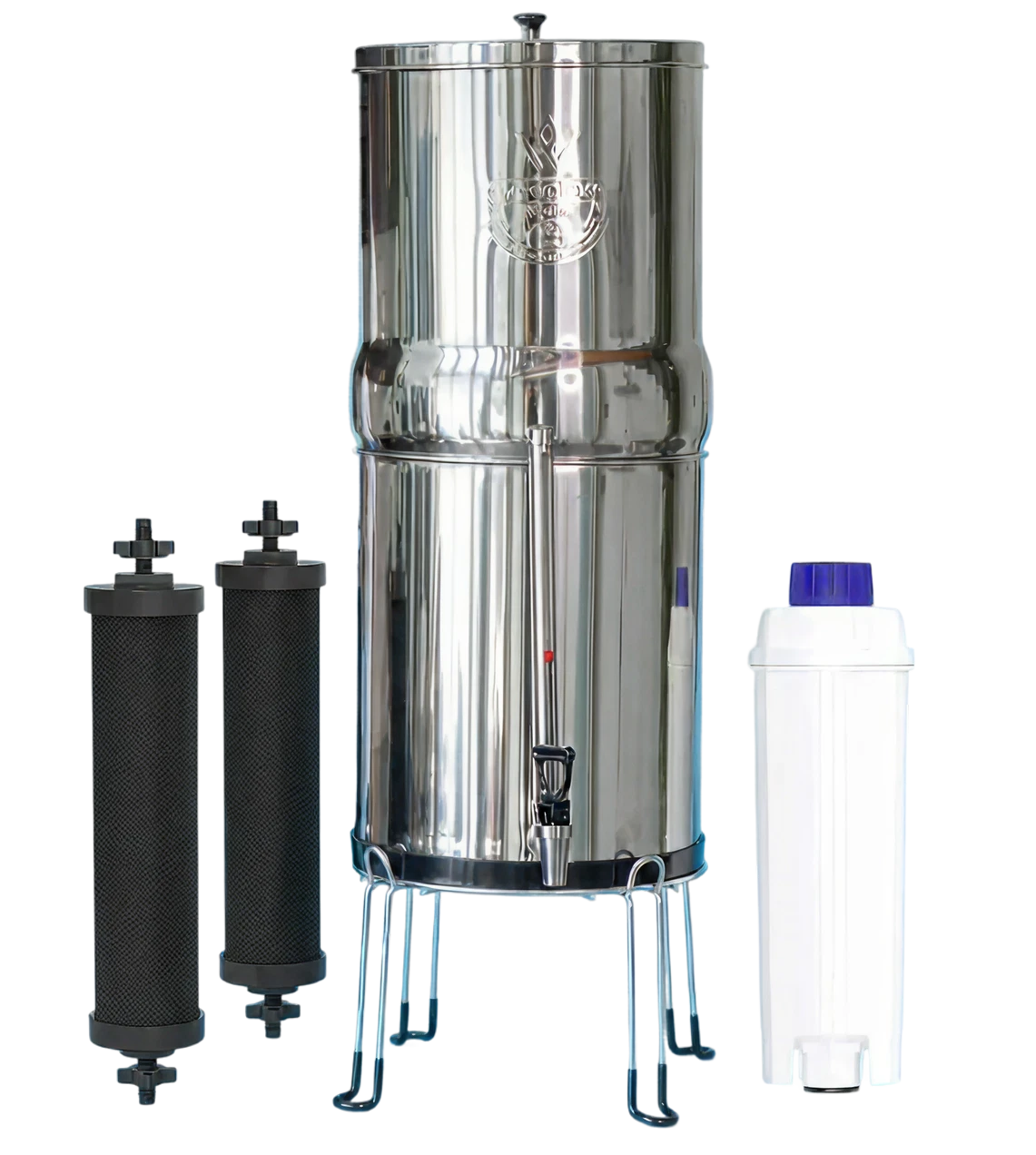
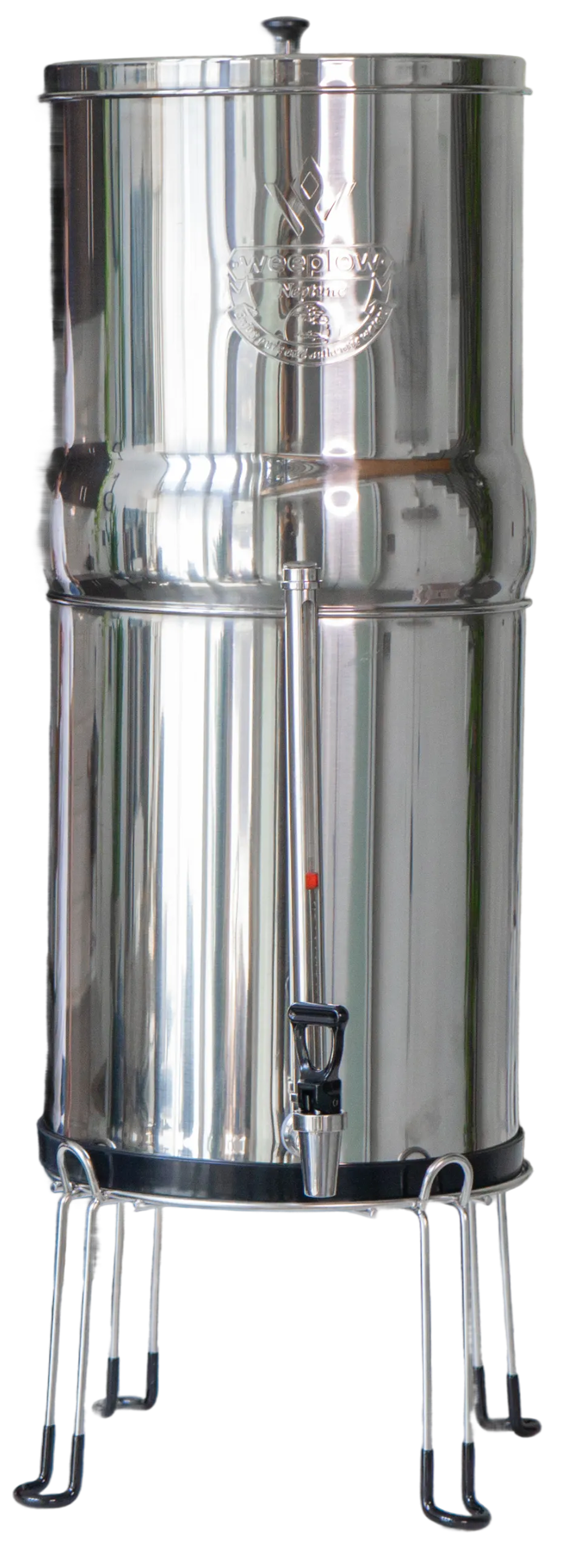
In this last case, activated carbon block filters are highly effective, retaining contaminants down to 2 microns. This is the technology used in our Weeplow gravity water filtration systems, which can remove up to 99.999% of harmful contaminants.
The widespread presence of microplastics in our environment, and therefore in our bodies, represents a growing concern for both human health and the planet. While scientific research is still developing, uncertainty only adds to concern.
Faced with this challenge, it is important to combine large-scale public health efforts with responsible personal action.
Simple solutions exist, such as water filtration systems, to help reduce the impact of these particles on wellbeing. Explore the model that suits your needs in our shop and start reducing the amount of microparticles your household may ingest each day.
Nitrate und Methämoglobinämie: Welche Risiken bestehen für Leitungswasser? Verstehen Sie die Verbindung zwischen diesen beiden Elementen und was das für Ihr tägliches Wasser bedeutet.
Researchers are increasingly studying the possible effects of chronic exposure to nitrates in drinking water. Here is what current research actually says about the potential risks associated with l...

Introduction Each year, a French household spends hundreds of euros on bottled water. It is carried home from the supermarket, stored in the kitchen, reassured by the image of mountains on ...
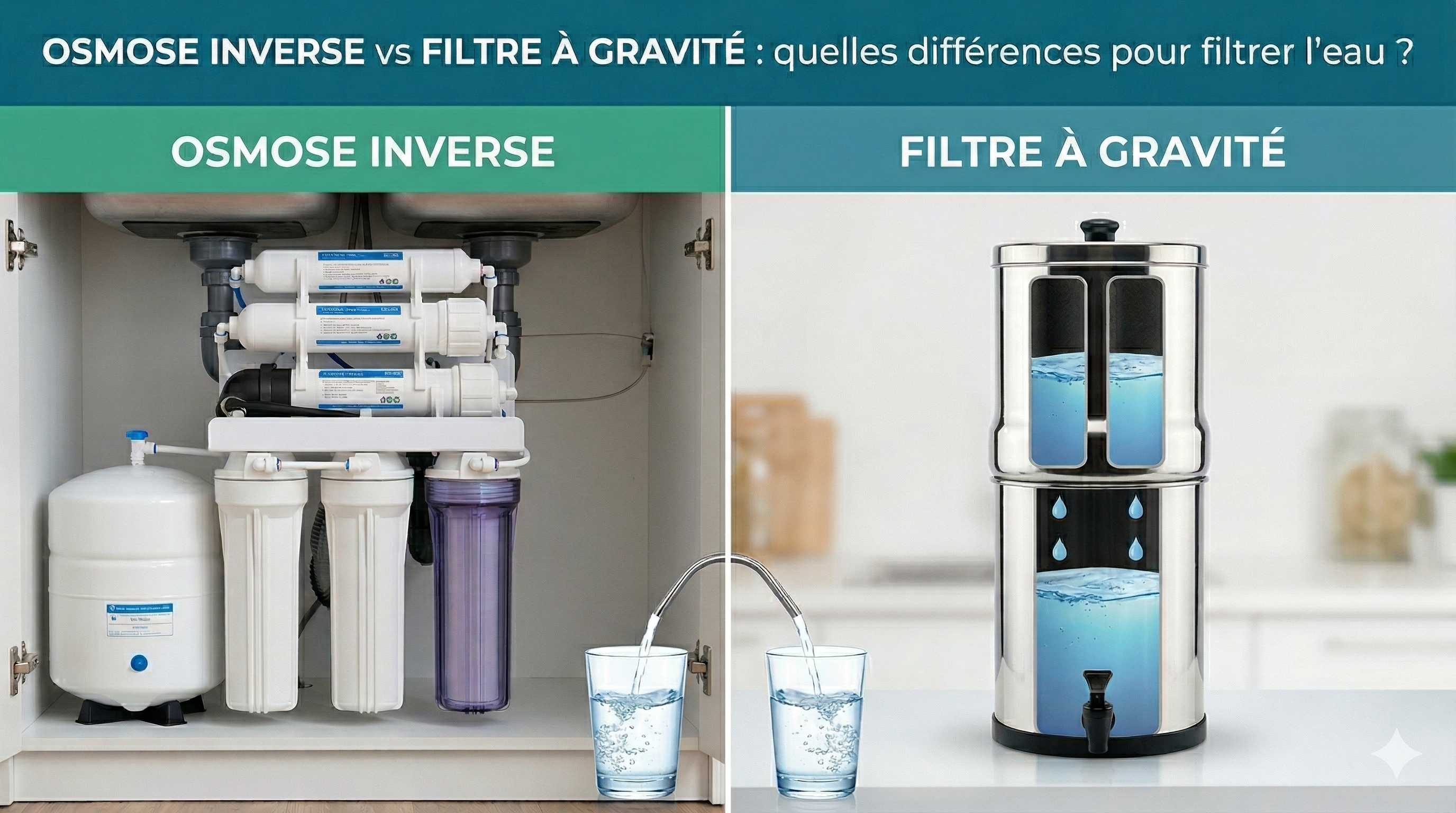
Reverse osmosis or a gravity filter: what are the differences when filtering drinking water? Discover how these two technologies work, along with their advantages and limitations for reducing conta...

Tap water is often treated to make it drinkable, but it can still contain traces of pollutants. These may include chlorine, pesticides, nitrates and pharmaceutical residues. These substances can ca...