



„Blausäugigkeit“ ist einer der Hauptgründe, warum Nitratwerte im Trinkwasser reguliert werden. So funktioniert es – und warum es auch heute noch wichtig ist.
Your Cart
(0 products)
Your cart is empty
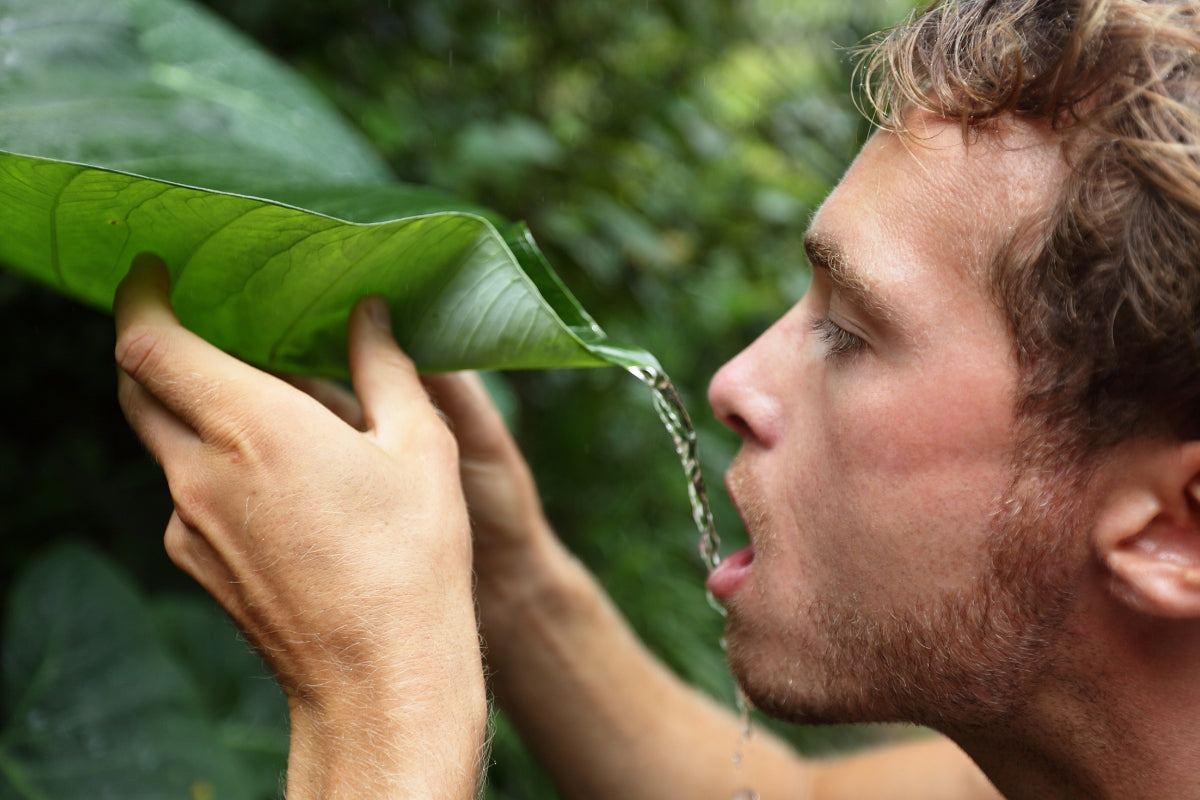
Während einer Krise oder eines Konflikts werden manche Ressourcen schwerer zugänglich. Wasser kann schnell knapp werden, und ohne sicheren Zugang kann Ihr Überleben innerhalb von Stunden gefährdet sein. Es gibt jedoch Möglichkeiten, auch in extremen Situationen eine zuverlässige Trinkwasserversorgung sicherzustellen. Wir haben 10 Lösungen zusammengestellt, die Ihnen helfen, Ihr Überlebensset zu erweitern.
Dies ist eine effektive Lösung für den sofortigen Zugang zu Trinkwasser. Diese ultraleichten Geräte entfernen bis zu 99,99 % der Bakterien und Parasiten, die in stehendem oder kontaminiertem Wasser vorkommen.
Studien, die von Gesundheitsorganisationen zitiert werden, zeigen, dass diese Filter das Risiko schwerer Infektionen bei Naturkatastrophen deutlich reduzieren. Leicht zu transportieren, können Filter mit Aktivkohle direkt an Wasserquellen wie Flüssen, Seen oder sogar Pfützen verwendet werden.
In Notfällen sind Wasserreinigungstabletten eine besonders zuverlässige Lösung. Sie basieren meist auf Chlor oder Jod und neutralisieren Viren, Bakterien und Protozoen im kontaminierten Wasser.
Das Britische Rote Kreuz empfiehlt häufig, mindestens dreißig Tabletten in einem individuellen Notfallset mitzuführen, um den Bedarf für mehrere Wochen abzudecken. Die Chemikalien eliminieren Krankheitserreger innerhalb von 30 Minuten, entfernen jedoch keine chemischen Schadstoffe.

Die Installation eines Regenwassersammlers oder einer Regentonne erhöht Ihre Autonomie während einer langanhaltenden Krise erheblich.
Humanitäre Organisationen empfehlen diese Methode, um den Wasserzugang in instabilen Gebieten sicherzustellen. Diese Lösung ist auch nach Naturkatastrophen wie Überschwemmungen oder schweren Stürmen wirksam. Zudem sind diese Systeme ganzjährig einfach zu Hause zu installieren.
Wenn keine Stromquelle vorhanden ist, können Sie mit Solarenergie Trinkwasser ohne Elektrizität herstellen.
Das benötigte Equipment ist einfach: eine transparente Plastikfolie, ein Behälter und einige Steine, um eine Notfallanlage zu bauen.
Die einfachste Lösung ist, große Mengen Trinkwasser im Voraus zu lagern. Der Hohe Flüchtlingskommissar der Vereinten Nationen (UNHCR) empfiehlt, mindestens 20 Liter Trinkwasser pro Person für eine ganze Woche zu lagern.
Für eine langfristige Haltbarkeit sollten luftdichte, lichtundurchlässige Behälter verwendet werden. Die Zugabe einer Behandlung wie kolloidales Silber kann helfen, das Bakterienwachstum während der Lagerung zu verhindern.

Kochen Sie Wasser mindestens eine Minute lang, um potenziell tödliche Bakterien, Viren und Parasiten zu eliminieren. Obwohl effektiv, ist diese Methode energieintensiv. Wenn Brennstoff knapp ist, ist sie möglicherweise nicht die nachhaltigste Option. Dennoch ist Abkochen eine ideale temporäre Lösung, wenn Brennholz oder ein tragbarer Kocher verfügbar sind.

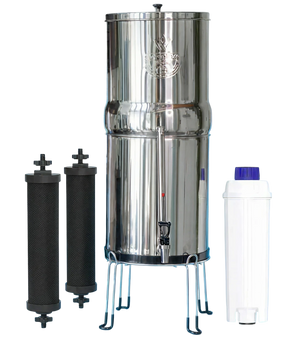
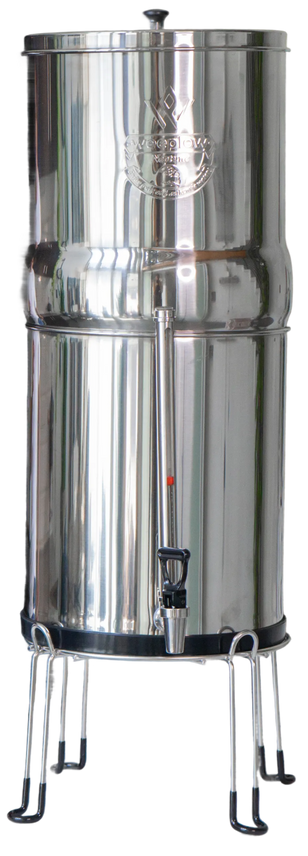
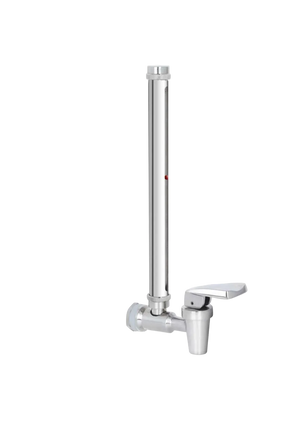
Aktivkohlefilter sind sehr effektiv. Wir bieten diese Lösung bei Weeplow an. Sie entfernen Chemikalien, Toxine, Viren und PFAS und liefern sauberes, sicheres Trinkwasser.
Aktivkohle wird seit Jahrzehnten vom Militär verwendet, um Verunreinigungen, Schwermetalle und giftige Lösungsmittel zu entfernen. In Hochrisikosituationen schützt so behandeltes Wasser Ihre Gesundheit. Der Filter hält zwei Jahre, was für die meisten Krisenszenarien ausreichend ist.
Außerdem benötigt unser Filter keinen Strom, was ihn ideal für Ihr Überlebensset macht und leicht zu transportieren ist!
Das Aussetzen von klarem Wasser in transparenten Plastikflaschen für sechs Stunden in der Sonne kann viele Krankheitserreger zerstören. Die SODIS-Methode wird seit den 1990er Jahren von der WHO empfohlen. Obwohl langsam, ist ihr Vorteil, dass sie kostenfrei und während längerer Instabilität zugänglich ist.
Viele Gebiete im Vereinigten Königreich verfügen über zugängliche Grundwasserreserven. Diese sind oft weniger durch Oberflächenpathogene kontaminiert als Flüsse oder Teiche. Ein einfacher Brunnen kann eine bedeutende autonome Ressource bieten, wobei das Wasser aus Sicherheitsgründen dennoch mit einer Sekundärmethode wie einem Aktivkohlefilter kombiniert werden sollte.

In extremen Überlebenssituationen kann Kondensation von Vegetation als letzter Ausweg dienen. Das Abdecken belaubter Äste mit einer verschlossenen Plastiktüte ermöglicht es der natürlichen Transpiration, kondensiertes Wasser zu erzeugen. Diese Technik liefert begrenzte Mengen (weniger als 0,5 Liter pro Tag), kann aber unter kritischen Bedingungen lebensrettend sein.
Die Sicherstellung eines zuverlässigen Zugangs zu Trinkwasser sollte niemals vernachlässigt werden. Bereiten Sie Ihr Überlebensset im Voraus vor, damit Sie bereit sind, Ihre Versorgung zu sichern, falls die Welt aus den Fugen gerät.
Möchten Sie Ihre Notfallvorsorge verbessern? Entdecken Sie unser Sortiment an stromfreien Schwerkraftfiltern.
„Blausäugigkeit“ ist einer der Hauptgründe, warum Nitratwerte im Trinkwasser reguliert werden. So funktioniert es – und warum es auch heute noch wichtig ist.
Die Forschung zu Nitraten und Krebs entwickelt sich noch, aber Wissenschaftler richten ihre Aufmerksamkeit zunehmend darauf, was eine langfristige Exposition durch Trinkwasser für die Gesundheit im...
Hinweise zum Abkochen von Wasser können unerwartet erscheinen, sind aber ein normaler Bestandteil der Wasserqualitätskontrolle. Dieser Leitfaden erklärt, was sie bedeuten, warum sie auftreten und g...
Ein virales Video, das auf X (ehemals Twitter) geteilt wurde, hat Millionen von Aufrufen erzielt. In dem Clip versucht ein Mann zu beweisen, dass Flaschenmineralwasser stark verunreinigt ist, indem...
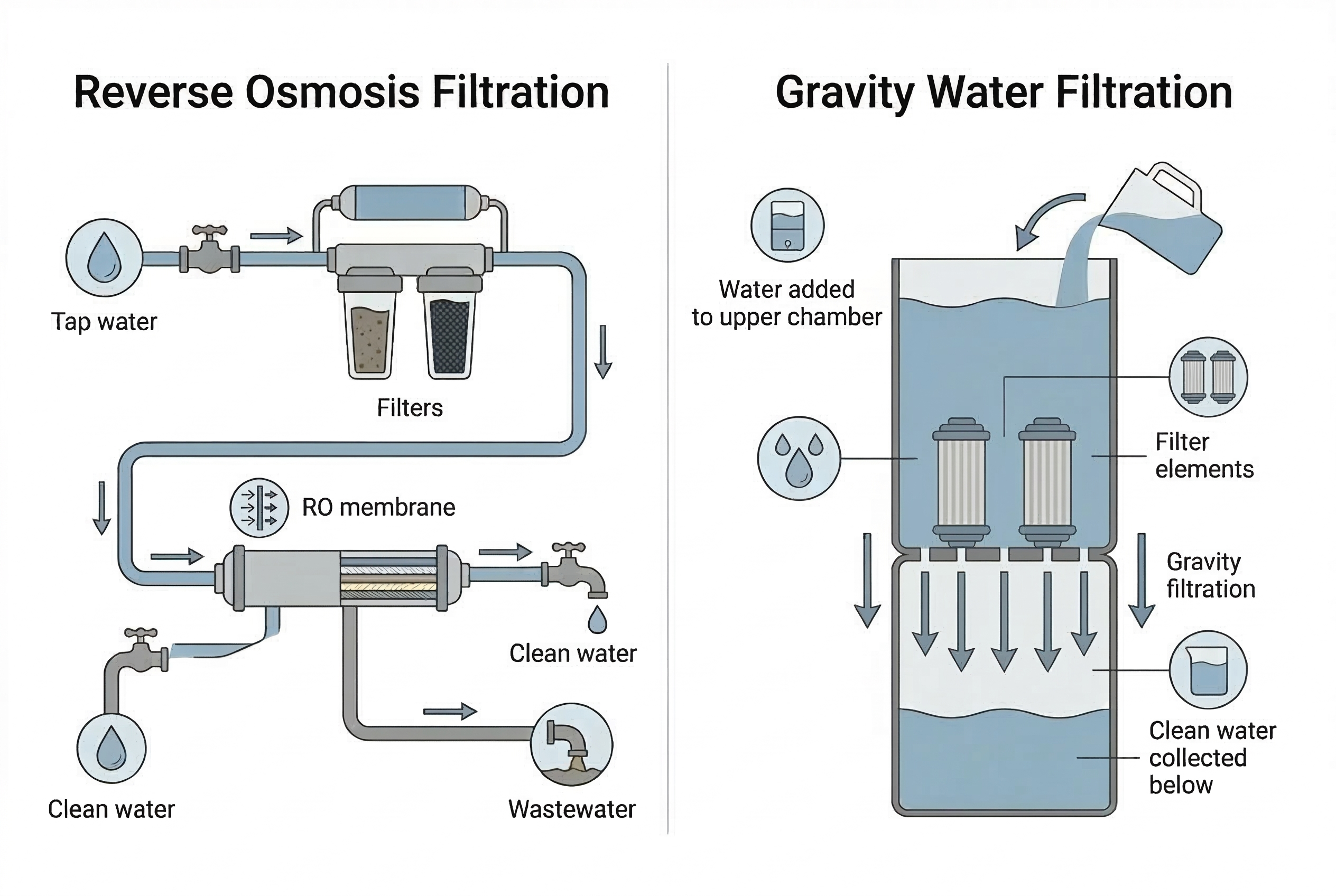
Umkehrosmose- und Schwerkraft-Wasserfilter verbessern beide die Trinkwasserqualität, funktionieren jedoch auf sehr unterschiedliche Weise. Erfahren Sie, wie jedes System arbeitet, welche Verunreini...