


Nitrates et méthémoglobinémie : quels risques pour l’eau du robinet ? Comprenez le lien entre ces deux éléments et ce que cela signifie pour votre eau au quotidien.
Your Cart
(0 products)
Your cart is empty

The chemical substances identified in the human body raise serious concerns about their impact on health. A groundbreaking study published on Tuesday 17th September in the journal Environmental Health Science highlights widespread exposure to a large number of chemicals that come into contact with food.
Researchers from the Swiss Federal Institute of Technology in Zurich, in collaboration with Wayne University in Detroit, analysed biological samples such as urine, serum and breast milk. They revealed the presence of more than 3,600 chemicals originating from materials that come into contact with food products.
Without us even realising it, bisphenol, phthalates and forever chemicals are affecting our daily lives. Whether in plasma, blood or even the skin, we are impacted by this pollution.
On 17 September, a new study was published in the journal Exposure Science and Environmental Epidemiology. We learned that our bodies are heavily affected by chemicals that come into contact with food. Every time you eat, you ingest compounds without realising it.
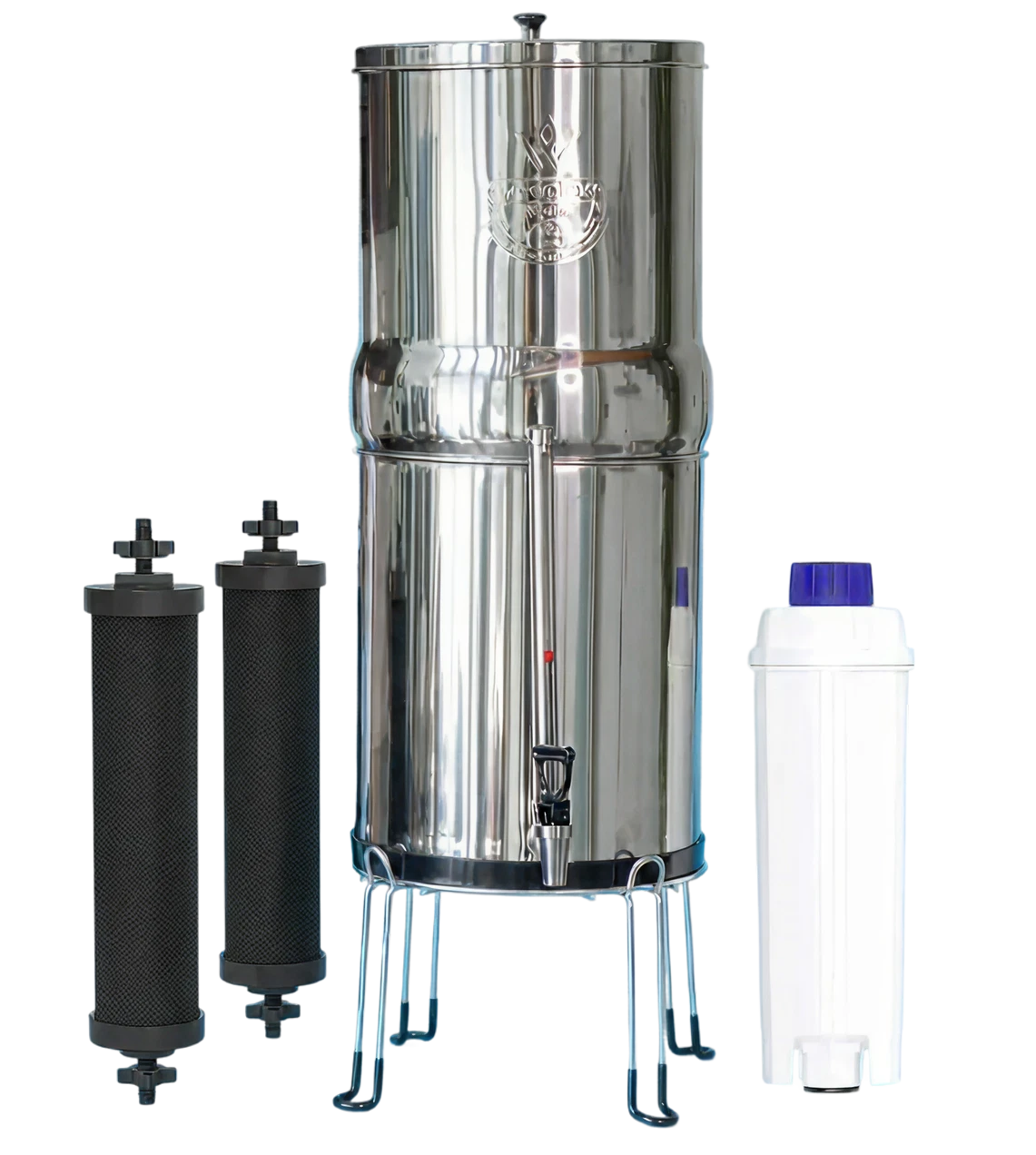
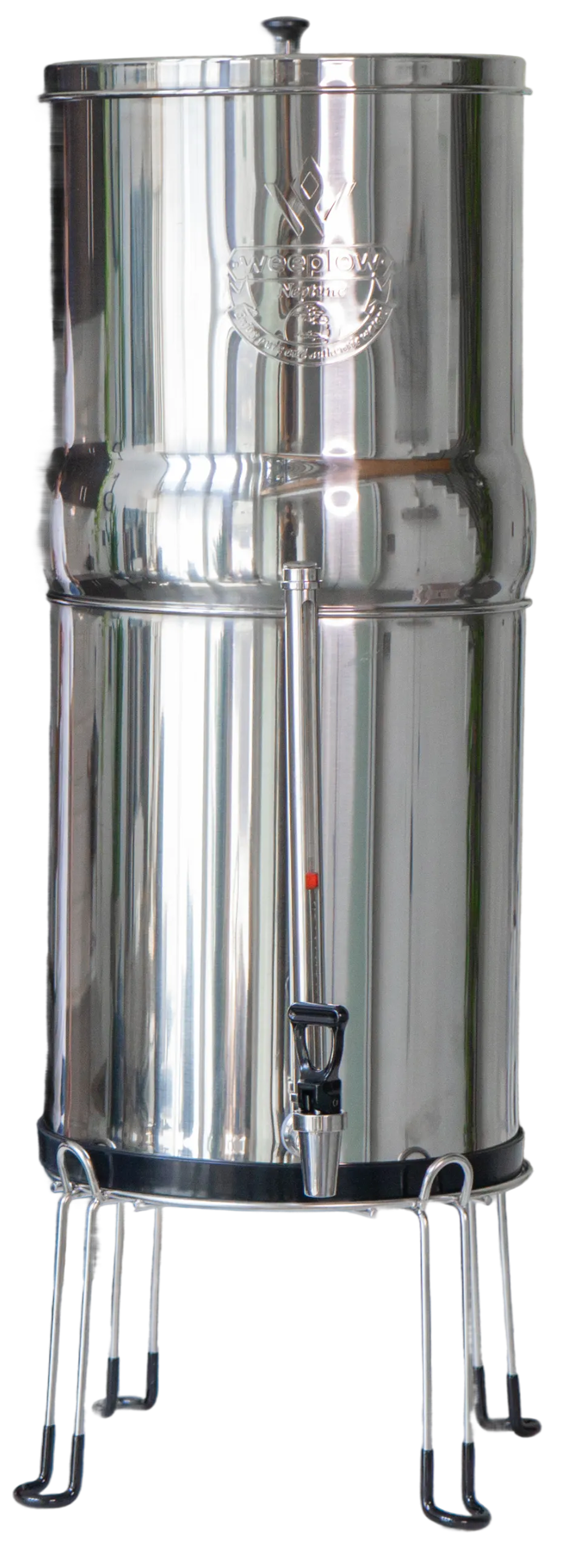
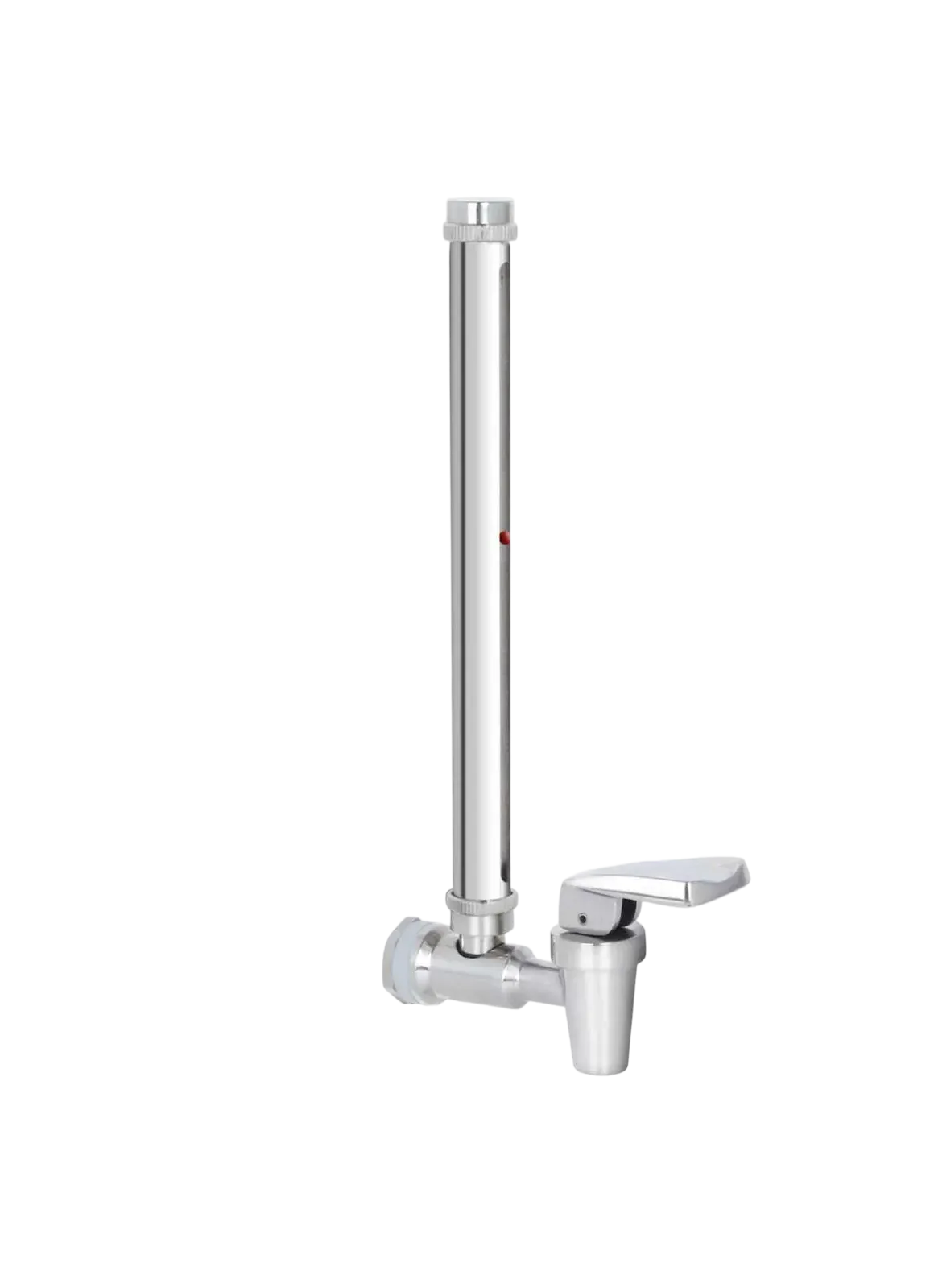
However, consumers have limited means to fight this problem. It is possible to reduce everyday packaging by choosing loose or unpackaged products, but the room for manoeuvre remains limited. For example, you can avoid plastic water bottles, which are a cause of global pollution. At Weeplow, we offer a gravity filter paired with an activated carbon filter.
This combination can reduce the presence of pollutants in tap water by 99%. You can then drink much cleaner water without burdening your body. Indeed, bottles are also a source of ingested microplastics.

Among these concerning substances are forever chemicals (PFAS), bisphenols, phthalates, heavy metals, pesticides and volatile organic compounds. These toxic elements, some of which are known endocrine disruptors or potentially carcinogenic, mutagenic or reprotoxic, accumulate in the body and represent a risk to human health. Exposure pathways are numerous: food packaging, kitchen utensils and non-stick coatings.
This study also highlights gaps in scientific knowledge regarding the effects of many chemicals on our bodies. Birgit Geueke, one of the authors, stressed the need for further research to better understand long-term health impacts and to develop safer alternative solutions.
In light of these alarming findings, it appears essential to strengthen regulation and improve public health protection by limiting exposure to harmful chemicals present in our daily food supply.
Jane Muncke from the Food Packaging Forum was interviewed on this subject by Le Monde. We learn that the most worrying issue concerns bisphenol A. It continues to be used in particular for plastic bottles, cans and food tins.
Certainly, strategies have been introduced so that the European Union can tackle this issue, but practice is often more difficult than theory. As a result, she believes consumers will continue to be exposed to bisphenol A.
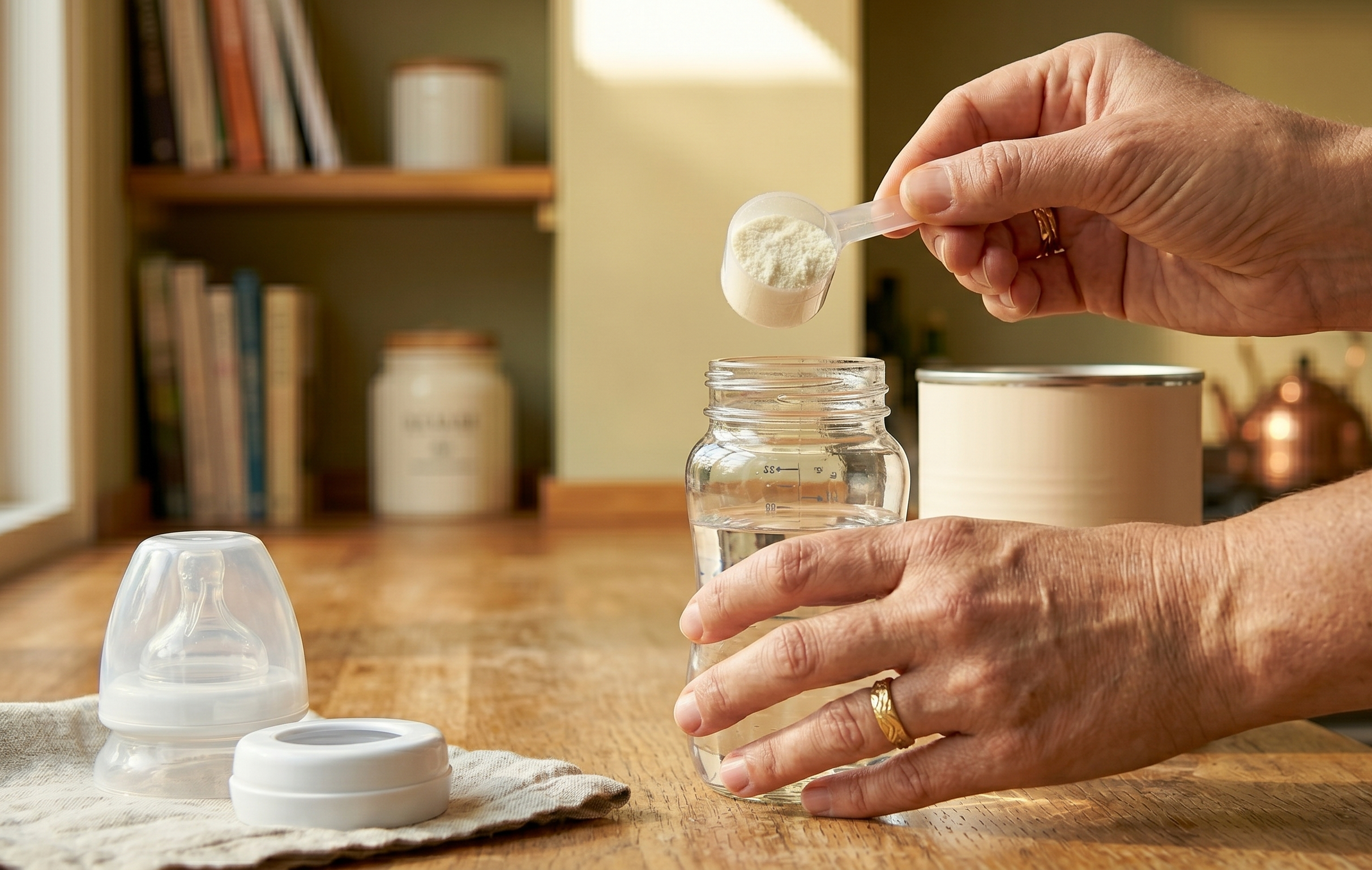
Many products migrate into our bodies, such as phthalates found in plastic bottles, printing inks for baby jars, or melamine resins. These are present in plastic cutlery and even in non-stick frying pans.
When you use cake tins, for example, you may affect your health through exposure to chemicals.
Gaps in the assessment of risks linked to chemicals present in food contact materials (FCMs) are a matter of concern. Despite growing evidence regarding the migration of these toxic substances into food and their detection in the human body, there is a clear lack of data on the long-term effects of many chemicals.
As the study authors Birgit Geueke and Ksenia Groh point out, current scientific knowledge contains significant weaknesses. This limits our ability to fully assess the risks to human health.
It is essential to continue research and establish links between exposure to chemicals from packaging, kitchen utensils and other food-contact objects, as well as their potential toxic effects on the immune and endocrine systems.
Current regulations concerning the use of chemicals in food-contact materials contain weaknesses. The European Food Safety Authority (EFSA) and other regulatory bodies must strengthen standards and controls to better protect consumer health. This study, based on international collaboration between the Institute of Environmental Health Sciences at Wayne State University and the Swiss Federal Institute of Technology, offers a unique opportunity to close these gaps and develop effective prevention strategies.
It is time to act and take concrete measures to restrict exposure to dangerous chemicals present in our daily food supply. By improving human biomonitoring, strengthening regulation and investing in research, we can better understand and prevent the health risks associated with these substances that are widespread in our food environment.
To limit exposure to harmful chemicals, it is essential to adopt good practices: choosing safer materials for food packaging and kitchen utensils. Consumers can also reduce their exposure by avoiding processed foods and choosing fresh produce and containers made of glass or stainless steel.
However, responsibility should not fall solely on individuals. It is urgent that European regulators and manufacturers take concrete action to better protect public health. This requires stronger regulation on the use of chemicals in FCMs, as well as the development of safer alternative solutions. It must also become easier to identify where these harmful substances come from.
Nitrates et méthémoglobinémie : quels risques pour l’eau du robinet ? Comprenez le lien entre ces deux éléments et ce que cela signifie pour votre eau au quotidien.
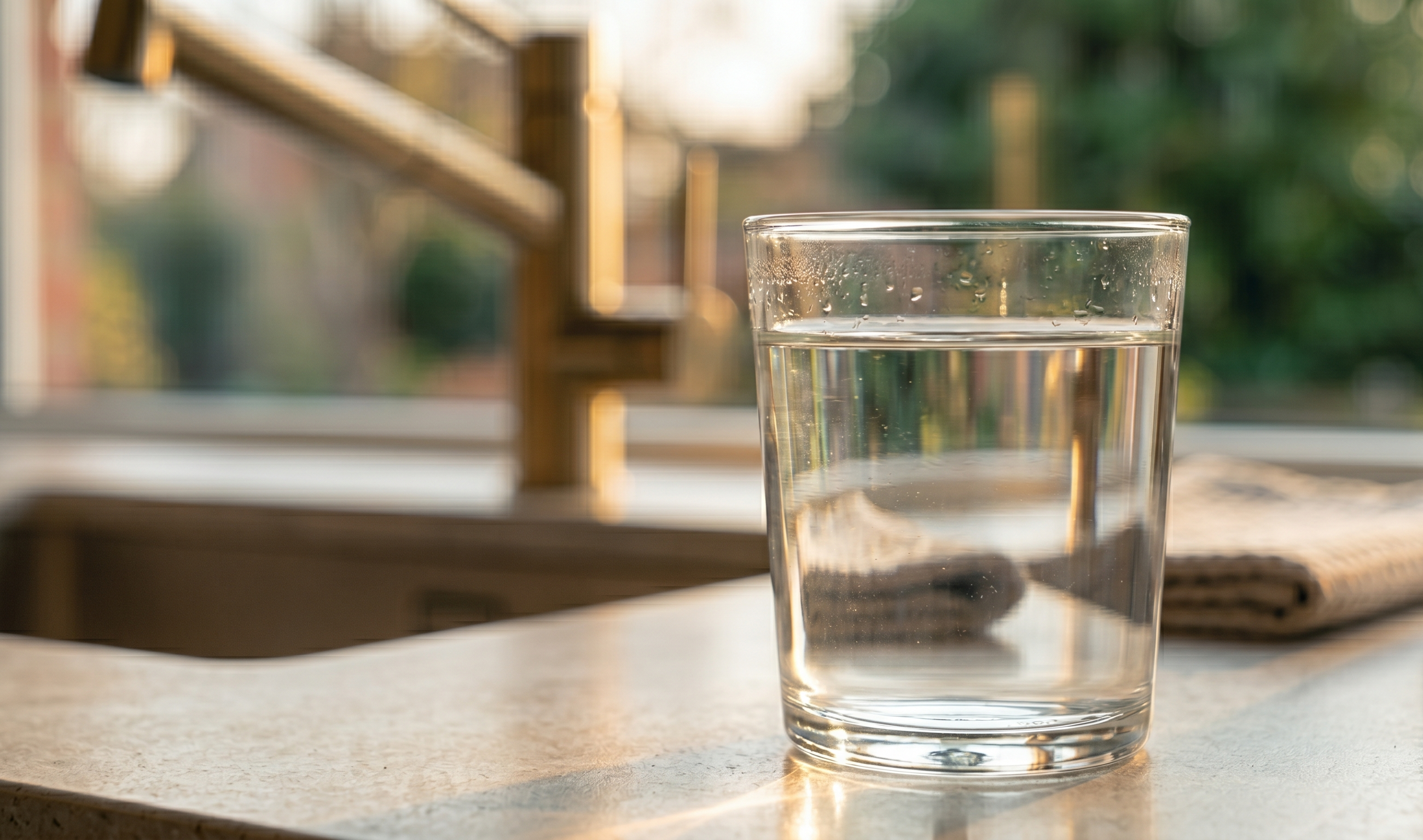
Researchers are increasingly studying the possible effects of chronic exposure to nitrates in drinking water. Here is what current research actually says about the potential risks associated with l...
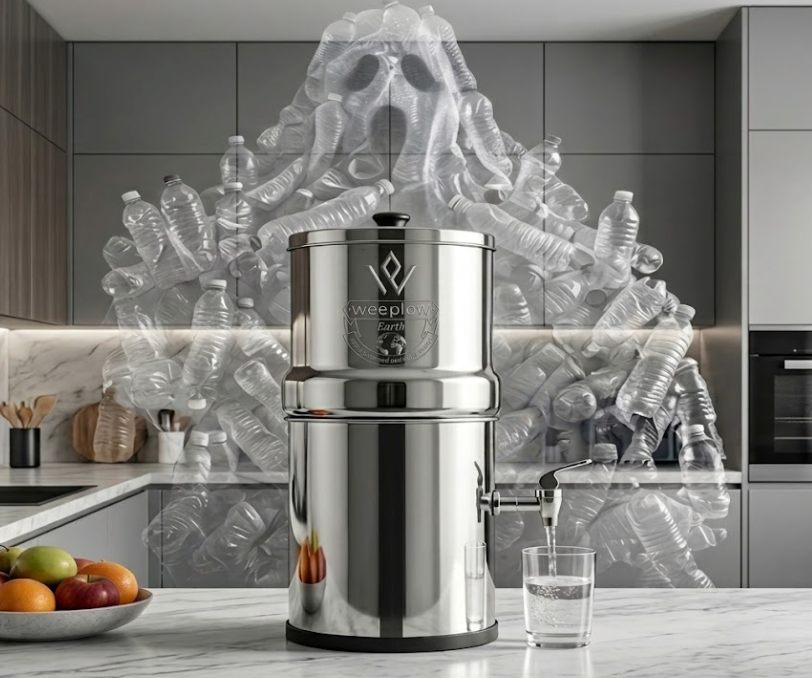
Introduction Each year, a French household spends hundreds of euros on bottled water. It is carried home from the supermarket, stored in the kitchen, reassured by the image of mountains on ...
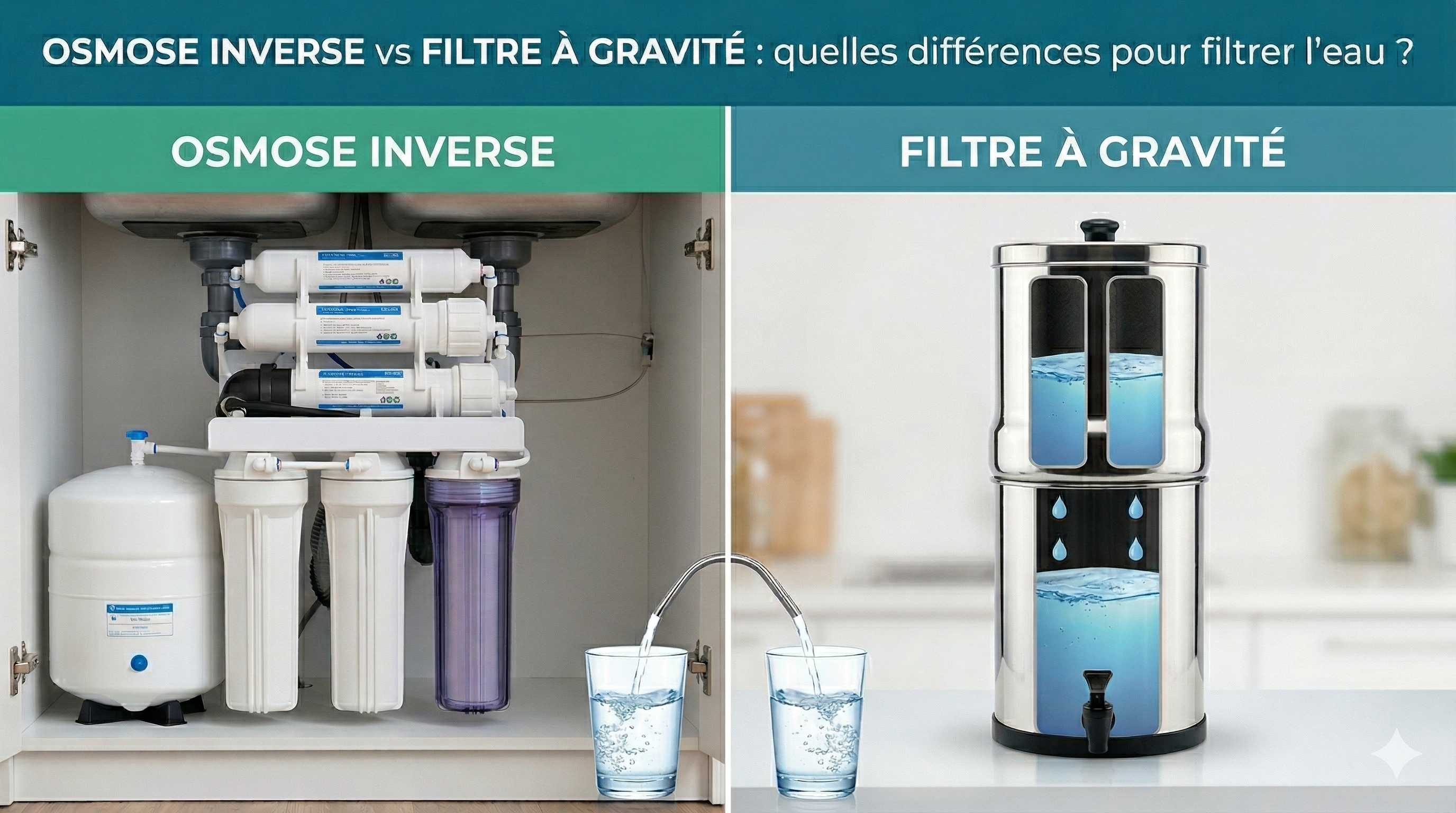
Reverse osmosis or a gravity filter: what are the differences when filtering drinking water? Discover how these two technologies work, along with their advantages and limitations for reducing conta...
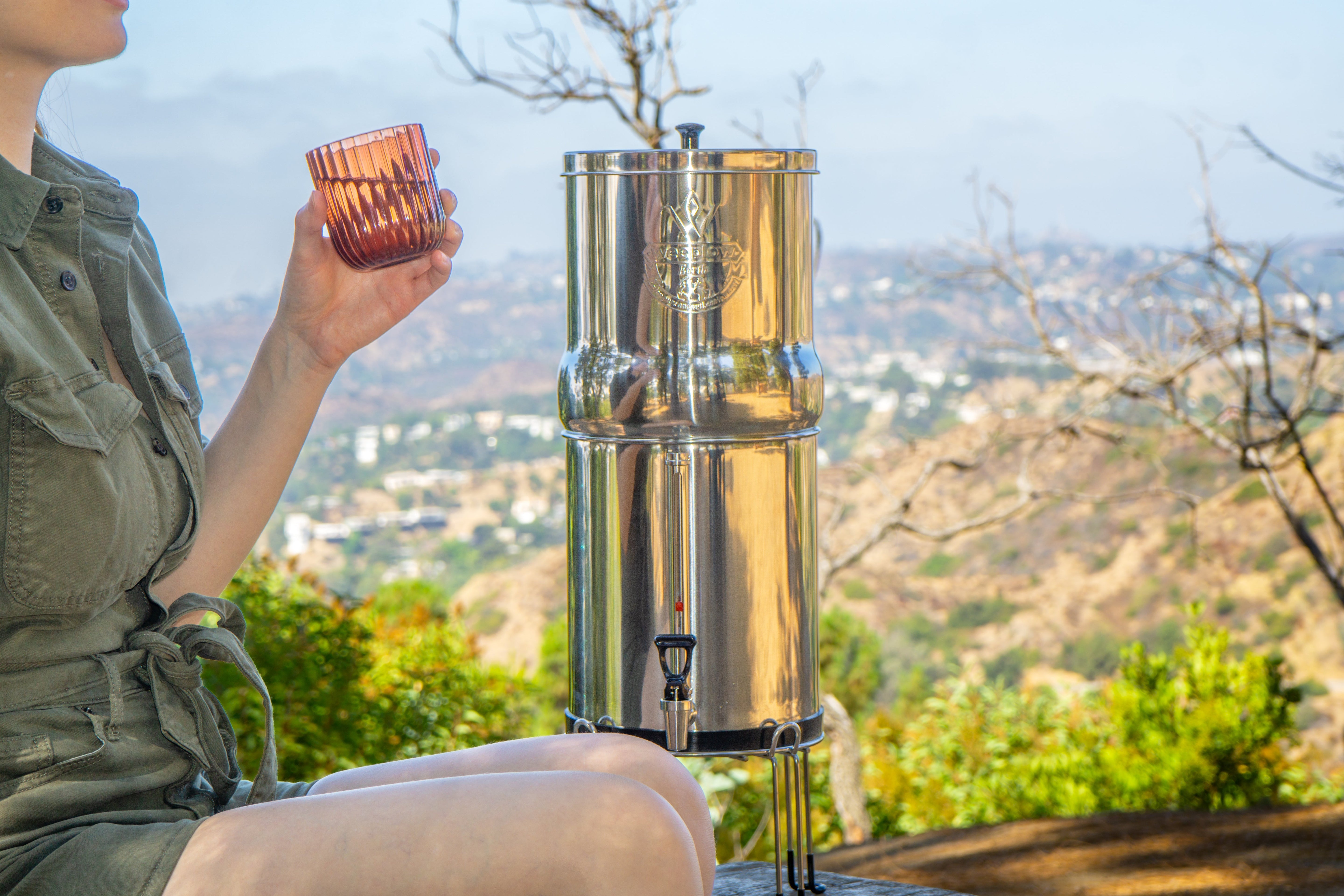
Tap water is often treated to make it drinkable, but it can still contain traces of pollutants. These may include chlorine, pesticides, nitrates and pharmaceutical residues. These substances can ca...