


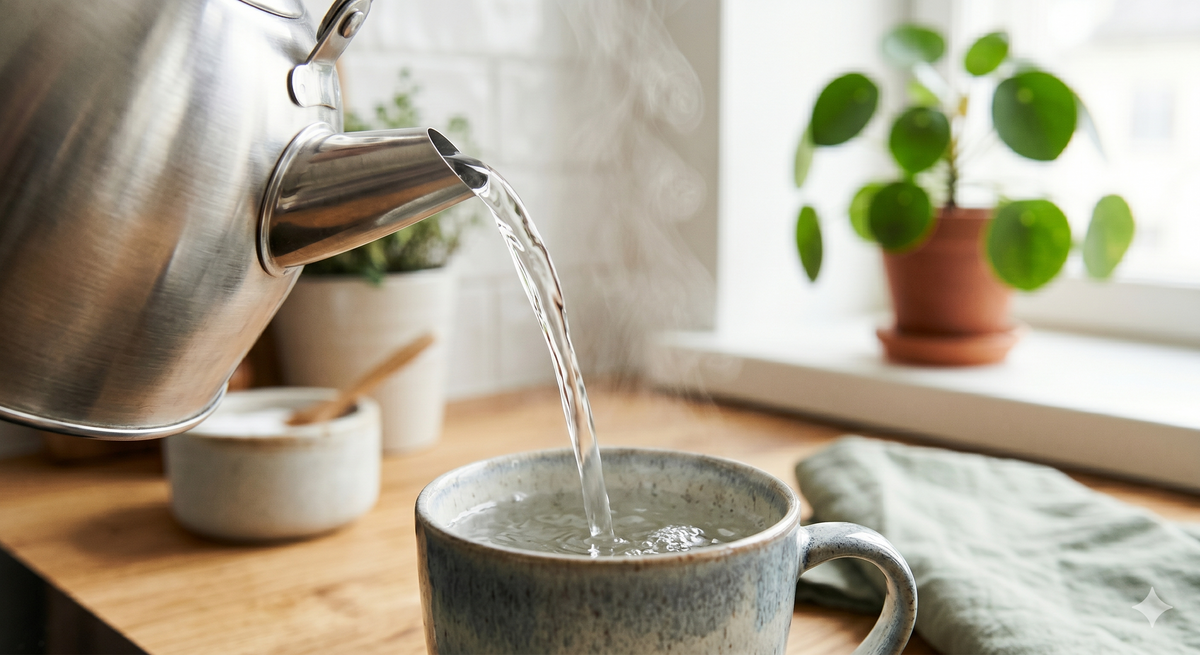
Consigne de faire bouillir l’eau : causes, risques et solutions. Comprenez quand et pourquoi ces recommandations sont émises et comment réagir.
Your Cart
(0 products)
Your cart is empty
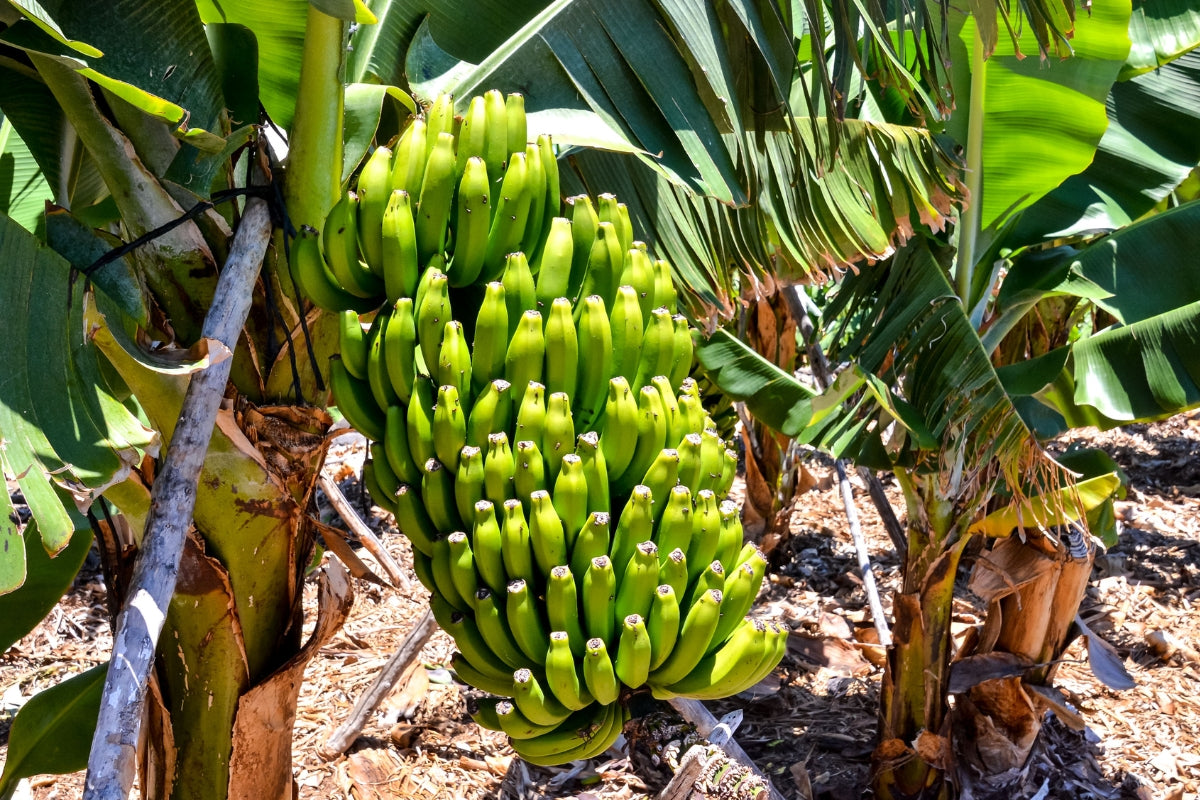
On 11 March 2025, the Paris Administrative Court of Appeal delivered a historic ruling regarding the use of chlordecone in Guadeloupe and Martinique. This pesticide was used extensively in banana plantations in the French Caribbean between 1972 and 1993. It caused long-lasting pollution of soil and water, which affected the health of local populations.
The court recognised that the State had committed failings by authorising the sale and prolonged use of this particularly toxic product. It therefore ordered compensation for victims who can demonstrate anxiety-related harm.
Although chlordecone was banned in the United States as early as 1976 because of its toxicity, its use continued in the French Caribbean until 1993. Authorisations were repeatedly renewed by the French authorities. The Administrative Court of Appeal found that the State had committed failings by granting these sales authorisations and allowing the pesticide’s prolonged use. In addition, it failed to act diligently in assessing the pollution and did not halt its use quickly enough.
The State was also criticised for failing to properly assess the consequences and for not adequately informing the affected population. The ruling of the Administrative Court of Appeal marks a significant step forward by recognising the moral harm of anxiety suffered by people durably exposed to chlordecone pollution. To receive compensation, victims are required to provide concrete evidence demonstrating actual exposure to the pollution as well as a high risk of developing a serious illness.
In this case, out of more than 1,300 claimants, only around ten people received compensation. They had provided blood test results and environmental studies confirming their exposure.

Initially, lawyers for the civil parties welcomed the ruling as a victory. At the same time, they expressed disappointment at the limited number of victims compensated. They regret that the court did not fully take into account the proven effects of chlordecone on public health.
Associations such as Vivre and the Representative Council of Black Associations (CRAN) also shared their frustration at this particularly limited compensation. They considered that the State was not fully acknowledging the scale of this public health scandal. It should be remembered that chlordecone caused major and long-lasting pollution of soil, groundwater and marine environments in Guadeloupe and Martinique.
This situation has inevitably forced farmers to adapt their practices in order to avoid contamination. For example, they have developed soilless cultivation methods and installed livestock infrastructure. The decision of the Paris Administrative Court of Appeal represents a major step in recognising the harm suffered by Caribbean populations exposed to chlordecone for many years.
There has already been judicial recognition of the failings committed by the State in the management of chlordecone in the French Caribbean, along with compensation for victims who can demonstrate anxiety-related harm. Further efforts are still needed, however, to ensure compensation that is both full and fair for everyone affected by this lasting pollution.
Consigne de faire bouillir l’eau : causes, risques et solutions. Comprenez quand et pourquoi ces recommandations sont émises et comment réagir.
Les nitrates dans l’eau du robinet sont fréquents mais invisibles. Découvrez leur origine, les risques potentiels et les solutions pour mieux comprendre votre eau au quotidien.
Les nitrates sont difficiles à détecter sans analyse. Découvrez comment ils se retrouvent dans l’eau du robinet, pourquoi ils sont surveillés et comment tester votre eau simplement.
Les nitrates peuvent être présents naturellement dans l’eau, mais certaines activités, notamment agricoles, peuvent augmenter leur concentration. Découvrez la limite applicable en France, comment v...
Nitrat kommt natürlich in Böden, Pflanzen und Wasser vor. Erhöhte Konzentrationen können jedoch insbesondere im Grundwasser auftreten. Erfahren Sie, wie der Nitratgrenzwert in Deutschland geregelt ...