



Nitrates et méthémoglobinémie : quels risques pour l’eau du robinet ? Comprenez le lien entre ces deux éléments et ce que cela signifie pour votre eau au quotidien.
Your Cart
(0 products)
Your cart is empty
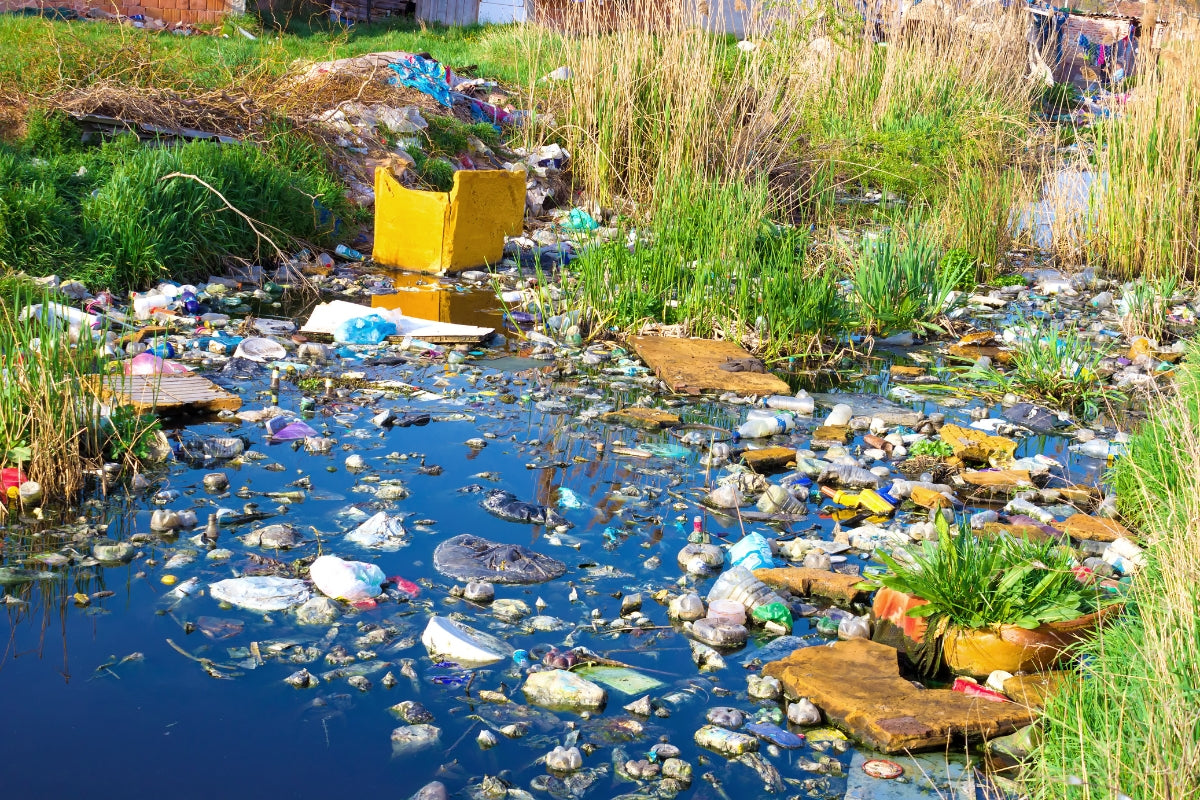
Water pollution is an environmental challenge with wide-ranging consequences. This phenomenon, caused mainly by human activity, damages the quality of our water resources and disrupts aquatic ecosystems. Pollutants, whether chemical, biological or physical, spread through surface water, groundwater and even the soil. This inevitably threatens our health and the balance of natural environments, particularly marine life.
From the molecular level to wider effects on the climate and society, the consequences of water pollution can be seen on many levels. Contaminants such as oil, medicine residues, heavy metals, pesticides and plastics accumulate in living organisms. This causes physiological disruption and chronic illness. The degradation of habitats in seas and oceans leads to biodiversity loss and compromises essential ecosystem services.
Polluted water also creates socio-economic and geopolitical consequences. Clean-up costs place growing pressure on public budgets. Industries that depend on water, such as fishing and tourism, suffer major financial losses. A temporary solution is not enough to deal with the scale of the problem. Conflicts and inequalities are increasing around the world because of tensions linked to access to safe drinking water and water resource management.
Polluted water has alarming effects on human health. Our use of water requires serious attention because it is contaminated by pathogens, toxic substances and pollutants that seep into the ground.
Over the long term, continued exposure to micropollutants such as endocrine disruptors, oil residues, microplastics and nanomaterials is deeply concerning. These substances are suspected of harming fertility, disrupting foetal development and increasing the risk of hormone-related cancers.
When pollutants build up in sufficient quantities in the bodies of parents, they may cause genetic mutations and epigenetic changes in future generations. This increases the vulnerability of future populations to chronic diseases and developmental disorders. Water pollution therefore has a real impact on our children. It is essential to implement prevention, monitoring and water treatment strategies.
We must not lose sight of the goal: protecting public health and ensuring universal access to clean, sustainable water.
The discharge of toxic substances, organic matter and nutrients causes many harmful effects on wildlife and plant life. The most sensitive species are unable to adapt to these hostile conditions. They gradually disappear, leading to irreversible biodiversity loss.

For example, eutrophication caused by excessive nitrates and phosphates from fertilisers and wastewater encourages the spread of toxic algae. These algal blooms create dead zones where marine life is suffocated. Acidification caused by acid rain and industrial discharge also disrupts the balance of freshwater and marine environments. This type of pollution has a direct impact on marine animals.
We should also remember that the degradation of aquatic ecosystems has socio-economic consequences. Overfishing, like water pollution, reduces fish stocks. As a result, millions of people lose the ability to feed themselves and rely on natural resources.
Governments are forced to spend enormous sums on treatment and decontamination. More and more towns and cities are building purification, sanitation and drinking water facilities. The aim is to guarantee access to clean water for the population. The growing costs of these installations are added to waste management expenses, agricultural pollution control and measures to protect aquatic environments.
Economic sectors that depend on water quality, such as fishing, aquaculture, tourism and water-based leisure, are heavily affected, especially in July during the main holiday period. Tourist areas suffer when contamination or eutrophication events occur. The loss of income for businesses can be substantial. A bathing site that cannot open during summer because of an official order responding to pollution loses significant revenue.
Is it possible to protect water resources while supporting economic development?
Levers | Solutions |
Invest in innovative technologies |
|
Promote sustainable farming practices |
|
Promote sustainable industrial practices |
|
Raise public awareness of eco-responsible actions |
|
The presence of pollutants in water encourages conflict between nations as they attempt to control freshwater sources such as rivers, waterways and cross-border lakes. Water management is becoming a strategic issue that requires international cooperation. Populations who rely on the land and face shortages of safe drinking water are forced to migrate to regions where this resource is more abundant and of better quality.
These movements create new demographic pressures and social tensions. Developing countries are particularly affected, as they often lack the capacity to treat and distribute safe water.
For this reason, coordinated action is essential to protect this vital resource and maintain peace and stability. Prevention and treatment programmes could help combat water shortages, but any long-term solution must also address the root causes of pollution, not just temporary effects.
In recent years, global warming has become central to public debate. Wastewater treatment and the management of aquatic waste contribute to greenhouse gas emissions. The planet is changing because human activity fails to tackle pollution at its source. Rising temperatures and reduced rainfall in some regions are leading to droughts and flooding.
This threat harms ecosystems and vulnerable populations alike. Over time, life expectancy may fall and child mortality may rise because natural water sources become contaminated. Infections and waterborne diseases continue to increase.
Given these five consequences of water pollution, awareness campaigns must be implemented on a national and global scale to protect our health, wildlife, food systems and vegetation. The water we use every day is a threatened resource because of human practices, which remain the main source of pollution.

We can take action to improve regulation and care for our planet. For example, you can reduce waste by removing plastic bottles from your daily life.
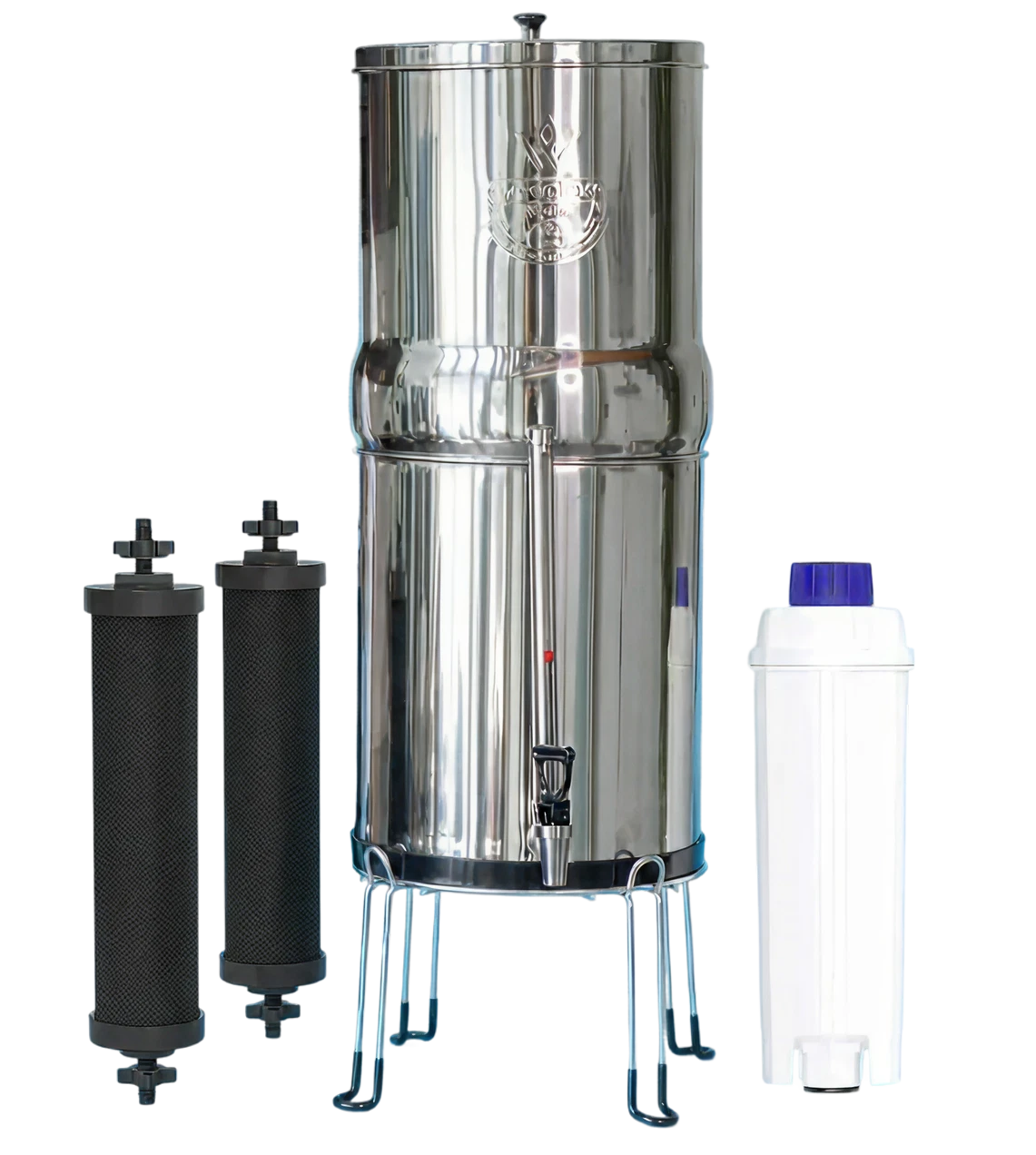
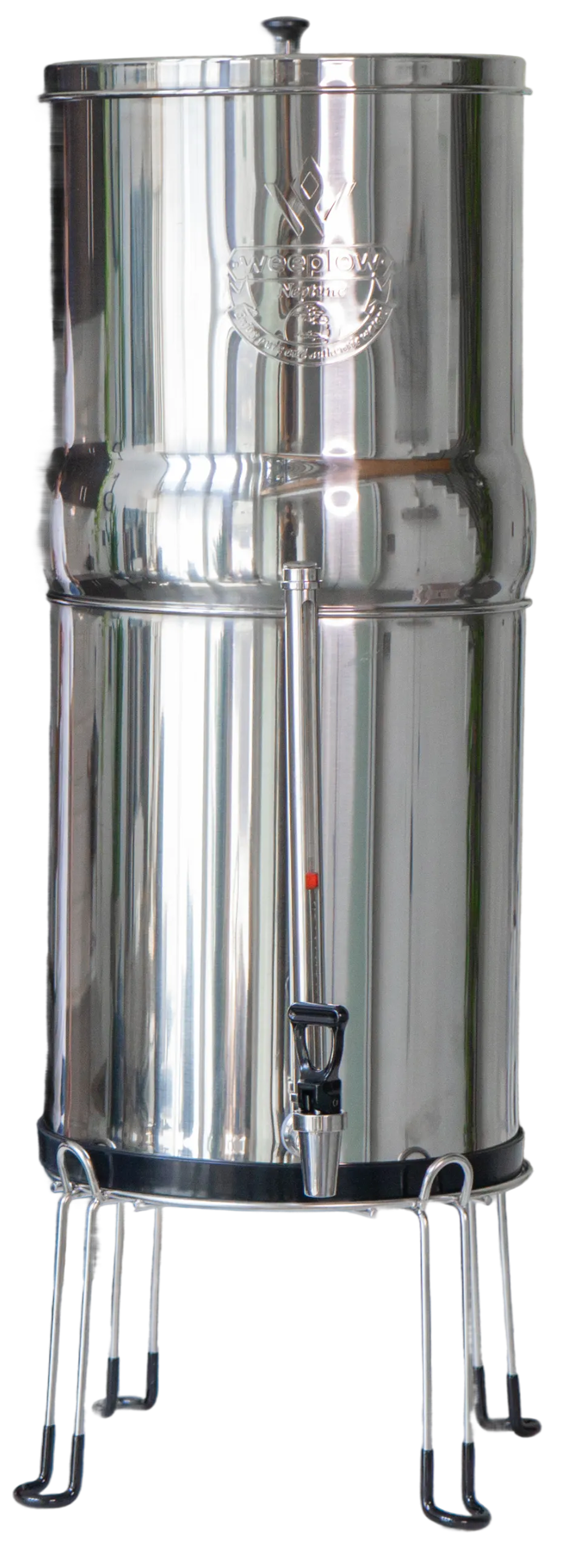
To do this, discover the benefits of a gravity filter combined with an activated carbon filter. It removes 99% of pollutants that harm the planet, fish and people.
Nitrates et méthémoglobinémie : quels risques pour l’eau du robinet ? Comprenez le lien entre ces deux éléments et ce que cela signifie pour votre eau au quotidien.
Researchers are increasingly studying the possible effects of chronic exposure to nitrates in drinking water. Here is what current research actually says about the potential risks associated with l...

Introduction Each year, a French household spends hundreds of euros on bottled water. It is carried home from the supermarket, stored in the kitchen, reassured by the image of mountains on ...
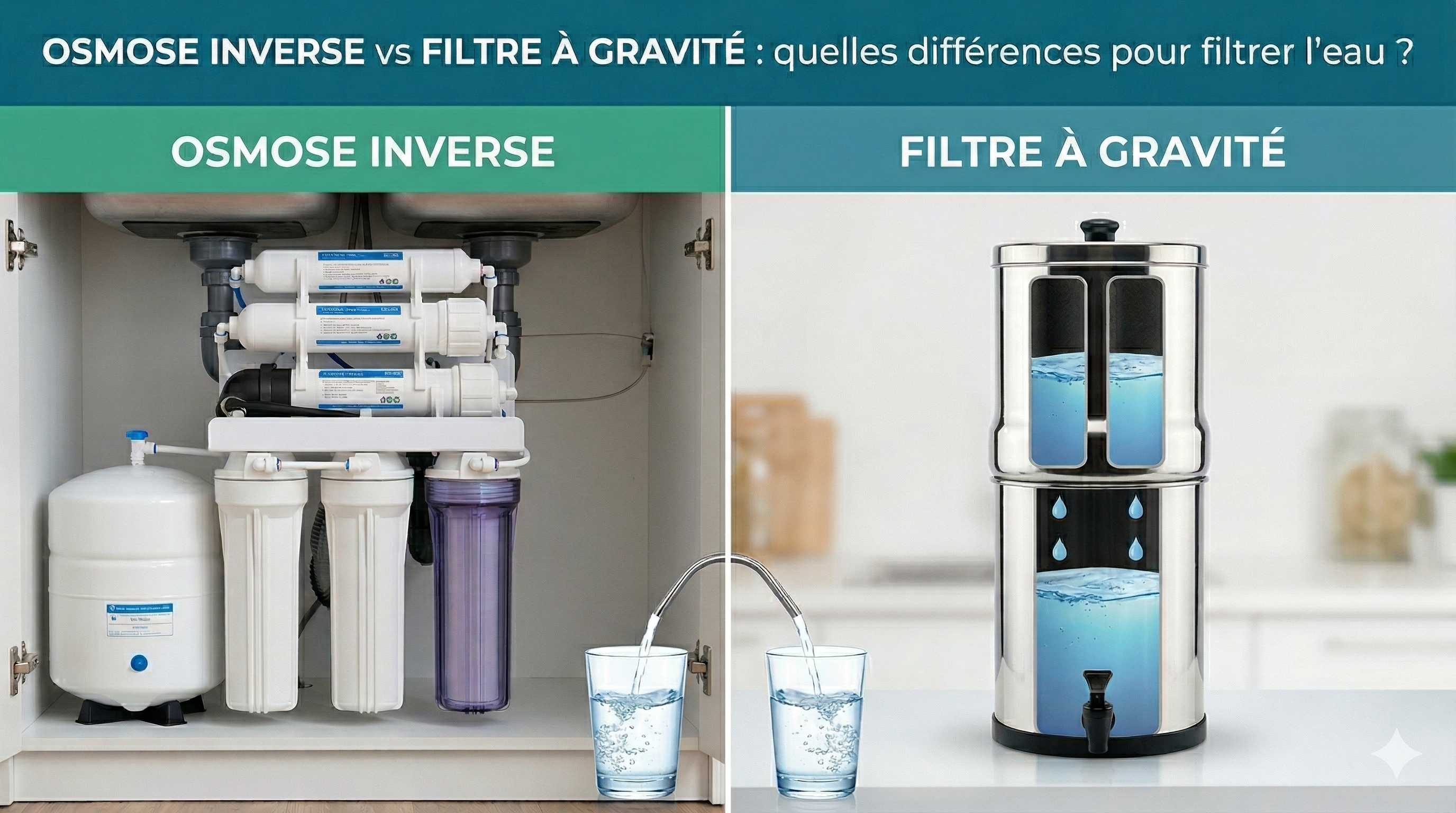
Reverse osmosis or a gravity filter: what are the differences when filtering drinking water? Discover how these two technologies work, along with their advantages and limitations for reducing conta...

Tap water is often treated to make it drinkable, but it can still contain traces of pollutants. These may include chlorine, pesticides, nitrates and pharmaceutical residues. These substances can ca...