


Nitrates et méthémoglobinémie : quels risques pour l’eau du robinet ? Comprenez le lien entre ces deux éléments et ce que cela signifie pour votre eau au quotidien.
Your Cart
(0 products)
Your cart is empty

In a world where drinking water quality is a growing concern, water filtration systems have become increasingly popular. Imagine taking a sip of freshly filtered water, convinced you are making the best choice for your health. But what if that purified water also removed minerals and electrolytes your body needs?
This is a common question for households faced with the wide range of filtration systems now available. From traditional filters to reverse osmosis units and filter jugs, many methods promise cleaner water. But at what cost? Since we are often encouraged to drink more than a litre of water each day, its quality matters greatly.
Minerals such as calcium, magnesium and potassium are inorganic compounds essential to normal body function. Electrolytes are dissolved ions in water that help regulate many physiological processes, including fluid balance and nerve signalling.
The presence of these elements in drinking water can contribute to daily intake, although food usually remains the main source.
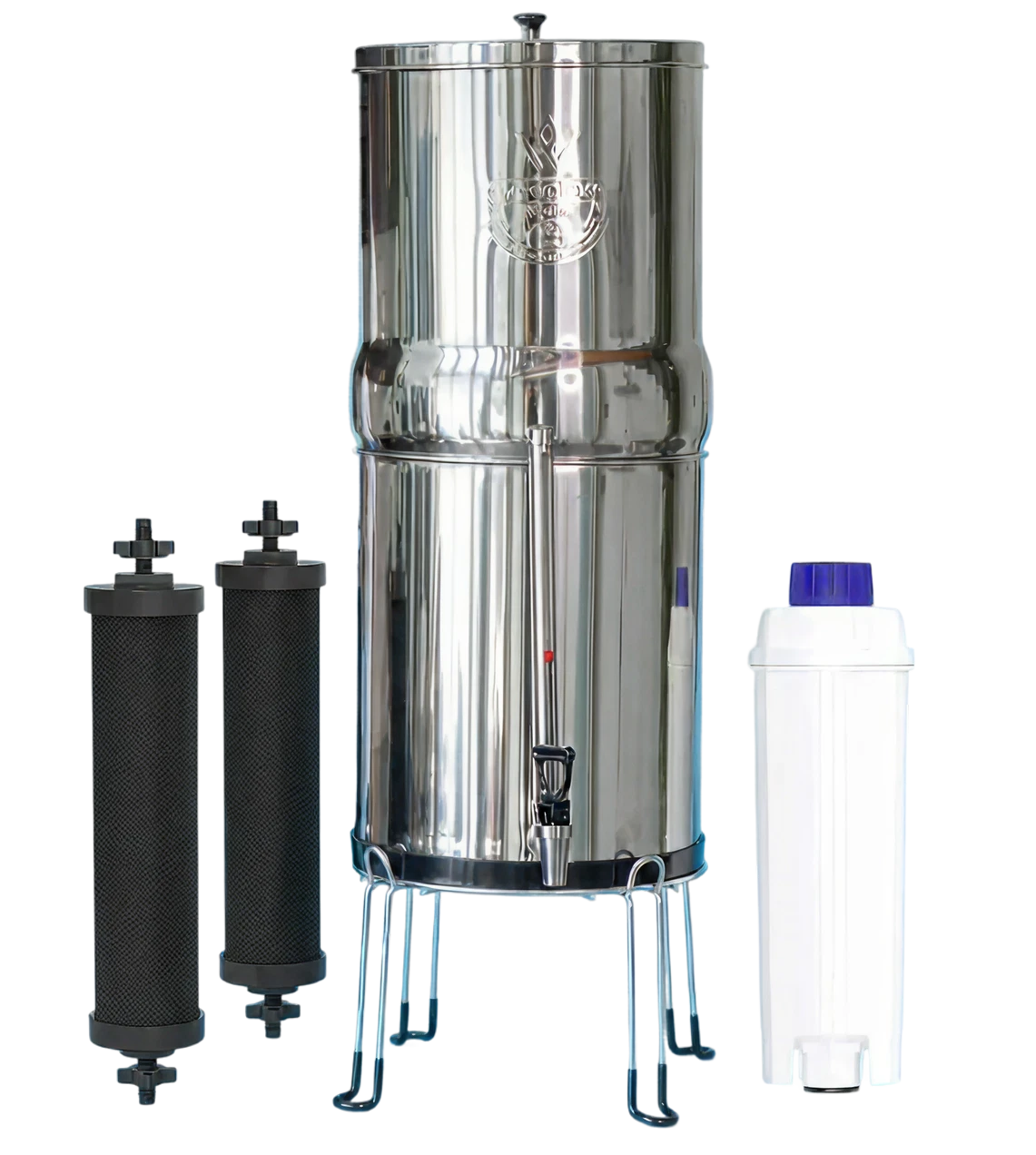
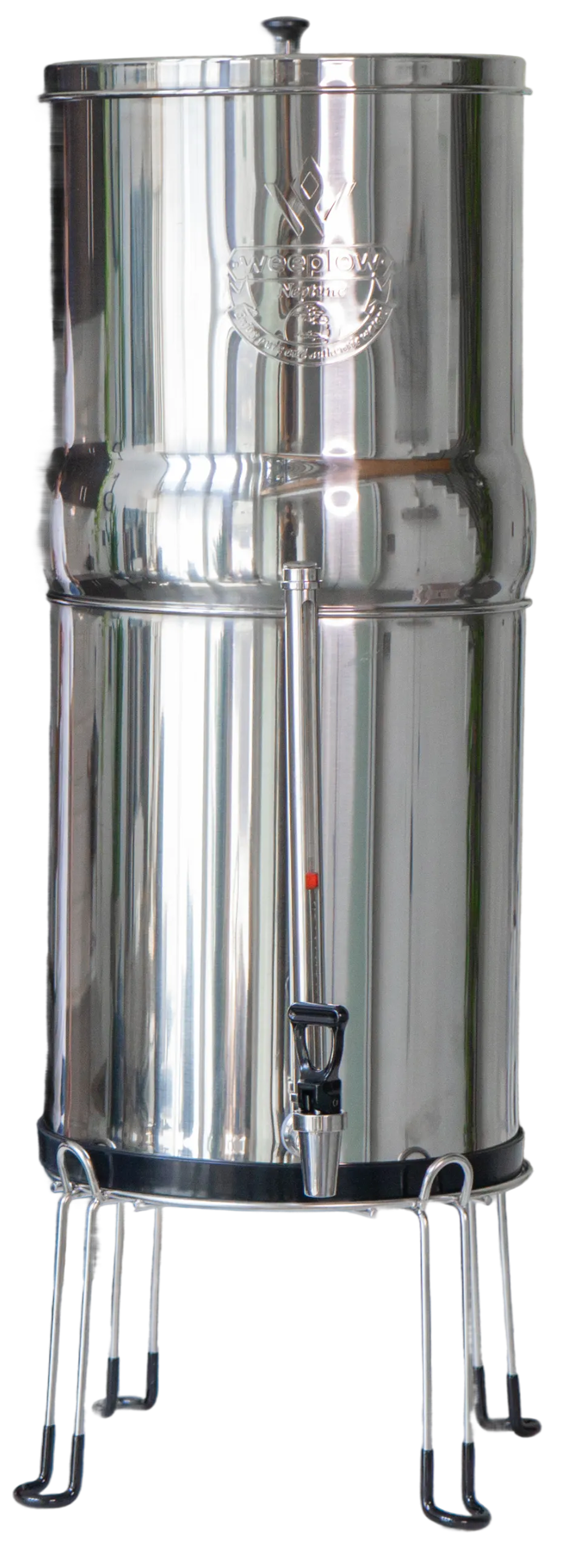
Gravity filters with multi-litre tanks, such as Weeplow systems, use filtration elements designed to reduce contaminants and heavy metals while helping preserve useful minerals. Other methods, such as reverse osmosis, can remove both pollutants and many minerals, which is why remineralisation is sometimes added afterwards.
Natural mineral water or properly filtered tap water can both contribute to hydration and mineral intake, particularly for active people and older adults.
Weeplow gravity filters are designed to remove unwanted contaminants while helping preserve minerals, which many households value.

| Filter Type | How It Works | Impact on Minerals | Effectiveness on Contaminants |
| Gravity Filters (e.g. Weeplow) | Use filter media to reduce contaminants and heavy metals | Usually preserve most minerals | Highly effective across many pollutants |
| Reverse Osmosis | Ultra-fine filtration through a semi-permeable membrane | Removes many minerals as well as contaminants | Excellent for microscopic contaminants |
| Activated Carbon Filters | Adsorb impurities and reduce chlorine | Generally retain minerals | Good for chlorine, taste and some chemicals |
| Distillation | Evaporation then condensation of water | Removes nearly all minerals | Very effective for many contaminants |
| Ceramic Filters | Physical filtration through microscopic pores | Retain minerals | Good against bacteria and parasites |
Yes. Certain systems, especially reverse osmosis, are known for removing dissolved minerals along with contaminants. While this can produce very pure water, it also raises questions about taste and whether remineralisation is desirable.
Reverse osmosis uses a semi-permeable membrane that removes unwanted substances, but also calcium, magnesium and sodium. This can create flatter-tasting water. It may also remove naturally occurring minerals found in spring or mains water.
Minerals and electrolytes help maintain hydration balance and many body functions. Calcium and magnesium support bone health, while sodium and potassium help regulate blood pressure and muscle activity.
Natural mineral water or properly filtered tap water can make a useful contribution, although a balanced diet remains the main source of these nutrients.
Electrolytes such as sodium and chloride also help with muscle contraction and heart rhythm.
To address mineral loss from some systems, remineralisation methods can be used. This may involve dedicated cartridges or manually adding electrolyte drops or mineral blends.
Some systems, such as Weeplow gravity filters, are designed to preserve minerals naturally while reducing contaminants such as pesticides. This can be convenient because no extra preparation step is usually needed.
With reverse osmosis systems, remineralisation cartridges are commonly added after filtration.
The best filtration system depends on source water quality and your personal needs. Gravity filters such as Weeplow models or activated carbon systems often offer a strong balance between contaminant reduction and mineral retention.
For very hard water or more severe contamination, a more robust system may be useful, though remineralisation may then be worth considering.
Testing your mains water can help determine the right level of filtration. In some regions, the public supply already contains adequate minerals, meaning only light filtration may be needed to reduce chlorine and improve taste.
However, there are also concerns in some areas about pollutants in tap water. With suitable filtration, unwanted residues may be reduced while keeping good water quality.

Mineral needs vary between individuals. People who exercise heavily may benefit from water richer in electrolytes to help replace losses through sweat. Older adults may prefer calcium-rich water to support bone health.
It is therefore sensible to choose a filtration system that supports these needs while still providing clean and safe drinking water.
Ultimately, the right choice depends on your water source and personal circumstances. Weeplow gravity filters offer one practical solution for households seeking cleaner water with no electricity and minimal preparation.
The long-term impact of regularly drinking fully demineralised water is still debated and deserves careful consideration from both consumers and water treatment companies.
Nitrates et méthémoglobinémie : quels risques pour l’eau du robinet ? Comprenez le lien entre ces deux éléments et ce que cela signifie pour votre eau au quotidien.
Researchers are increasingly studying the possible effects of chronic exposure to nitrates in drinking water. Here is what current research actually says about the potential risks associated with l...
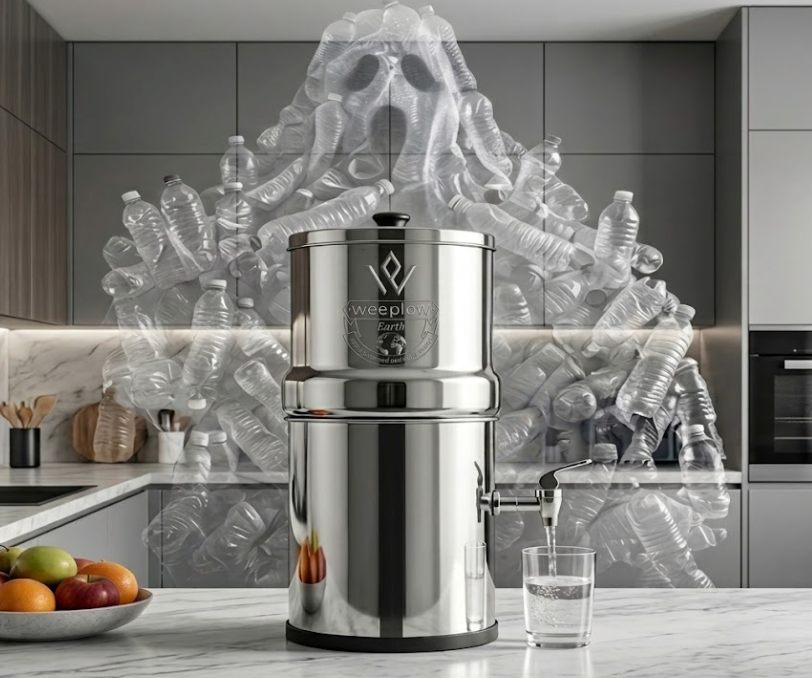
Introduction Each year, a French household spends hundreds of euros on bottled water. It is carried home from the supermarket, stored in the kitchen, reassured by the image of mountains on ...
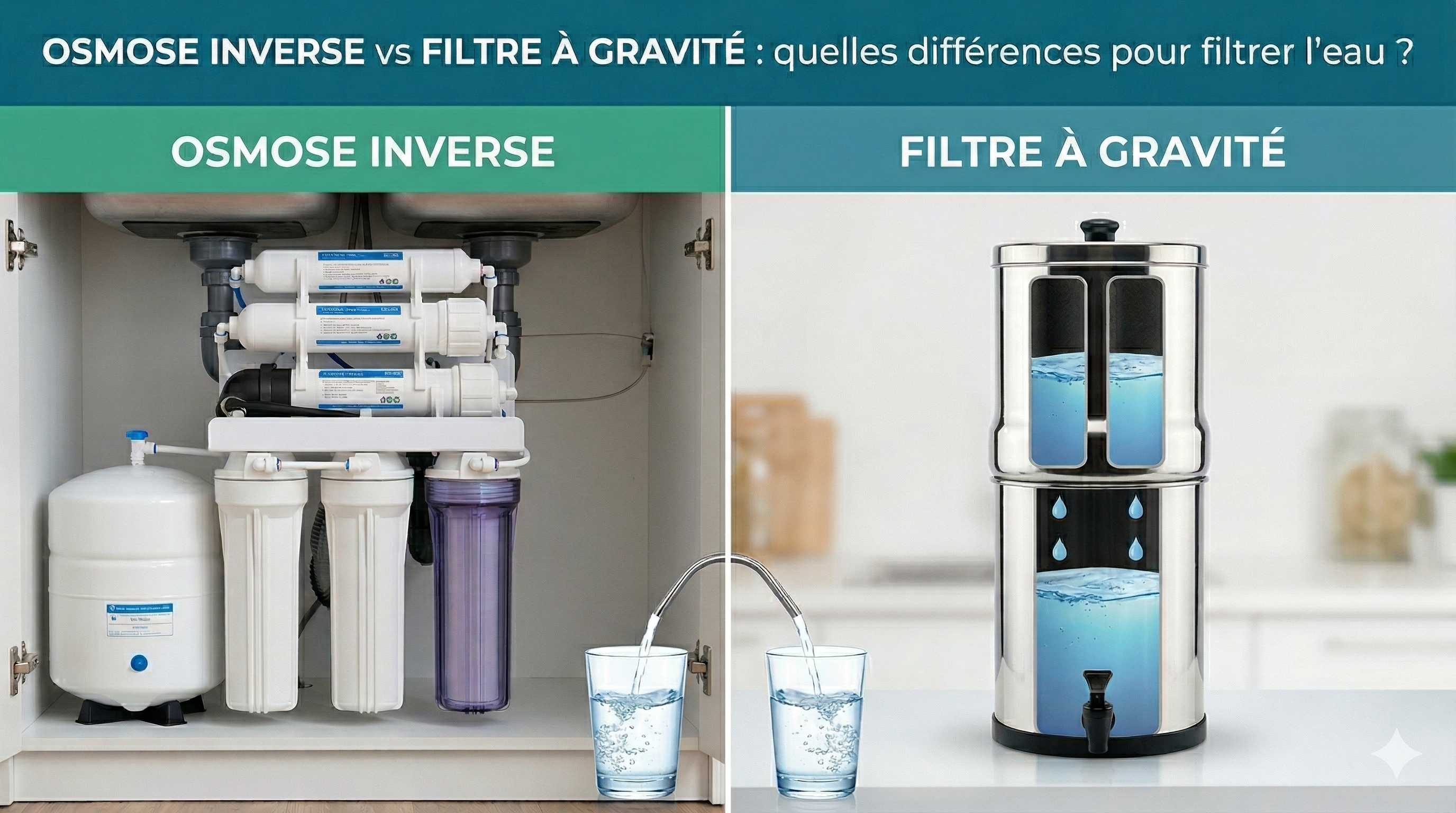
Reverse osmosis or a gravity filter: what are the differences when filtering drinking water? Discover how these two technologies work, along with their advantages and limitations for reducing conta...
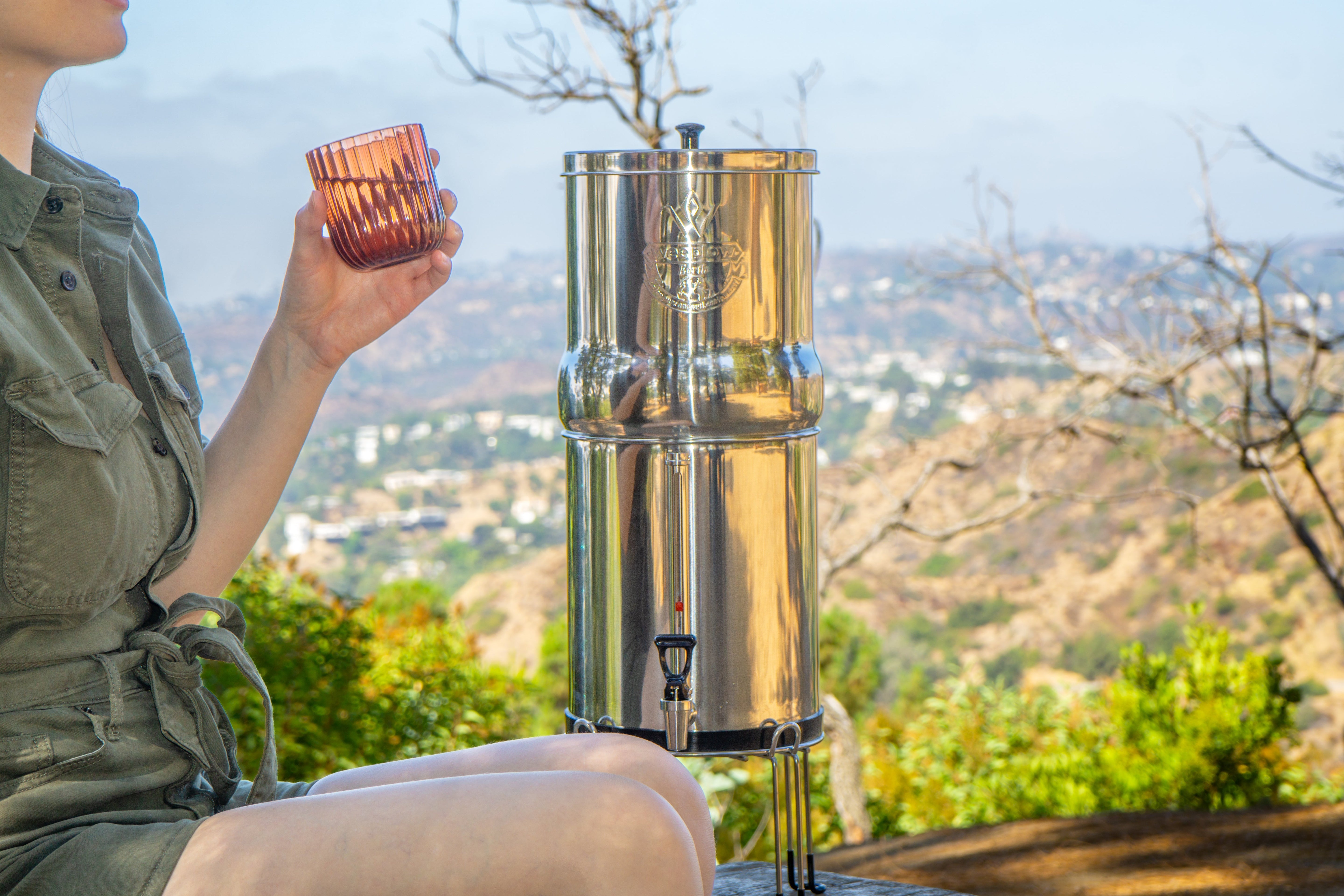
Tap water is often treated to make it drinkable, but it can still contain traces of pollutants. These may include chlorine, pesticides, nitrates and pharmaceutical residues. These substances can ca...