


Consigne de faire bouillir l’eau : causes, risques et solutions. Comprenez quand et pourquoi ces recommandations sont émises et comment réagir.
Your Cart
(0 products)
Your cart is empty
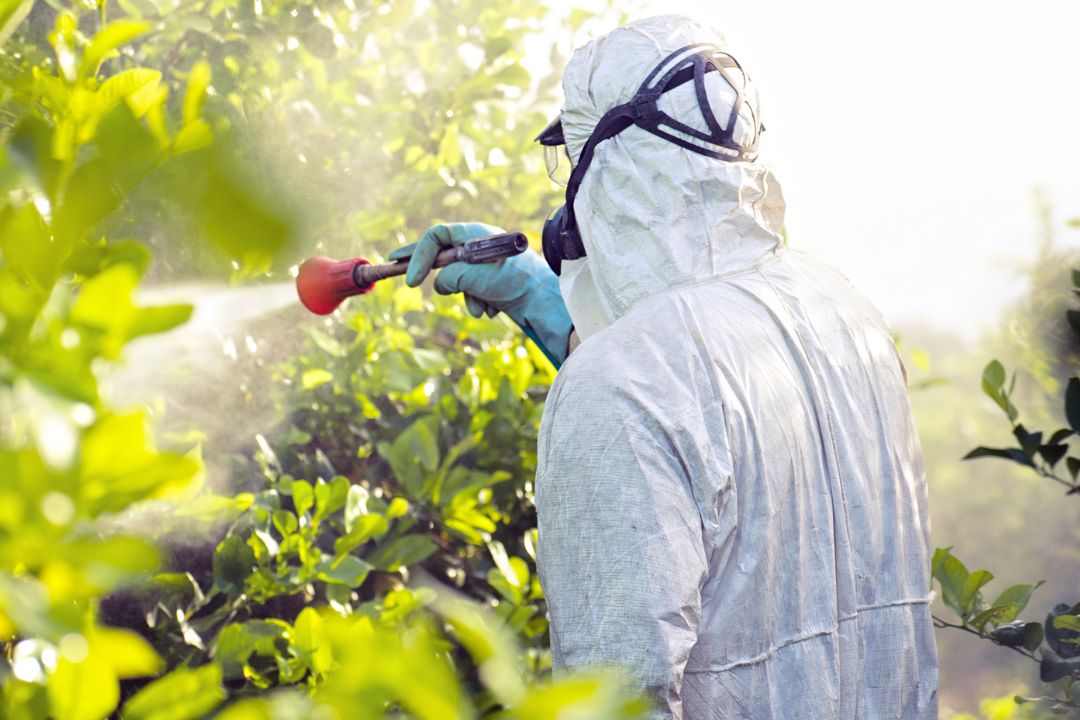
Pesticides are chemical substances designed to kill, repel or control unwanted organisms such as insects, weeds, fungi, bacteria and some animals. They are used in many areas, from agriculture and forestry to domestic gardening. These chemicals can sometimes find their way into the tap water we use every day.
How do pesticides contaminate drinking water? What treatment methods are used to reduce them? In this article, we explore these questions in detail, along with practical ways to help secure cleaner drinking water at home.
While intensive farming is a major source of pesticide contamination, urban and suburban water pollution can also play a role.
Across France and much of the world, intensive agriculture has become widespread. This industrial model can place pressure on soils and natural ecosystems.
To protect crops from pests and weeds, chemical pesticides are often used extensively, sometimes as a preventive measure. Runoff and infiltration from farmland remain one of the main routes by which pesticides reach tap water supplies.
Towns and cities are not immune to pesticide pollution.
Although some domestic weedkiller uses have been restricted, online sales and private use may still occur. Local authorities may also use insecticides in stagnant water to help control mosquitoes. These substances can then enter wastewater systems and the wider environment.
There are several common pathways:
Water taken from rivers, lakes or groundwater sources is not automatically ready to drink. It must go through treatment processes to meet quality standards and consumer needs.
The exact treatment depends on the source water and local regulations, but it often includes several key stages.
For heavily loaded water, settling tanks help remove larger suspended materials such as clay or silt.
Pre-oxidation, often using ozone, may also help reduce iron, manganese, ammonia and some odours while improving later treatment efficiency.
This stage helps remove:
Common methods include:
Additional steps may improve taste, smell and clarity, including:
Used as a complement or alternative to clarification, membrane systems can capture even finer contaminants.
This essential step helps neutralise harmful micro-organisms.
A small amount of disinfectant is often maintained in distribution pipes to help prevent microbial regrowth.
The pH may be adjusted to limit corrosion or scaling in pipes. Some waters are also remineralised for stability and taste.
Because water is essential to everyday life, it is subject to regular monitoring and strict controls.
In France, two key actors are involved:
Other bodies such as ANSES also play an important role in oversight of public network water in France.
Testing typically covers:
France uses a formal response process when tests show pesticide residues above regulatory thresholds.
The operator must act immediately by:
If health risks are identified, authorities may order corrective measures such as blending with cleaner water, connecting to another supply, restricting use for vulnerable groups, or in urgent cases suspending distribution.
Several approaches can help:
Municipal treatment is highly valuable, but ageing pipes or local incidents can still affect water quality.
This is why home filtration solutions are popular for reducing pesticides and even PFAS “forever chemicals”.
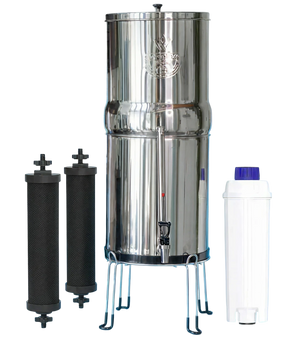
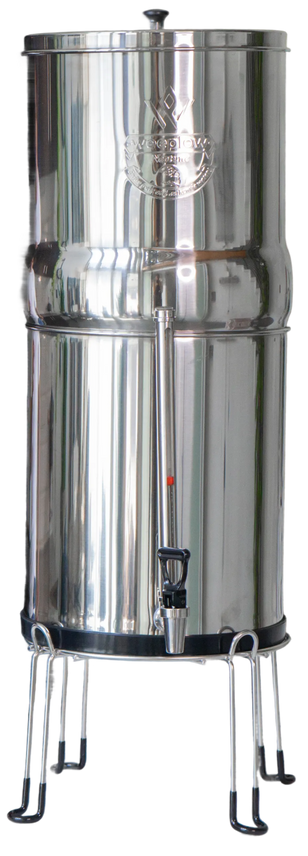
A gravity water filter uses natural downward flow to purify water without electricity. Weeplow offers this solution in several sizes to suit different households.
You simply pour water into the upper chamber, where it passes through filtration cartridges that help reduce impurities and contaminants.
These systems are highly effective not only against pesticides and herbicides, but also many other unwanted contaminants.
Reverse osmosis can also reduce THMs (disinfection by-products) and VOCs often linked to solvents or fuel residues.
However, they usually require a larger upfront investment and professional installation is often recommended.
Pesticides used heavily in agriculture can infiltrate soils and groundwater, affecting drinking water sources. Long-term exposure to some contaminants raises legitimate health concerns.
That is why effective treatment methods, such as activated carbon filtration, can be a sensible option for households seeking extra reassurance.
Using this advanced technology, Weeplow water filtration systems are designed to reduce a wide range of unwanted contaminants. Browse our online shop to find the solution best suited to your needs.
Consigne de faire bouillir l’eau : causes, risques et solutions. Comprenez quand et pourquoi ces recommandations sont émises et comment réagir.
Les nitrates dans l’eau du robinet sont fréquents mais invisibles. Découvrez leur origine, les risques potentiels et les solutions pour mieux comprendre votre eau au quotidien.
Les nitrates sont difficiles à détecter sans analyse. Découvrez comment ils se retrouvent dans l’eau du robinet, pourquoi ils sont surveillés et comment tester votre eau simplement.
Les nitrates peuvent être présents naturellement dans l’eau, mais certaines activités, notamment agricoles, peuvent augmenter leur concentration. Découvrez la limite applicable en France, comment v...
Nitrat kommt natürlich in Böden, Pflanzen und Wasser vor. Erhöhte Konzentrationen können jedoch insbesondere im Grundwasser auftreten. Erfahren Sie, wie der Nitratgrenzwert in Deutschland geregelt ...