


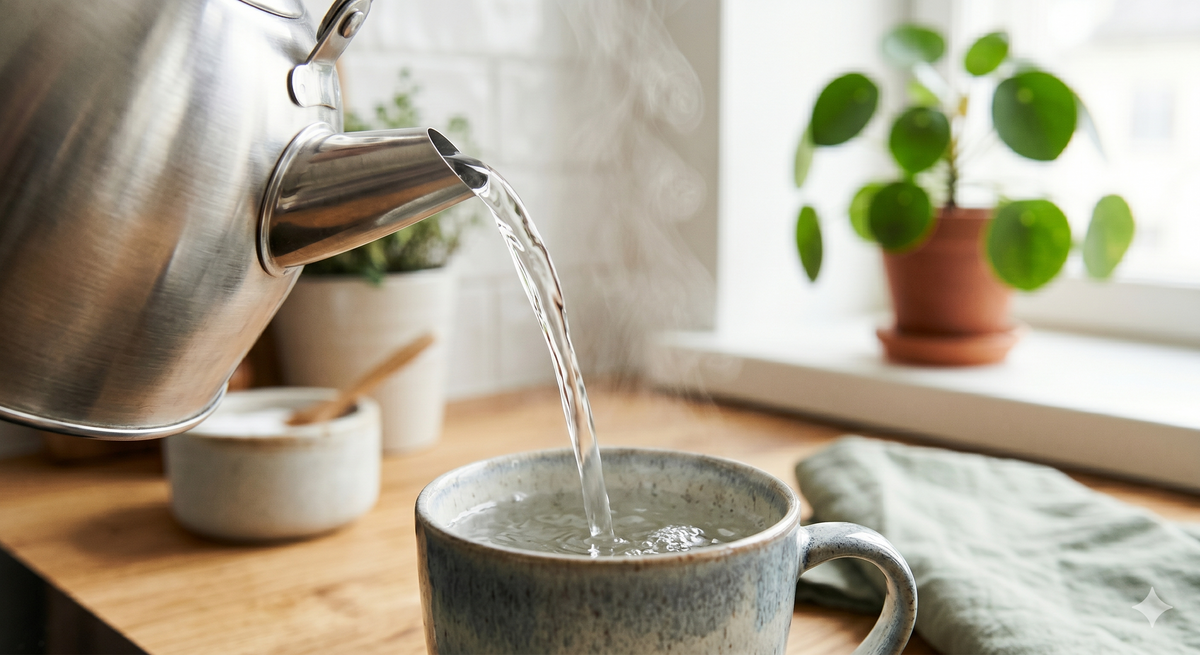
Consigne de faire bouillir l’eau : causes, risques et solutions. Comprenez quand et pourquoi ces recommandations sont émises et comment réagir.
Your Cart
(0 products)
Your cart is empty
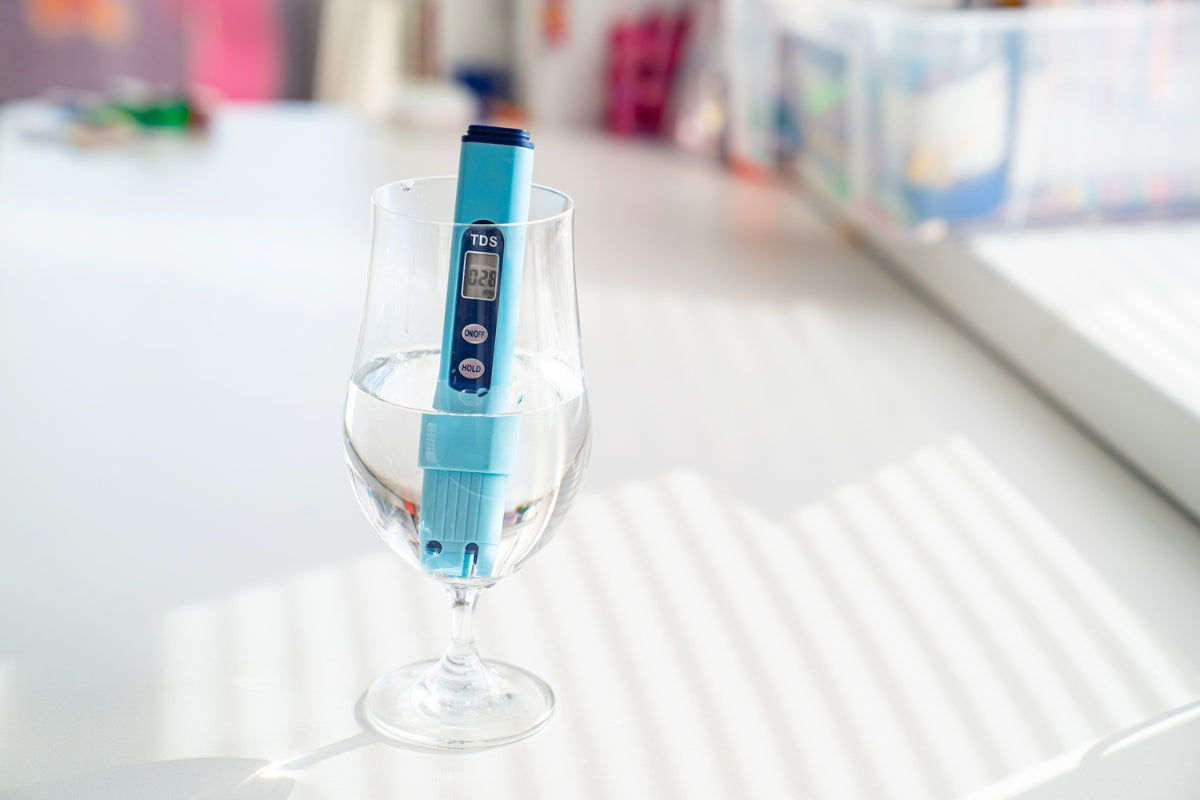
Alkaline water has attracted growing interest in the health world and wider wellness market. This ionised water, with a pH above 7, is often presented as a miracle solution or health product, offering many supposed benefits for the body. Supporters claim it may improve hydration, strengthen the immune system and even slow ageing.
Experts continue to debate the real effects of alkaline water. Can it help prevent certain illnesses? Does it offer meaningful protection? Some studies suggest possible positive effects, such as reducing acidity and supporting healthy circulation. However, many specialists remain sceptical because the scientific evidence is still limited.
Our aim is therefore to examine both the facts and the myths surrounding the claimed health benefits of alkaline water. Based on current research and expert opinion, we aim to separate evidence from marketing and assess whether the enthusiasm is justified.
Two fairly simple methods are commonly used to produce alkaline water. One option involves machines fitted with electrodes.
Some natural waters are alkaline when they come from high-pH sources. These may originate from deep groundwater reserves or volcanic regions.
Water ionisers use electrolysis to separate the water into two streams: one rich in alkaline minerals and one acidic. Typically, the pH reaches between 8 and 10.
Main characteristics often used to identify alkaline water:
Although some people attribute many benefits to alkaline water — better hydration, improved digestion, detoxification, reduced inflammation and protection against chronic disease — scientific evidence remains limited.
Further research is needed to confirm such claims and assess any potential risks. At present, it is difficult to determine whether alkaline water genuinely helps with infection, digestive disorders or other health conditions.
It is not surprising that alkaline water is often discussed among supposedly healthy drinks. Some advocates claim improved physical performance, especially when paired with a balanced diet. In reality, the evidence supporting these claims remains limited or controversial.
Hydrogen-rich alkaline water may help neutralise free radicals linked to oxidative stress and some stomach-related concerns. Some studies have shown promising results regarding symptoms of acid reflux. However, most of this research is preliminary and lacks depth. Larger and more rigorous clinical trials would be welcome.
| Study | Main Conclusion |
| Koufman (2012) | Alkaline water (pH 8.8) may deactivate pepsin and help relieve reflux symptoms. |
| Weidman (2016) | Consumption of alkaline water may reduce blood viscosity after exercise and potentially improve tissue oxygenation. |
| Fenton & Huang (2016) | Evidence for the health benefits of alkaline water is insufficient and sometimes contradictory. |
The pH of alkaline water may influence the balance of the gut microbiome. It could potentially support the growth of certain bacteria. One study in mice suggested that water with a pH of 8.2 encouraged the development of Bifidobacterium and may have supported gut barrier function.
Although these results are interesting, they should be treated cautiously. It is far too early to conclude that alkaline water can regulate digestive health in humans.
Athletes and fitness enthusiasts sometimes use alkaline water in the hope of improving performance and recovery. Some believe it may help reduce exercise-related acidity and combat muscular fatigue.
Another study suggested that drinking water with a pH of 9.3 before and after intense exercise may reduce markers of oxidative stress and muscle damage. However, other research has failed to find any significant benefit for performance or recovery.
For healthy individuals, drinking alkaline water produced by systems such as Kangen is not generally considered dangerous. However, it is wise to remain sceptical of miracle claims promoted online or by influencers.
If you have a medical condition or concerns, speak with your doctor rather than relying on wellness marketing.
As this article shows, enthusiasm around alkaline water should be approached carefully. Many near-miraculous claims are repeated, yet these statements are not supported by strong scientific evidence. More high-quality research is needed before broad health claims can be made.
Myth 1: Alkaline water can prevent or cure cancer.
Fact: No study has shown that drinking alkaline water prevents or treats cancer.
Myth 2: Drinking alkaline water is the best way to alkalise the body.
Fact: The human body naturally regulates blood pH regardless of the water consumed.
Myth 3: Alkaline water is always beneficial.
Fact: Excessive consumption may contribute to mineral imbalance in some circumstances.
With this type of drink, it is important not to ignore the risks of overconsumption. An occasional glass is unlikely to matter, but higher long-term intake may be problematic in certain cases. Excessive alkaline mineral intake may place extra strain on the kidneys or contribute to metabolic alkalosis.
Alkaline water does contain minerals and may be enjoyable to drink, but there are many other proven ways to support health without chasing pH-based promises.
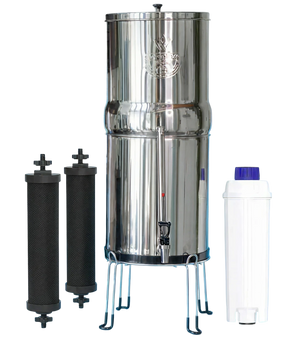
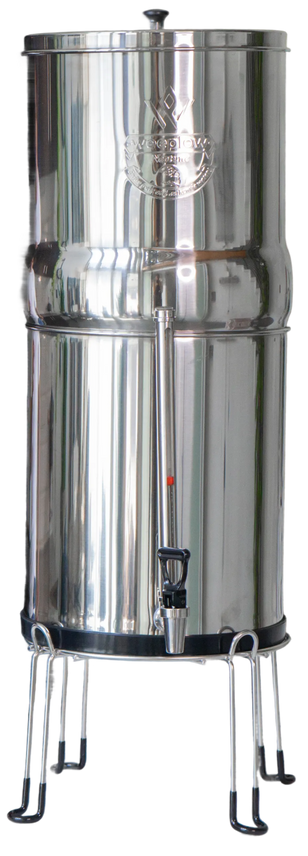
At Weeplow, we offer a gravity water filter combined with activated carbon filtration. This combination helps because it reduces heavy metals and contaminants such as pesticides by up to 99%. The system is simple: fill the upper tank with tap water, stream water, seawater or spring water, and gravity does the rest. No electricity is required, making it easy to transport and practical almost anywhere.
The most reliable truth is simple: drink quality water with fewer pollutants and maintain a balanced diet. That remains one of the best ways to support health and hydration. Filtered water from this method is often a more practical choice than bottled water, mineral water or fashionable alternatives.

Mineral-enriched alkaline water attracts strong interest, but research remains limited and it has not been clearly proven to deliver major health benefits. A more grounded approach is to choose high-quality water with fewer pollutants, such as properly filtered water.
Whether choosing food or drinks, always look at origin, labels and exaggerated claims. The same principle applies to sparkling water, antioxidant products and health trends in general. Build your own informed view and be cautious of miracle solutions.
Adopt a healthy lifestyle with regular exercise and balanced habits rather than relying on an alkaline diet. That remains one of the most dependable ways to stay well and feel energised.
Consigne de faire bouillir l’eau : causes, risques et solutions. Comprenez quand et pourquoi ces recommandations sont émises et comment réagir.
Les nitrates dans l’eau du robinet sont fréquents mais invisibles. Découvrez leur origine, les risques potentiels et les solutions pour mieux comprendre votre eau au quotidien.
Les nitrates sont difficiles à détecter sans analyse. Découvrez comment ils se retrouvent dans l’eau du robinet, pourquoi ils sont surveillés et comment tester votre eau simplement.
Les nitrates peuvent être présents naturellement dans l’eau, mais certaines activités, notamment agricoles, peuvent augmenter leur concentration. Découvrez la limite applicable en France, comment v...
Nitrat kommt natürlich in Böden, Pflanzen und Wasser vor. Erhöhte Konzentrationen können jedoch insbesondere im Grundwasser auftreten. Erfahren Sie, wie der Nitratgrenzwert in Deutschland geregelt ...