


Nitrat kommt natürlich in Böden, Pflanzen und Wasser vor. Erhöhte Konzentrationen können jedoch insbesondere im Grundwasser auftreten. Erfahren Sie, wie der Nitratgrenzwert in Deutschland geregelt ...
Your Cart
(0 products)
Your cart is empty
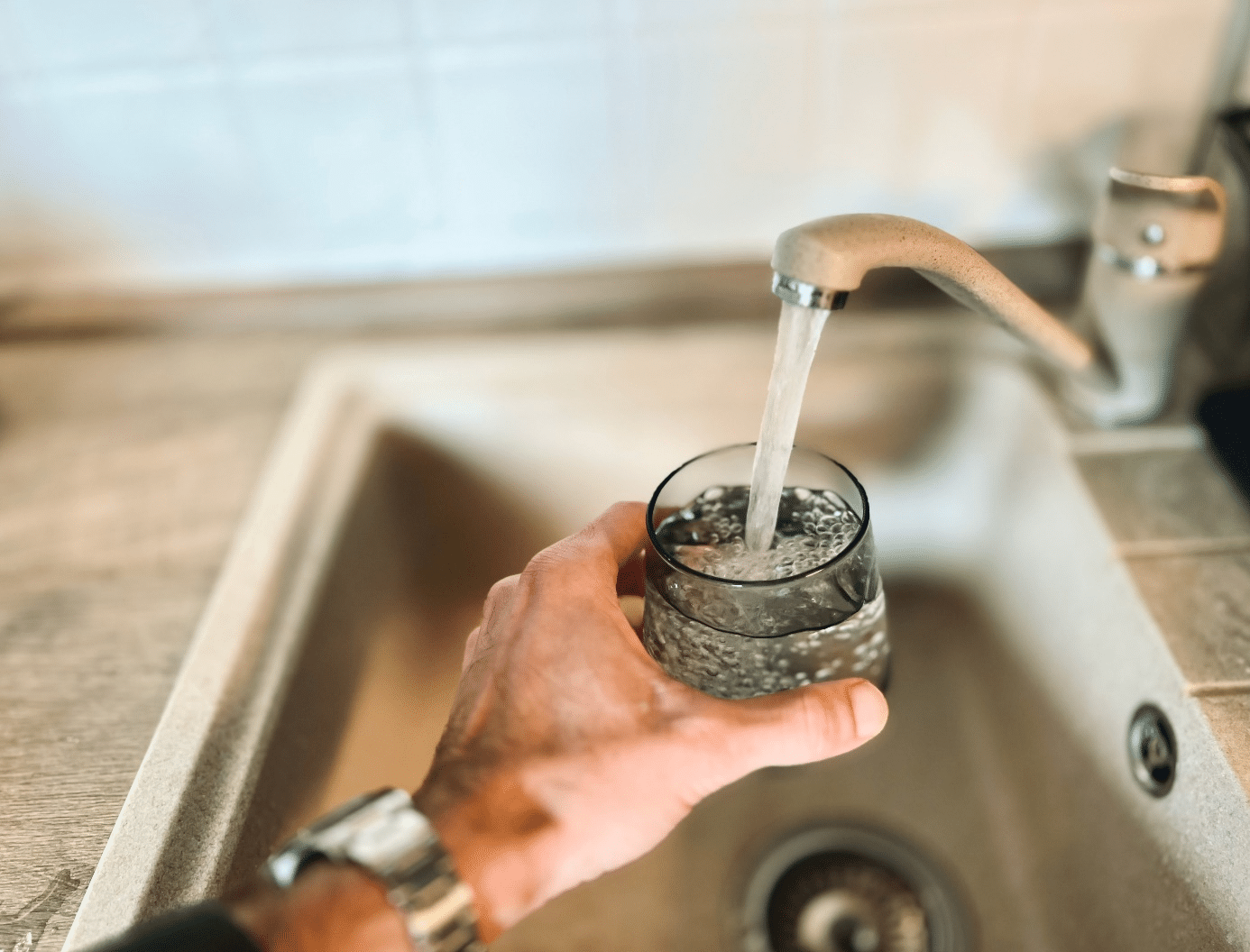
Water is life. We all know the saying. Yet in several towns and cities across France, water from the public supply does not always live up to it. Long considered the healthiest drink, water from the public network in France is now causing growing mistrust among an increasing number of people. Between scandals and revelations, many French households feel pushed towards alternative solutions to meet their drinking water needs. In this article, we explore the issue and take you behind the secrets hidden in the liquid flowing from your tap. Is it really safe to drink? Is it wise to use tap water directly for drinking and cooking? Should you consider other options? Without bias and with complete honesty, here are some answers.
It all began in the 19th century. To serve growing urban populations, drinking water networks began to be developed. Within a few years, these networks expanded considerably and most households gained access to drinking water.
The treatment process is divided into four essential stages: collection or abstraction from the natural environment, treatment to make it drinkable (filtration, settling and disinfection) at processing facilities, storage in dedicated infrastructure, and final distribution.
Today, France has 996,000 km of water pipes used for distribution in an effort to supply the 54 m3 each resident is expected to consume on average every year, or around 150 litres per day. That said, it is worth examining how tap water is monitored.
Let us begin with the basics. In France, tap water is subject to strict monitoring and health controls. Regulations require continuous supervision of drinking water, from the moment it is taken from the environment to its arrival at the consumer’s tap. To achieve this, standards have been established, which fall into two main categories:
Yet for more than ten years, thanks to improved testing methods, cases of non-compliant water quality have multiplied in several regions of France. In 2004, average daily tap water consumption per person was 165 litres. By 2021, this had fallen to 150 litres, a decrease of 15 litres per person per day.
Although these figures may appear minor, they reflect a shift in behaviour whose causes are not difficult to guess. According to the 25th annual Kantar barometer for C.I.eau, nearly 85% of French people trust tap water, appreciating its stability over the past decade. While this may sound positive, it also means that around 15% no longer trust tap water and believe its quality has declined.
As a result, around 75% of French people have become “mixed drinkers”, using both tap water and bottled water. More strikingly, 48% drink bottled water every day. In short, many people in France are now wary of tap water.
A survey by the Commissariat général au développement durable found that people aged over 50 are more inclined towards bottled water. However, the choice of drinking water depends less on demographics and more on how tap water quality is perceived.
Even though quality controls have been strengthened since 2020 following ministerial guidance, it must be said clearly that drinking water can sometimes contain bacteria, viruses, parasites and compounds such as nitrates that make it unsuitable for consumption.
For example, a report published by the Centre d’Information sur l’Eau states that nearly 6% of the French population, or around 3.9 million people, received non-compliant water at least once in 2019. That same year, several thousand people were banned from using tap water for drinking because it contained pesticides above legal quality limits.
It has also been established that water accounts for 5 to 10% of pesticide exposure. Worse still, the past decade has seen an increase in non-compliant drinking water situations affecting part of the population.
For consumers, this represents a significant health risk, especially as it can lead in the short term to poisoning and gastrointestinal disorders, and more serious issues among vulnerable groups such as infants and pregnant women. But that is not all.
A recent investigation by journalist Martin Boudot exposed an environmental and health scandal in the municipality of Pierre-Bénite. The water, soil and air there were found to contain high levels of perfluorinated compounds, complex chemicals often described as “forever pollutants” because they do not break down in the environment and may weaken the immune system and even contribute to cancer.
In general, declining public water quality can be explained by several factors:
Everyone knows it is important to drink around 1.5 litres of water per day to meet the body’s hydration needs. Yet mistrust of public water quality is growing, and according to the Commissariat général au développement durable, demand for bottled water has tripled over the past three decades, while more than 20% of household water consumption now relies on a domestic filtration system.
Tap water receives many criticisms. This may relate to its unpleasant taste caused by limescale, its bad smell linked to noticeable chlorine content, or concerns about drinking water containing chemical compounds harmful to the body. Bottled water has therefore become the preferred option for many households.
In Paris, for example, nearly 65% of lower-income households drink bottled water, compared with 54% of higher-income households. This shows the issue is not income level, but perception of tap water quality. Tap water is more commonly consumed in rural areas and in south-eastern France, where views are less critical. However, households with children often favour alternatives to tap water.
Today, according to Ipsos surveys, more than 81% of French people—especially women, those aged over 35 and Parisians—recognise the benefits of using water filters. Water filtration involves passing water through a removable system where impurities are trapped while clean water flows through.
According to respondents, water filters help to:
Although water filters are not yet universally adopted to improve tap water quality, these purification systems are particularly well known and used among Parisians and retirees. Their slower adoption elsewhere seems mainly due to a lack of retail availability or limited awareness. However, it is clear that water filters are likely to become increasingly popular over time.
Nitrat kommt natürlich in Böden, Pflanzen und Wasser vor. Erhöhte Konzentrationen können jedoch insbesondere im Grundwasser auftreten. Erfahren Sie, wie der Nitratgrenzwert in Deutschland geregelt ...
Nitrate can occur naturally in water, but higher concentrations can come from sources such as agriculture and wastewater. Learn how drinking-water limits work, where nitrate comes from, how to test...
Nitrates et méthémoglobinémie : quels risques pour l’eau du robinet ? Comprenez le lien entre ces deux éléments et ce que cela signifie pour votre eau au quotidien.
Researchers are increasingly studying the possible effects of chronic exposure to nitrates in drinking water. Here is what current research actually says about the potential risks associated with l...
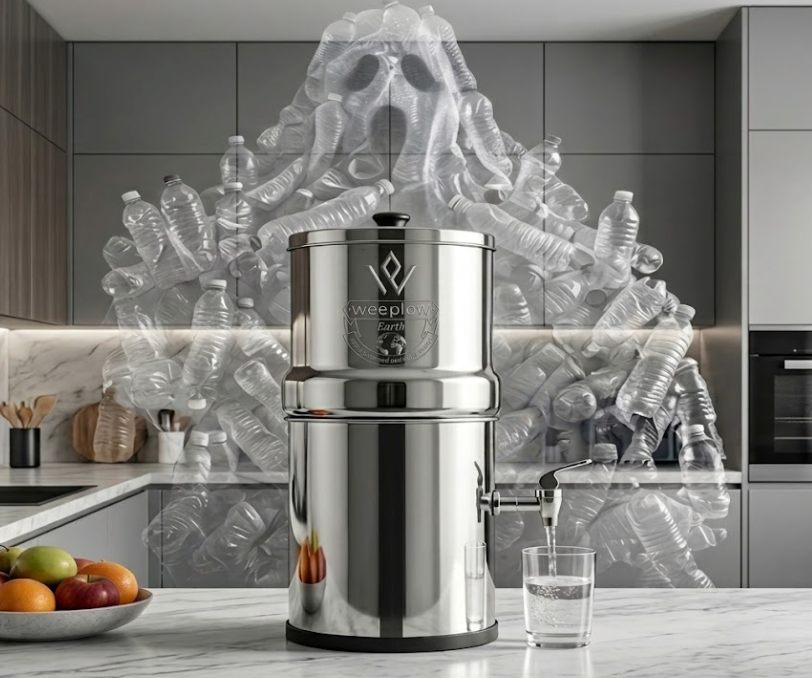
Introduction Each year, a French household spends hundreds of euros on bottled water. It is carried home from the supermarket, stored in the kitchen, reassured by the image of mountains on ...