



“Blue baby syndrome” is one of the key reasons nitrate levels in drinking water are regulated. Here’s how it works—and why it still matters today.
Panier
(0 article)
Votre panier est vide

Across the UK, tap water is among the most closely monitored in the world. Yet in recent years, growing attention has been paid to a group of persistent chemicals known as PFAS—and what their presence means for long-term health.
In this article, we explain how PFAS are regulated and monitored in the UK, what protections are already in place, and why many households choose an additional layer of filtration for peace of mind.
PFAS (per- and polyfluoroalkyl substances) are a large family of synthetic chemicals used for decades in products such as non-stick cookware, stain-resistant fabrics, food packaging, and certain industrial processes.
They are often referred to as “forever chemicals” because they:
Scientific research continues to examine potential links between long-term PFAS exposure and effects on cholesterol levels, immune response, and other health outcomes. As with many environmental contaminants, the concern is not immediate toxicity, but cumulative exposure over many years.

Unlike some countries that focus on blanket bans, the UK takes a risk-based, evidence-led approach to drinking water safety.
Public water supplies in the UK are governed by the Water Supply (Water Quality) Regulations, which require that water provided to households be wholesome and safe for consumption.
Water companies are obligated to:
Oversight is provided by the Drinking Water Inspectorate (DWI), which independently audits water companies and enforces compliance.
PFAS are considered within this framework as part of ongoing chemical risk assessment, rather than as a single fixed parameter.
The UK does not currently apply a single, legally binding numerical limit for “total PFAS” in drinking water. Instead, it relies on health-based guidance values informed by toxicological research.
Key public bodies involved include:
These organisations assess:
When levels approach thresholds of concern, water companies are expected to investigate sources, optimise treatment, and reduce concentrations. This approach reflects a precautionary commitment to public health, even as scientific understanding continues to evolve.
Following Brexit, the UK established its own chemical regulatory system known as UK REACH, overseen by DEFRA and the Health and Safety Executive.
Within this framework:
This means PFAS regulation in the UK is not static. It is designed to adapt as new data becomes available, balancing protection, proportionality, and practicality.
UK drinking water regulation is robust and protective. However, regulation focuses on population-level safety, not the elimination of every trace of every emerging contaminant.
For many households, this leads to a simple, reasonable question:
If PFAS are persistent, and science is still developing, is there anything more I can do at home?
This is where point-of-use filtration plays a complementary role.
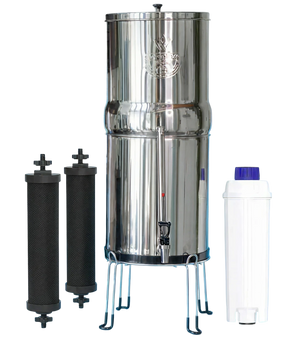
High-quality filtration systems using activated carbon are widely recognised for their ability to reduce many PFAS compounds, along with chlorine, taste- and odour-affecting substances, and other organic contaminants. When paired with hollow-fibre membranes, filtration can also address particulate and microbiological concerns—without altering beneficial mineral content.
Filtration does not replace regulation. It adds an extra margin of reassurance, especially for families who value proactive health choices.
The UK’s approach to PFAS reflects a broader philosophy:
monitor carefully, regulate proportionately, and respond based on evidence.
For consumers, the most empowering position is an informed one:
At Weeplow, we believe clear information builds confidence. Clean water should feel simple, not worrying—and good decisions begin with understanding.
“Blue baby syndrome” is one of the key reasons nitrate levels in drinking water are regulated. Here’s how it works—and why it still matters today.

Research into nitrates and cancer is still evolving, but scientists are paying closer attention to what long-term exposure in drinking water could mean for health over time. Here’s what current res...

Boil water notices can feel unexpected, but they’re a normal part of how water quality is managed. This guide explains what they mean, why they happen, and exactly what to do at home—so you can han...
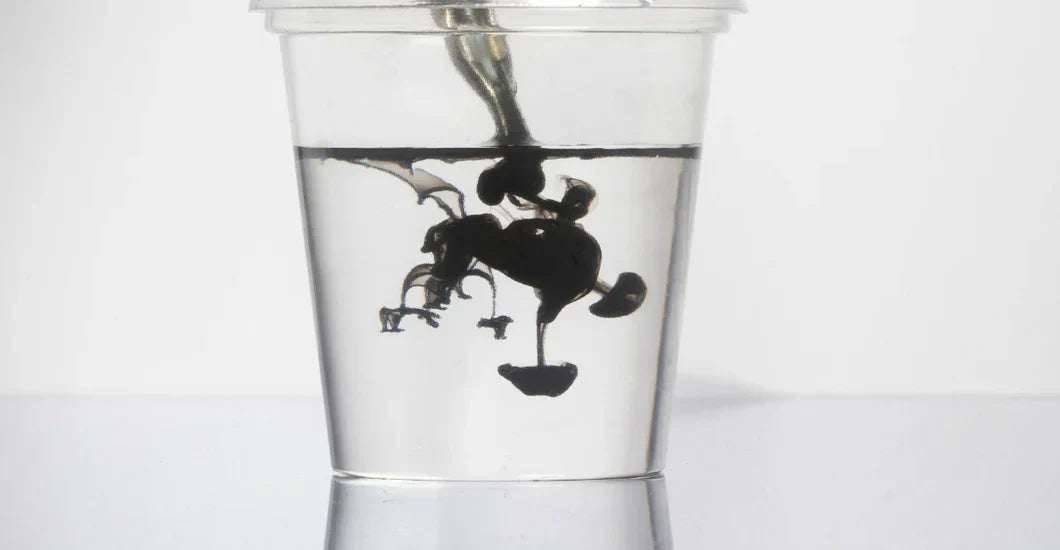
A viral video shared on X (formerly Twitter) has attracted millions of views. In the clip, a man attempts to prove that bottled mineral water is heavily contaminated by using an electrolysis device...
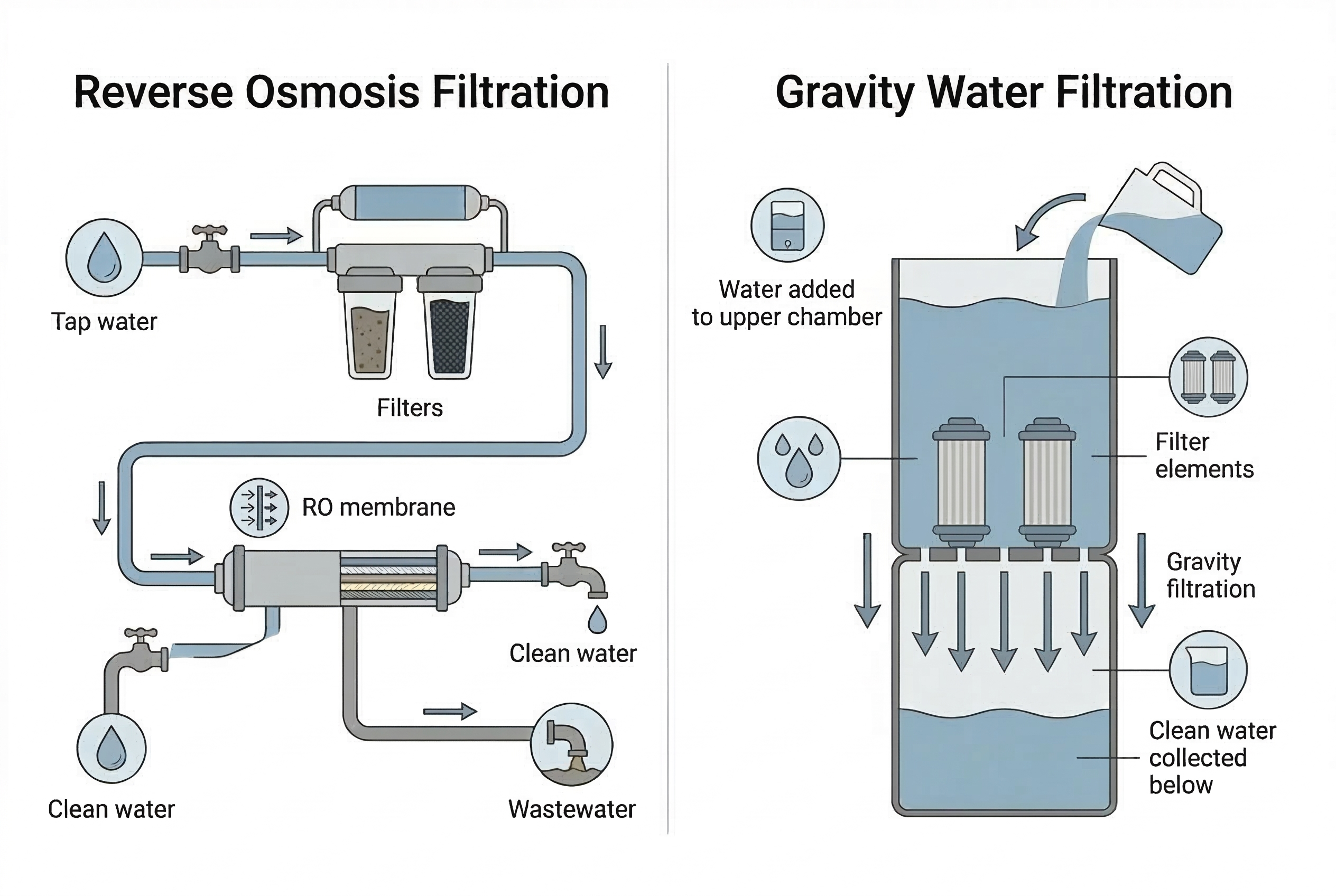
Reverse osmosis and gravity water filters both improve drinking water quality, but they work in very different ways. Learn how each system works, what contaminants they remove, and which option may...