


Die Forschung zu Nitraten und Krebs entwickelt sich noch, aber Wissenschaftler richten ihre Aufmerksamkeit zunehmend darauf, was eine langfristige Exposition durch Trinkwasser für die Gesundheit im...
Warenkorb
(0 Artikel)
Dein Warenkorb ist leer
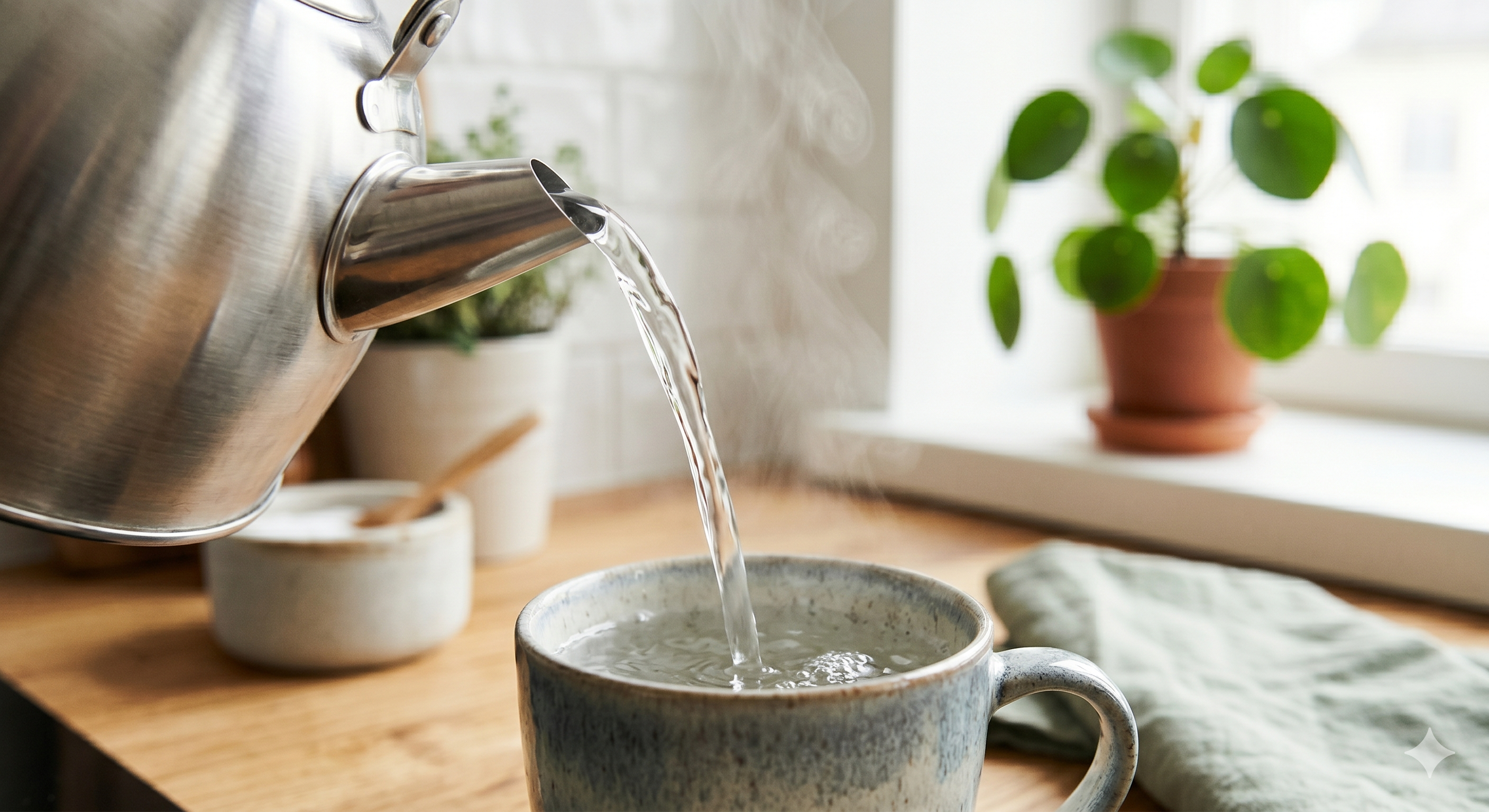
Es ist ein normaler Morgen. Sie drehen den Wasserhahn auf, füllen den Wasserkocher und machen wie gewohnt weiter.
Sie bereiten eine Flasche für Ihr Baby zu, verwenden dasselbe Leitungswasser wie immer. Es ist Routine – etwas, worüber Sie normalerweise nicht nachdenken.
Später bemerken Sie eine Nachricht von Ihrem Wasserversorger. Sie ist kurz und leicht zu übersehen: Für Ihr Gebiet wurde eine Abkochwarnung ausgegeben.
Sie halten inne. Sie schauen auf die Flasche, die Sie gerade zubereitet haben. Am Wasser sieht nichts anders aus – es ist klar, wie immer. Aber die Anweisung ist eindeutig: Kochen Sie es ab, bevor Sie es zum Trinken, Kochen oder Zähneputzen verwenden.
Solche Momente können still beunruhigend sein. Nicht weil etwas Dramatisches passiert ist, sondern weil etwas, auf das Sie sich jeden Tag verlassen, plötzlich etwas unsicherer erscheint – besonders wenn es etwas ist, das Sie Ihrem Kind geben.
Abkochwarnungen sind ein vorsorglicher Bestandteil der Wasserqualitätskontrolle. Zu verstehen, was sie bedeuten – und was zu tun ist, wenn sie auftreten – kann die Situation viel klarer machen.
Eine Abkochwarnung wird ausgegeben, wenn die Möglichkeit besteht, dass Trinkwasser kontaminiert sein könnte. Anstatt auf eine bestätigte Problemmeldung zu warten, können Wasserversorger Haushalte anweisen, Leitungswasser vor der Verwendung zum Trinken, Kochen oder Zähneputzen abzukochen.
Dies ist eine Vorsichtsmaßnahme. Sie verringert potenzielle Risiken, während Tests und Untersuchungen durchgeführt werden. In den meisten Fällen sind diese Warnungen vorübergehend und werden aufgehoben, sobald die Wasserversorgung wieder als sicher bestätigt wurde.
Im Vereinigten Königreich sind Abkochwarnungen relativ selten, werden aber jedes Jahr herausgegeben – meist für bestimmte Gebiete und nicht für ganze Regionen. Es gibt keine einheitliche nationale Zahl, aber Berichte von Wasserversorgern und lokalen Behörden zeigen, dass diese Warnungen mehrmals jährlich im ganzen Land ausgegeben werden, oft als Vorsichtsmaßnahme bei Unsicherheiten bezüglich der Wasserqualität.
Die Wasserqualität wird von Organisationen wie dem Drinking Water Inspectorate genau überwacht, das die öffentlichen Wasserversorgungen beaufsichtigt und die Vorschriften sowie Sicherheitsstandards festlegt, die Wasserversorger einhalten müssen.
In den meisten Fällen ist Leitungswasser im Vereinigten Königreich sicher zu trinken und unterliegt strengen gesetzlichen Vorschriften. Eine Abkochwarnung bedeutet nicht, dass das Wasser langfristig unsicher ist – sie ist meist eine vorübergehende Vorsichtsmaßnahme, während etwas überprüft oder behoben wird.
In den meisten Fällen konzentriert sich die Anleitung auf alles, was aufgenommen werden könnte, einschließlich Trinken, Zähneputzen und Zubereitung von Speisen.
Abgekochtes Wasser, das abgekühlt ist, ist für diese Zwecke sicher.
Aktivitäten wie Duschen gelten in der Regel als sicher, solange kein Wasser verschluckt wird. Befolgen Sie stets die spezifischen Anweisungen in Ihrem Hinweis, wie z. B. die offiziellen Abkochhinweise.
Abkochhinweise werden in der Regel als Vorsichtsmaßnahme ausgegeben, nicht weil eine Kontamination bereits bestätigt wurde.
Sie werden oft durch Veränderungen im Wassersystem ausgelöst, die das Kontaminationsrisiko erhöhen könnten, auch wenn nur vorübergehend. Häufige Ursachen sind:
Zum Beispiel kann ein Druckabfall es externen Verunreinigungen ermöglichen, in das System einzudringen, selbst wenn nur kurzzeitig. Eine frühzeitige Bekanntgabe hilft, das Risiko zu verringern, während Tests und Kontrollen durchgeführt werden.
Abgekochtes Wasser tötet zuverlässig Mikroorganismen ab, die vorhanden sein könnten.
Einfache Kohlefilter verbessern den Geschmack, sind aber nicht dafür ausgelegt, mikrobiologische Verunreinigungen zu entfernen.
Einige spezialisiertere Filtersysteme, wie solche mit Mikrofiltration oder Hohlfasermembranen, sind darauf ausgelegt, Bakterien und andere Mikroorganismen physisch zu entfernen. Diese Systeme sind für unterschiedliche Anwendungsfälle gebaut und typischerweise mit Blick auf Kontaminationsrisiken entwickelt.
Verschiedene Wasserprobleme erfordern oft unterschiedliche Ansätze.
Abkochen ist eine kurzfristige Lösung, die darauf ausgelegt ist, mikrobiologische Risiken zu reduzieren.
Es entfernt keine gelösten Stoffe wie Chemikalien oder Schwermetalle. Das Verständnis der Arten von Schadstoffen, die im Wasser vorkommen können, hilft, dies in Kontext zu setzen, einschließlich häufiger Verunreinigungen im Trinkwasser.
Es erfordert auch Zeit und Energie, was es als dauerhafte Lösung weniger praktikabel macht.
Neben dem Abkochen verfolgen einige Haushalte einen umfassenderen Ansatz, wie ihr Wasser über die Zeit verwaltet wird. Viele Filter sind nicht für mikrobiologische Risiken ausgelegt, sondern konzentrieren sich darauf, den Geschmack zu verbessern oder bestimmte Chemikalien durch Adsorption zu reduzieren. Einige Systeme hingegen sind darauf ausgelegt, Mikroorganismen physisch durch feine Filterbarrieren zu entfernen. Diese Ansätze dienen unterschiedlichen Zwecken, je nach Art der Sorge. Zum Beispiel können Sie mehr darüber erfahren, wie Schwerkraft-Wasserfilter funktionieren und wie sie im Vergleich zu anderen Filtersystemen abschneiden.
Abkochwarnungen sind vorsorglich und vorübergehend. Sie sind Teil des Wassermanagements und kein Zeichen dafür, dass etwas ernsthaft schiefgelaufen ist.
Wenn Sie weiterführende Informationen wünschen, können Sie die Leitungswasserqualität im Vereinigten Königreich erkunden oder verschiedene Filtermethoden vergleichen.
Für die meisten Haushalte reicht es aus, informiert zu bleiben und zu wissen, wie man reagiert. Es geht nicht darum, Probleme zu erwarten, sondern zu verstehen, was passiert, und sich sicher zu fühlen, wie man damit umgeht.
Wie lange dauern Abkochwarnungen normalerweise?
Sie sind normalerweise vorübergehend und können von einigen Stunden bis zu einigen Tagen dauern, abhängig davon, wie schnell Tests bestätigen, dass das Wasser wieder sicher ist.
Muss ich Wasser zum Zähneputzen und Kochen abkochen?
Ja. Abkochwarnungen gelten typischerweise für jede Nutzung, bei der Wasser aufgenommen werden könnte, einschließlich Trinken, Zähneputzen und Zubereitung von Lebensmitteln.
Ist Duschen während einer Abkochwarnung sicher?
In den meisten Fällen ja. Duschen und Händewaschen gelten im Allgemeinen als sicher, solange kein Wasser verschluckt wird. Befolgen Sie stets die spezifischen Anweisungen in Ihrer Warnung.
Ist Leitungswasser im Vereinigten Königreich immer sicher zu trinken?
In den meisten Fällen ja. Das Leitungswasser im Vereinigten Königreich unterliegt strengen Sicherheitsstandards und wird regelmäßig überwacht. Wenn Sie dies genauer erkunden möchten, können Sie mehr über die Leitungswasserqualität im Vereinigten Königreich lesen. Dennoch können vorübergehende Probleme auftreten, weshalb manchmal Abkochwarnungen ausgegeben werden.
Kann ein Schwerkraftfilter das Abkochen ersetzen?
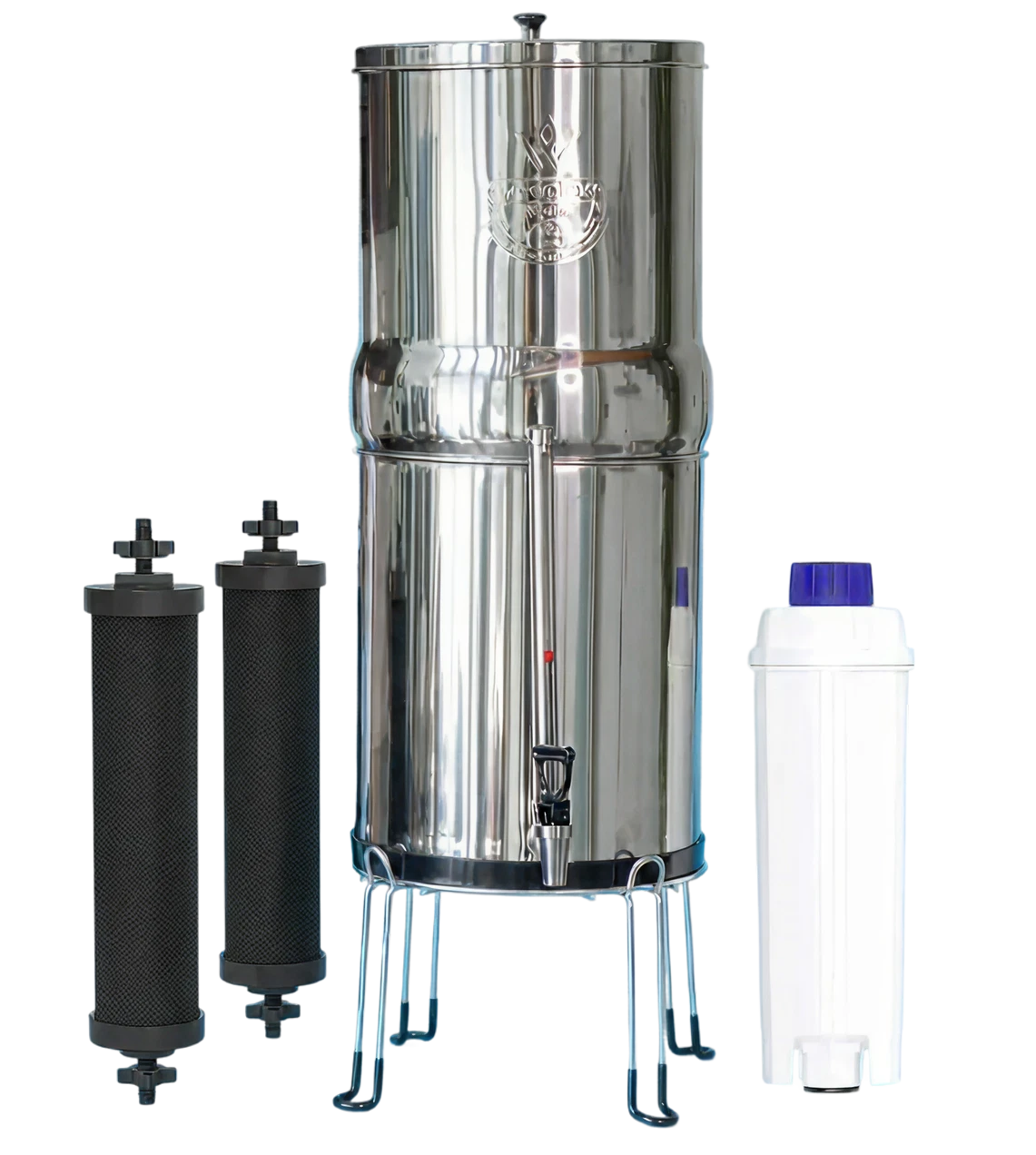
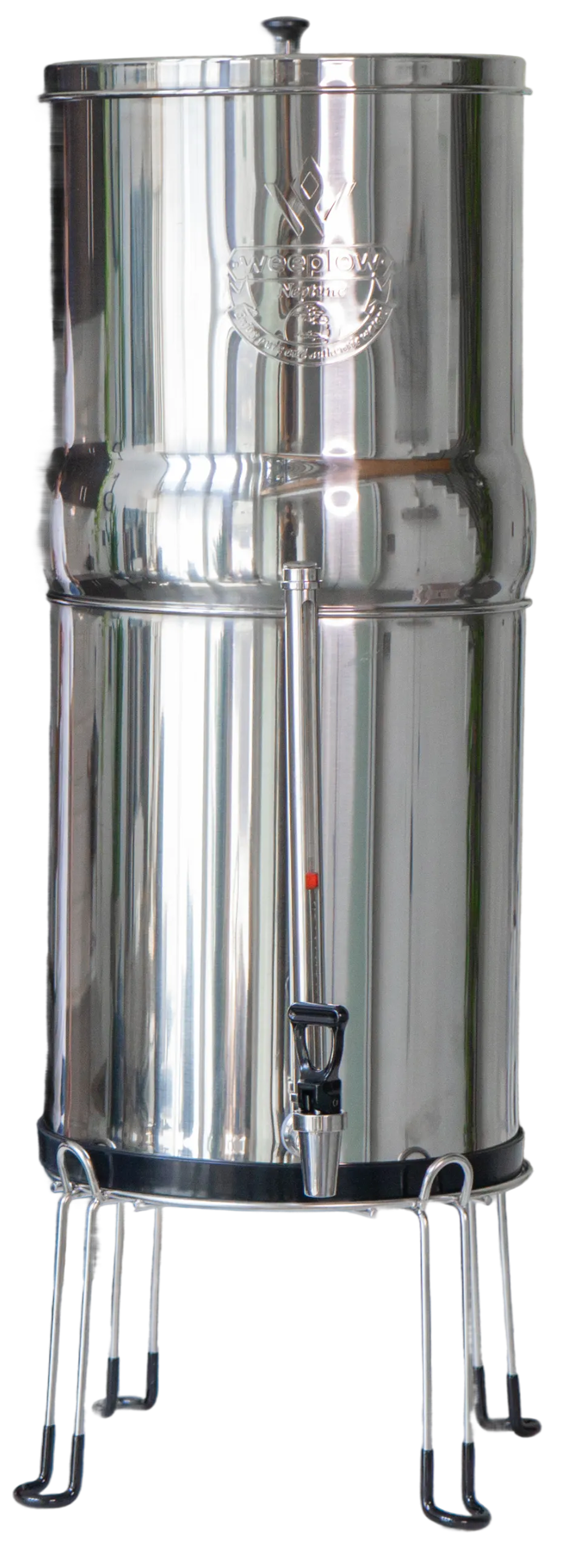
Standardfilter sind nicht dafür ausgelegt, alle mikrobiologischen Verunreinigungen zuverlässig zu entfernen. Einige spezialisierte Systeme adressieren bestimmte Risiken, aber das Abkochen bleibt während einer Abkochwarnung die am weitesten empfohlene Methode. Einige fortschrittliche Filtersysteme verfügen jedoch über starke, bewährte mikrobiologische Entfernungskapazitäten, wie die Weeplow Water Filter Gravity Systems, Venus, Earth und Neptune.
Kann ich während einer Abkochwarnung einen Wasserkocher verwenden?
Ja. Die Verwendung eines Wasserkochers ist eine der einfachsten Methoden, Wasser zum Kochen zu bringen. Stellen Sie nur sicher, dass das Wasser sprudelnd kocht und vor der Verwendung zum Trinken, Kochen oder Zähneputzen abgekühlt ist.
Können Babys abgekochtes Leitungswasser trinken?
Ja, sobald es abgekocht und abgekühlt wurde, ist Leitungswasser im Allgemeinen sicher für die Säuglingsernährung. Es ist wichtig, alle zusätzlichen Anweisungen in Ihrer Abkochwarnung zu befolgen, insbesondere bei der Zubereitung von Säuglingsnahrung.
Macht Kühlung Wasser sicher?
Nein. Kühlung entfernt keine Mikroorganismen und macht kontaminiertes Wasser nicht sicher zum Trinken. Während einer Abkochwarnung ist das Abkochen weiterhin erforderlich, um das mikrobiologische Risiko zu reduzieren.
Die Forschung zu Nitraten und Krebs entwickelt sich noch, aber Wissenschaftler richten ihre Aufmerksamkeit zunehmend darauf, was eine langfristige Exposition durch Trinkwasser für die Gesundheit im...
Ein virales Video, das auf X (ehemals Twitter) geteilt wurde, hat Millionen von Aufrufen erzielt. In dem Clip versucht ein Mann zu beweisen, dass Flaschenmineralwasser stark verunreinigt ist, indem...
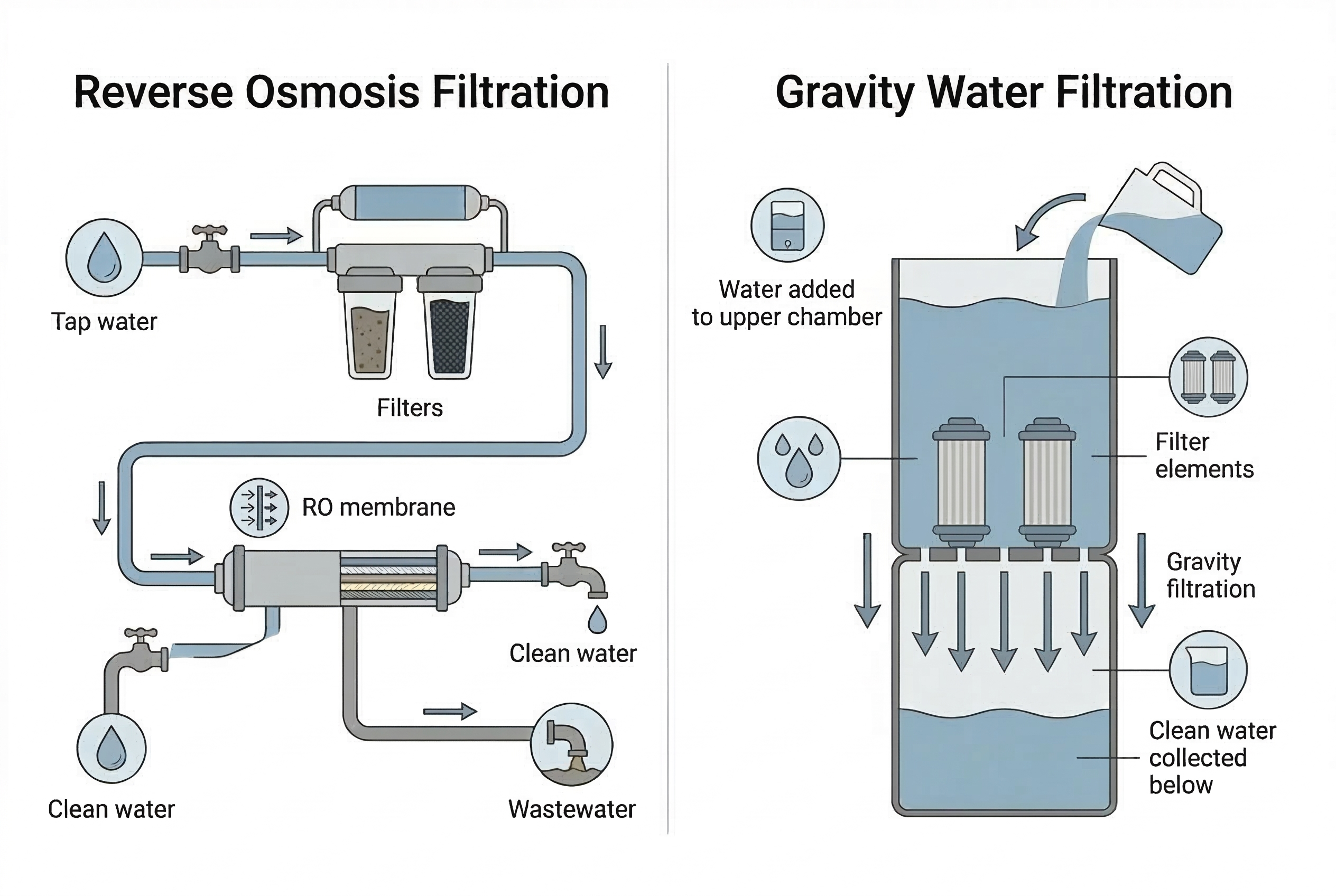
Umkehrosmose- und Schwerkraft-Wasserfilter verbessern beide die Trinkwasserqualität, funktionieren jedoch auf sehr unterschiedliche Weise. Erfahren Sie, wie jedes System arbeitet, welche Verunreini...
Nestlé Waters wegen Mineralwasserbehandlungspraktiken mit Geldstrafe belegt Nestlé Waters, die Mineralwassersparte des Schweizer Konzerns Nestlé, hat sich nach Untersuchungen seiner Mineralwassera...
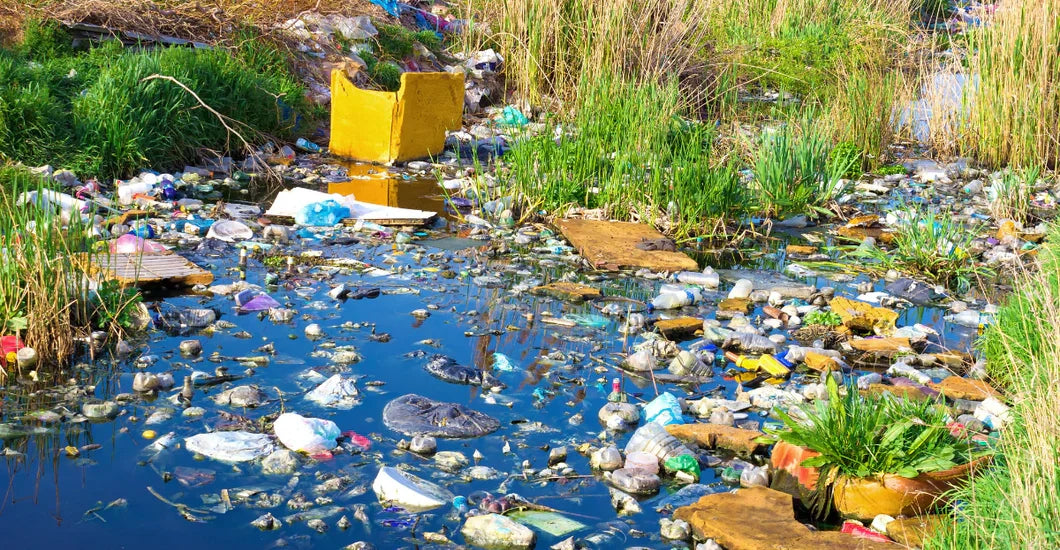
Wasserverschmutzung ist eine bedeutende Umweltproblematik mit schwerwiegenden Folgen für Natur und Gesellschaft. Sie resultiert hauptsächlich aus menschlichen Aktivitäten und kann die Qualität unse...