



“Blue baby syndrome” is one of the key reasons nitrate levels in drinking water are regulated. Here’s how it works—and why it still matters today.
Your Cart
(0 products)
Your cart is empty
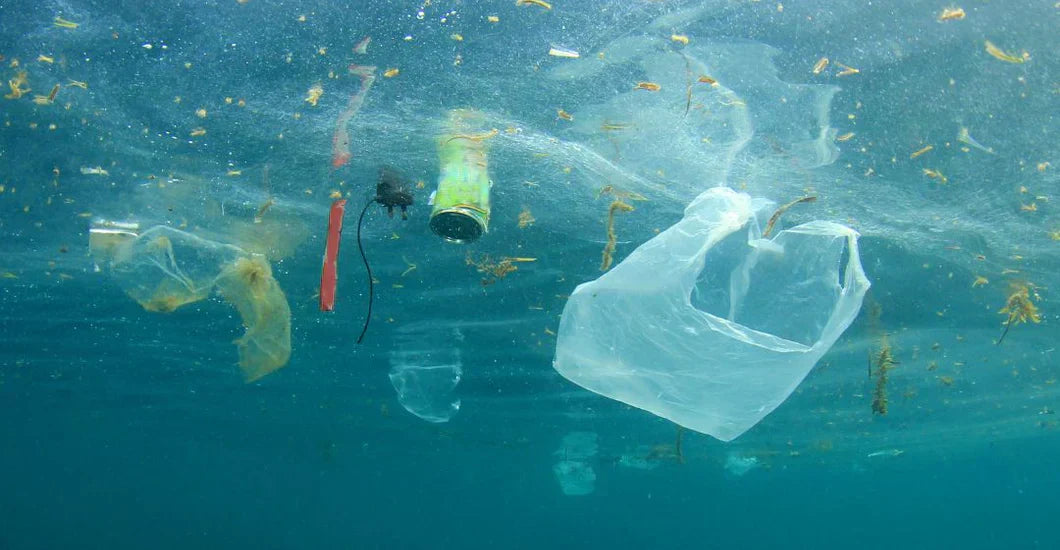
Water is essential to all life on Earth. Yet human activity pollutes it in many different ways: untreated sewage, industrial discharge, plastic waste, agricultural runoff, accidental spills and more. These sources of contamination threaten both the availability and the safety of water for current and future generations.
Contaminated drinking water can cause gastrointestinal illness, cholera, typhoid and other serious health conditions. Aquatic ecosystems are also directly affected, harming fish, plants and biodiversity. Below, we explore the main pollutants found in water and where they come from.
Plants need nutrients to grow, particularly nitrogen and phosphorus. Nitrogen exists in forms such as nitrates and nitrites, while phosphorus is commonly found as phosphate in rocks and soil.
Modern agriculture uses nitrogen-based fertilisers and animal slurry to increase crop yields. During rainfall, excess nutrients are washed into rivers and groundwater.
This leads to eutrophication — rapid algae growth that reduces oxygen levels in water and threatens aquatic life. Excess nutrients can also affect drinking water supplies.
In the UK, the maximum permitted concentration of nitrates in drinking water is 50 mg/L under water quality regulations. Standards are enforced by the Drinking Water Inspectorate (DWI), which monitors public water supplies to ensure they remain safe.
Organic matter includes substances derived from living organisms, such as:
While naturally occurring, excessive organic matter — particularly from untreated sewage or agricultural runoff — can significantly reduce oxygen levels in water as it decomposes.
This process may also transport harmful bacteria, viruses and chemical contaminants.
Micropollutants are chemical substances present in extremely small quantities — sometimes compared to a sugar cube dissolved in an Olympic swimming pool. Despite their low concentration, they can impact ecosystems, infrastructure and UK mains water quality.
Persistent chemicals such as PFAS and legacy pollutants like PCBs are particularly concerning due to their resistance to breakdown.
Some micropollutants disrupt the endocrine (hormonal) system. Growing research is also examining the health risks of microplastics in drinking water and food chains.
Volatile organic compounds (VOCs) and certain synthetic chemicals have been linked to increased cancer risk or reproductive issues.
Heavy metals include:
These metals occur naturally in rocks and soil but can also enter water supplies through mining, industry, waste incineration or ageing pipework.
In older UK properties, lead plumbing can still contribute to trace contamination in tap water. Public water quality is regulated and regularly tested by regional water companies under the oversight of the Drinking Water Inspectorate.
According to EarthWatch Europe, over one-third of litter found in European rivers consists of plastic waste from consumer products.
Over time, plastics break down into microplastics. Research into their effects on human and animal health is ongoing, but early findings raise concerns about inflammation and immune system impact.
Water can act as a transport medium for harmful bacteria, viruses and protozoa. These organisms may originate from sewage discharge, livestock runoff or failing treatment systems.
To protect public health, drinking water in the UK is disinfected — typically using chlorine. While effective, some people are concerned about the effects of chlorine in drinking water.
In the UK, drinking water is sourced from groundwater (aquifers) and surface water (rivers and reservoirs), then treated by regional water companies before distribution. Water suppliers are required to publish regular water quality reports for customers.
Because water can contain a variety of contaminants — from pesticides and heavy metals to industrial chemicals — many households consider filtration systems to improve water quality at home. If you're comparing common filtration methods, this guide explains the key differences between reverse osmosis and gravity water filters and how each approach removes contaminants.
Learn more here about how to reduce PFAS in drinking water.
Understanding common water pollutants helps you make informed choices. While UK tap water meets strict safety standards, some households prefer additional filtration for taste, trace contaminants or peace of mind.
Gravity-fed filtration systems using activated carbon can significantly reduce many common contaminants found in tap water.
Explore available options on our online shop to find a system suited to your household.
“Blue baby syndrome” is one of the key reasons nitrate levels in drinking water are regulated. Here’s how it works—and why it still matters today.
Research into nitrates and cancer is still evolving, but scientists are paying closer attention to what long-term exposure in drinking water could mean for health over time. Here’s what current res...

Boil water notices can feel unexpected, but they’re a normal part of how water quality is managed. This guide explains what they mean, why they happen, and exactly what to do at home—so you can han...
A viral video shared on X (formerly Twitter) has attracted millions of views. In the clip, a man attempts to prove that bottled mineral water is heavily contaminated by using an electrolysis device...
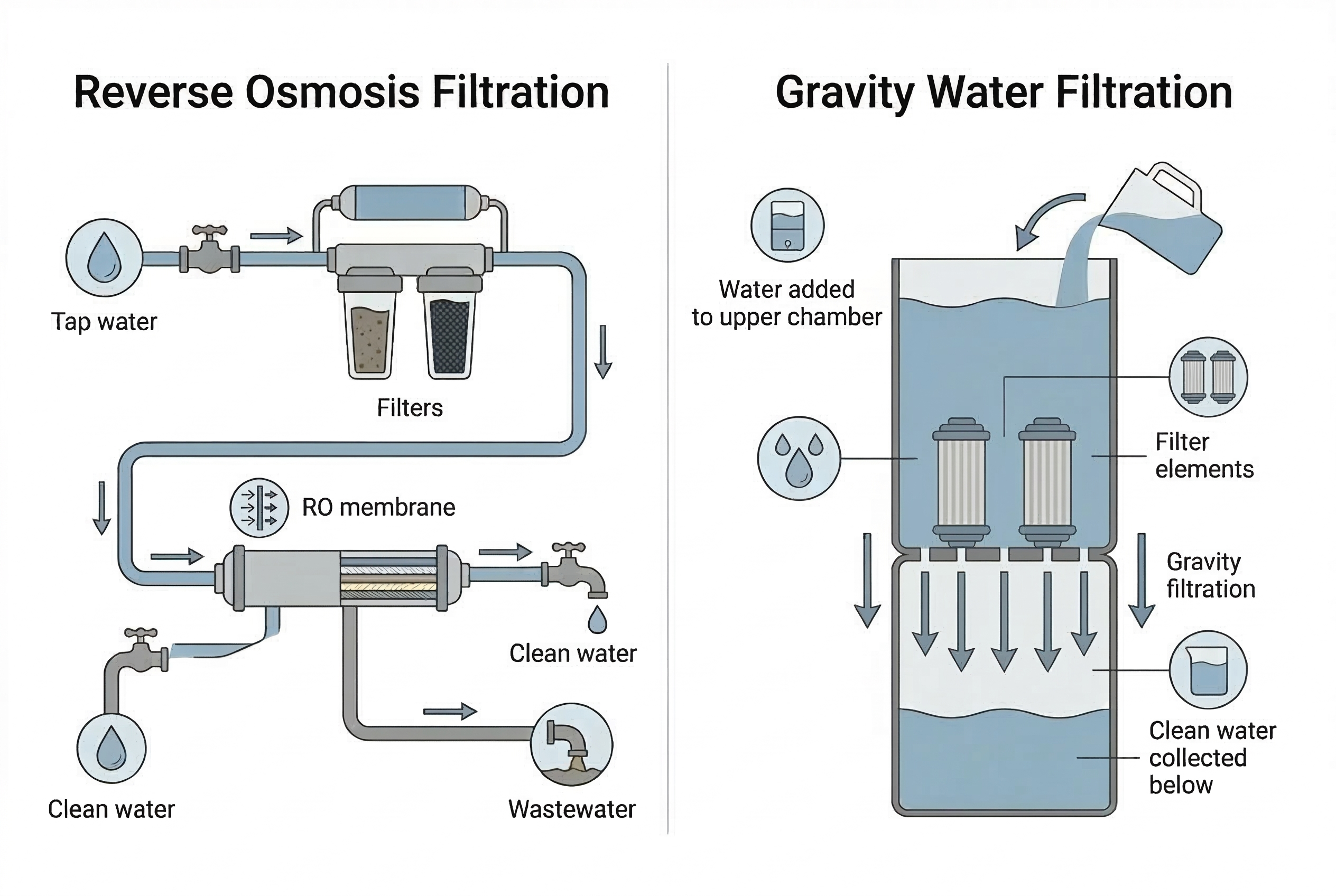
Reverse osmosis and gravity water filters both improve drinking water quality, but they work in very different ways. Learn how each system works, what contaminants they remove, and which option may...