


Die Forschung zu Nitraten und Krebs entwickelt sich noch, aber Wissenschaftler richten ihre Aufmerksamkeit zunehmend darauf, was eine langfristige Exposition durch Trinkwasser für die Gesundheit im...
Warenkorb
(0 Artikel)
Dein Warenkorb ist leer

Gemeinschaften in Brixham und Teilen von South Devon erlebten 2024 eine tiefgreifende Störung, nachdem Kontaminationsbedenken zu weit verbreiteten Abkochwarnungen und starkem Druck auf die lokalen Trinkwasserversorgungen führten. Tausende Bewohner wurden nach dem Nachweis von Cryptosporidium im Netz angewiesen, Leitungswasser nur abgekocht zu trinken.
Der Vorfall löste schnell breitere Sorgen über die Widerstandsfähigkeit der alternden Wasserinfrastruktur und die Fähigkeit der Wasserversorger aus, bei Kontaminationsereignissen schnell zu reagieren. Während Notfallmaßnahmen eingeführt wurden, mussten viele Haushalte auf Flaschenwasser-Ausgabestellen für ihre Grundbedürfnisse zurückgreifen.
Mit fortschreitenden Untersuchungen wuchs die öffentliche Frustration. Die Krise zog auch nationale Medienaufmerksamkeit auf sich, wobei die Wasserversorger, Infrastrukturinvestitionen und die langfristige Netzwerkwartung im Vereinigten Königreich zunehmend kritisch hinterfragt wurden.
Ein genauerer Blick auf den Kontaminationsvorfall in Brixham verdeutlichte die wachsenden Sorgen bezüglich der alternden Wasserinfrastruktur und des Wartungsdrucks in Teilen des Vereinigten Königreichs. Während die Untersuchungen zur genauen Ursache andauerten, deuteten Berichte darauf hin, dass Schwachstellen im lokalen Wassernetz zur Kontamination beigetragen haben könnten.
Berichten der BBC zufolge waren Tausende Haushalte von der Abkochwarnung betroffen, was Schulen, Unternehmen und den Tourismus in der Region störte. Der Vorfall entfachte eine breitere Debatte über Infrastrukturinvestitionen und Leckagemanagement.
Die Kontamination betraf Cryptosporidium, einen mikroskopisch kleinen Parasiten, der Magen-Darm-Erkrankungen verursachen kann. Symptome können Durchfall, Bauchschmerzen, Dehydration und Übelkeit sein, besonders bei gefährdeten Personen.
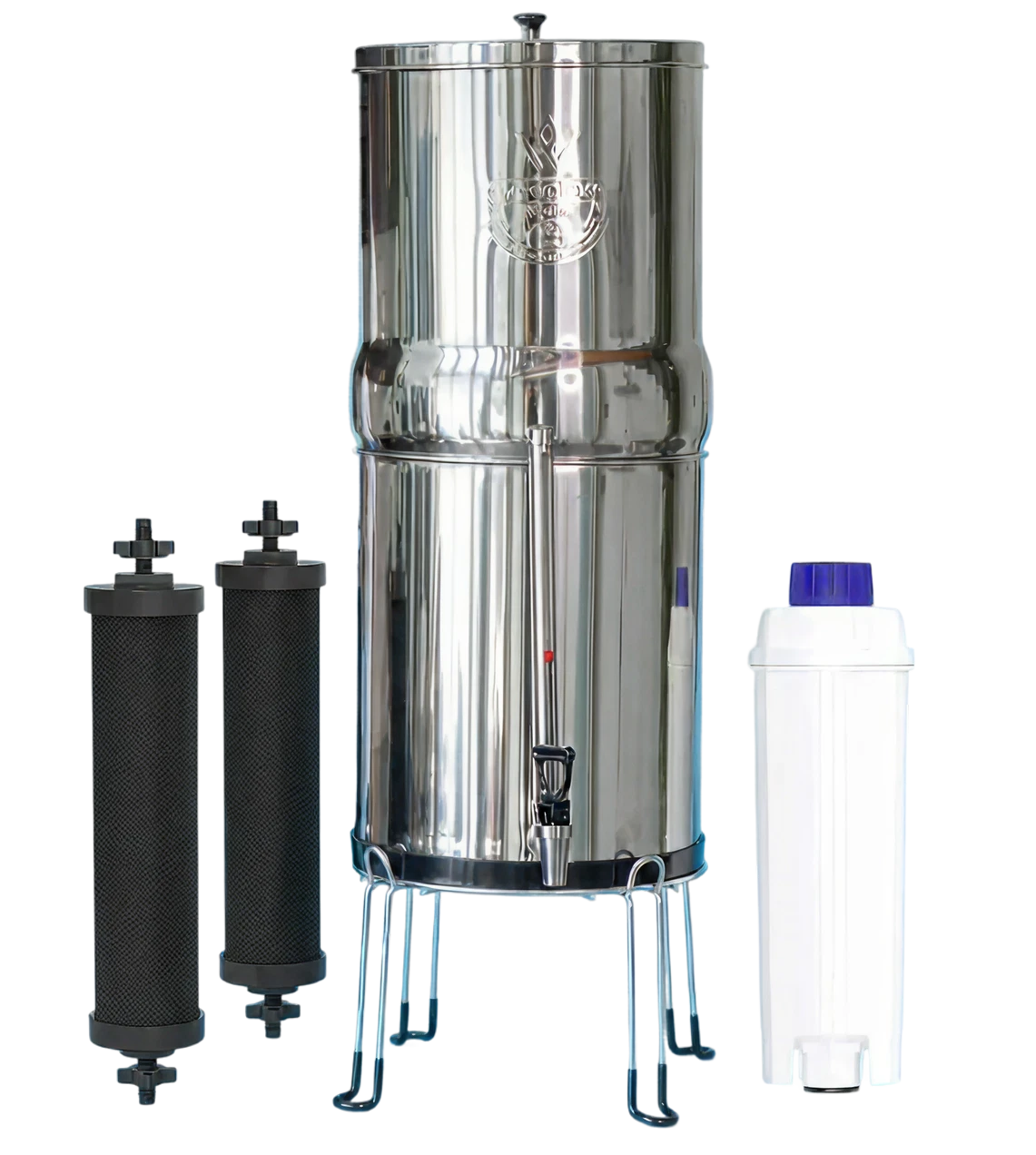
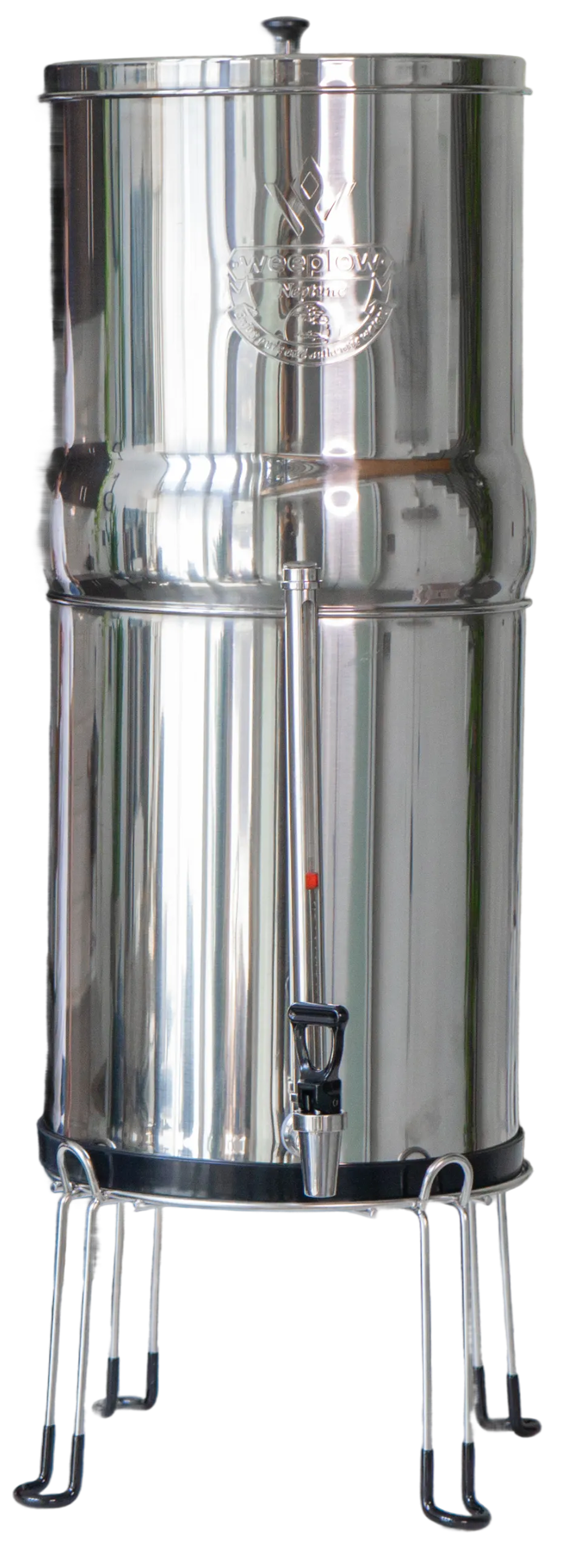
Solche Vorfälle werfen auch weitergehende Fragen zur Widerstandsfähigkeit des Trinkwassers und zur Notfallvorsorge auf. Um bestimmte Schadstoffe zu reduzieren und die tägliche Wasserqualität zu verbessern, entscheiden sich einige Haushalte für Schwerkraft-Filtersysteme in Kombination mit Aktivkohlefiltern.
Die Gesundheitsbehörden überwachten die Lage genau, während die Wasserqualitätsprüfungen in der betroffenen Region fortgesetzt wurden.

Bedenken hinsichtlich Wasserqualitätsvorfällen haben auch zu breiteren Diskussionen über Kontaminationsrisiken, Infrastrukturresilienz und das öffentliche Vertrauen in Versorgungsunternehmen beigetragen.
Häufige Sorgen bei Kontaminationsvorfällen:
| Problem | Mögliche Auswirkungen | Folgen für Haushalte |
|---|---|---|
| Mikrobielle Kontamination | Verdauungserkrankungen | Abkochwarnungen |
| Schwachstellen in Rohrleitungen | Versorgungsunterbrechung | Eingeschränkter Wasserzugang |
| Alternde Infrastruktur | Erhöhter Wartungsdruck | Öffentliche Besorgnis und Unsicherheit |
Die Störung beeinträchtigte das tägliche Leben in der gesamten Region, wobei Bewohner Schwierigkeiten hatten, sicheren Trinkwasserzugang zu erhalten und normale Haushaltsroutinen aufrechtzuerhalten. Die öffentliche Frustration wuchs schnell, als sich die Lage entwickelte.
Tausende Haushalte in South Devon waren während des Kontaminationsvorfalls betroffen. Während Flaschenwasserstationen eingerichtet wurden und die Abkochwarnung weiterhin galt, standen viele Bewohner vor der Unsicherheit, wie lange die Störung andauern würde.
Berichten von The Guardian zufolge beschrieben einige Bewohner die Situation als chaotisch, mit langen Warteschlangen an den Flaschenwasser-Ausgabestellen während der Höhepunkte der Krise.

Der Vorfall in Brixham verschärfte die Kritik an der Wasserinfrastruktur, der Kontaminationsvorsorge und der öffentlichen Kommunikation im britischen Wassersektor. Fragen zu Reaktionszeiten, Netzresilienz und langfristigen Investitionsstrategien wurden aufgeworfen.
Behörden und Wasserversorger führten während der Krise eine Reihe von Notfallmaßnahmen ein:
Trotz dieser Bemühungen verstärkte der Vorfall die allgemeinen Sorgen über alternde Infrastruktur und den zunehmenden Druck auf Wassersysteme bei Kontaminationsereignissen und Umweltbelastungen.
Übernehmen Sie mehr Kontrolle über Ihre Wasserqualität zu Hause. Entdecken Sie die Schwerkraft-Filtersysteme von Weeplow.
Die Forschung zu Nitraten und Krebs entwickelt sich noch, aber Wissenschaftler richten ihre Aufmerksamkeit zunehmend darauf, was eine langfristige Exposition durch Trinkwasser für die Gesundheit im...

Hinweise zum Abkochen von Wasser können unerwartet erscheinen, sind aber ein normaler Bestandteil der Wasserqualitätskontrolle. Dieser Leitfaden erklärt, was sie bedeuten, warum sie auftreten und g...
Ein virales Video, das auf X (ehemals Twitter) geteilt wurde, hat Millionen von Aufrufen erzielt. In dem Clip versucht ein Mann zu beweisen, dass Flaschenmineralwasser stark verunreinigt ist, indem...
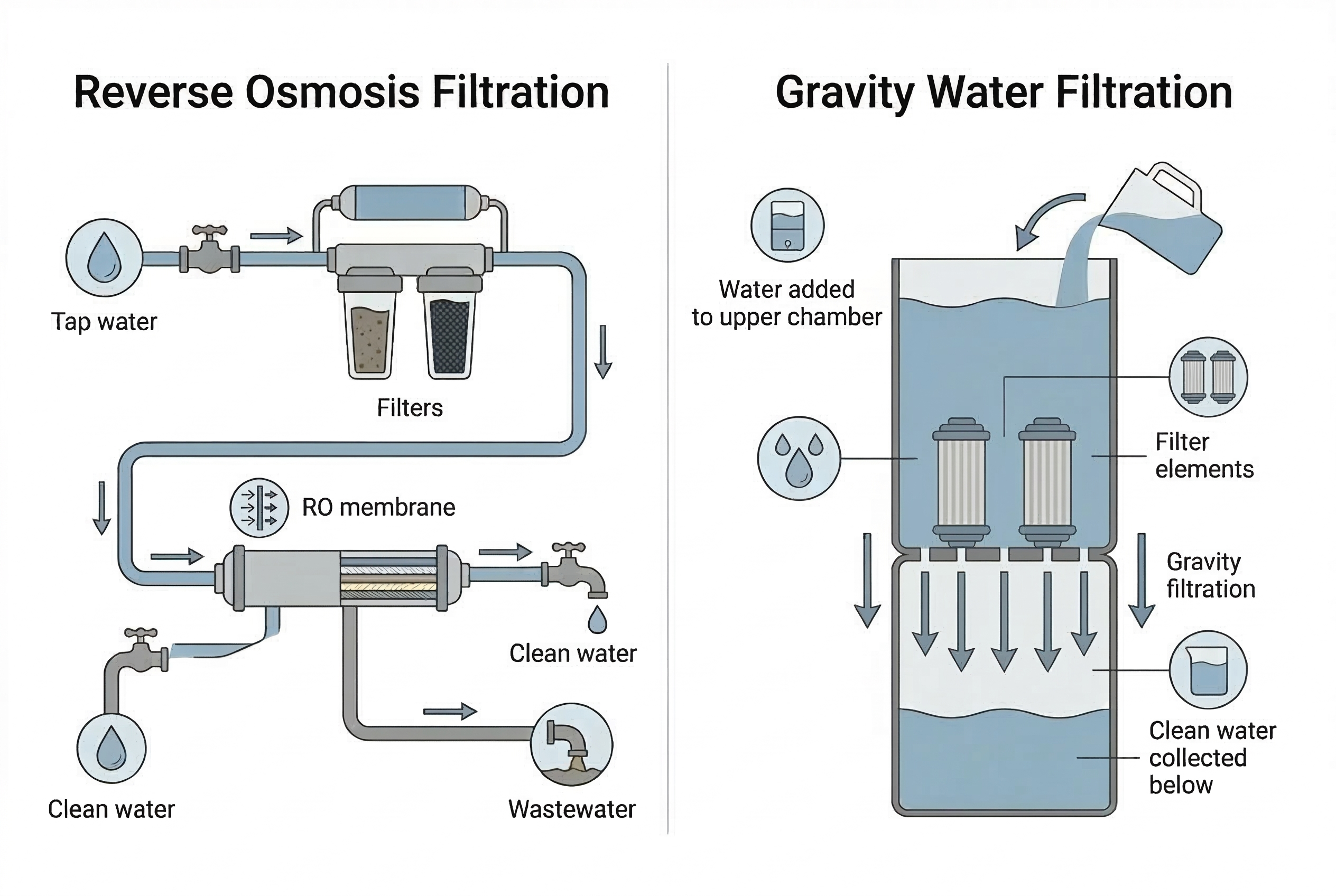
Umkehrosmose- und Schwerkraft-Wasserfilter verbessern beide die Trinkwasserqualität, funktionieren jedoch auf sehr unterschiedliche Weise. Erfahren Sie, wie jedes System arbeitet, welche Verunreini...
Nestlé Waters wegen Mineralwasserbehandlungspraktiken mit Geldstrafe belegt Nestlé Waters, die Mineralwassersparte des Schweizer Konzerns Nestlé, hat sich nach Untersuchungen seiner Mineralwassera...