



Erfahren Sie, wie Nitrat ins Trinkwasser gelangt, welche Grenzwerte gelten und was aktuelle Studien über mögliche Gesundheitsrisiken sagen.
Your Cart
(0 products)
Your cart is empty

Per- and polyfluoroalkyl substances (PFAS) are highly persistent synthetic chemicals that have raised major concern because of how widespread they have become in the environment.
Their exceptional chemical stability and resistance to breakdown mean they can accumulate in ecosystems over time. This naturally raises serious questions about their potential impact on both human health and the wider environment.
PFAS are a family of man-made organic chemicals characterised by an extremely strong carbon-fluorine bond. Because they resist natural degradation, they are often referred to as “forever chemicals”.
Their unique molecular structure allows them to repel water, grease and heat, which is why they have been widely used in industrial and consumer products.
Main PFAS sub-categories include:
Their persistence in the environment and tendency to bioaccumulate have made PFAS a growing public health and ecological concern.
Because of their useful properties, PFAS have been widely used in many everyday consumer products.
PFAS have also been used in automotive, aerospace and construction industries because of their heat resistance and durability.
People are exposed to these forever chemicals through multiple routes.
Food and contaminated drinking water are among the most significant sources. PFAS may be found in food packaging, non-stick cookware and groundwater affected by industrial pollution.
Indoor dust inhalation and skin contact through household products or cosmetics containing PFAS may also contribute to exposure.
Some workers face higher risks, particularly those in chemical manufacturing or firefighters using firefighting foams.
Widespread environmental contamination means PFAS can travel long distances and persist in soil, air and water, increasing concern about chronic exposure across the population.
PFAS can build up through the food chain, meaning exposure levels vary depending on diet and environment.
Drinking water, especially near industrial sites or former military bases, may contain elevated PFAS concentrations.
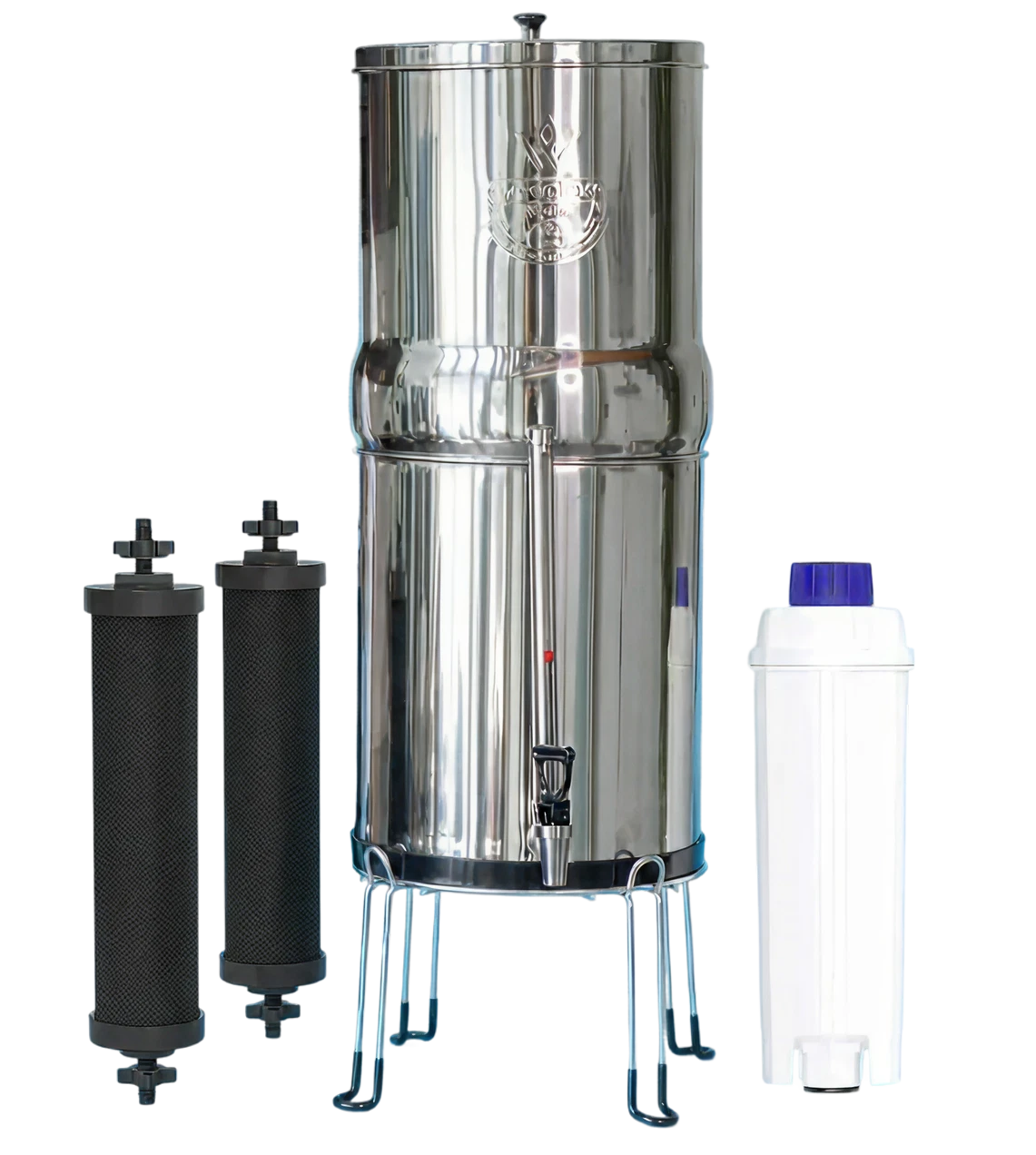
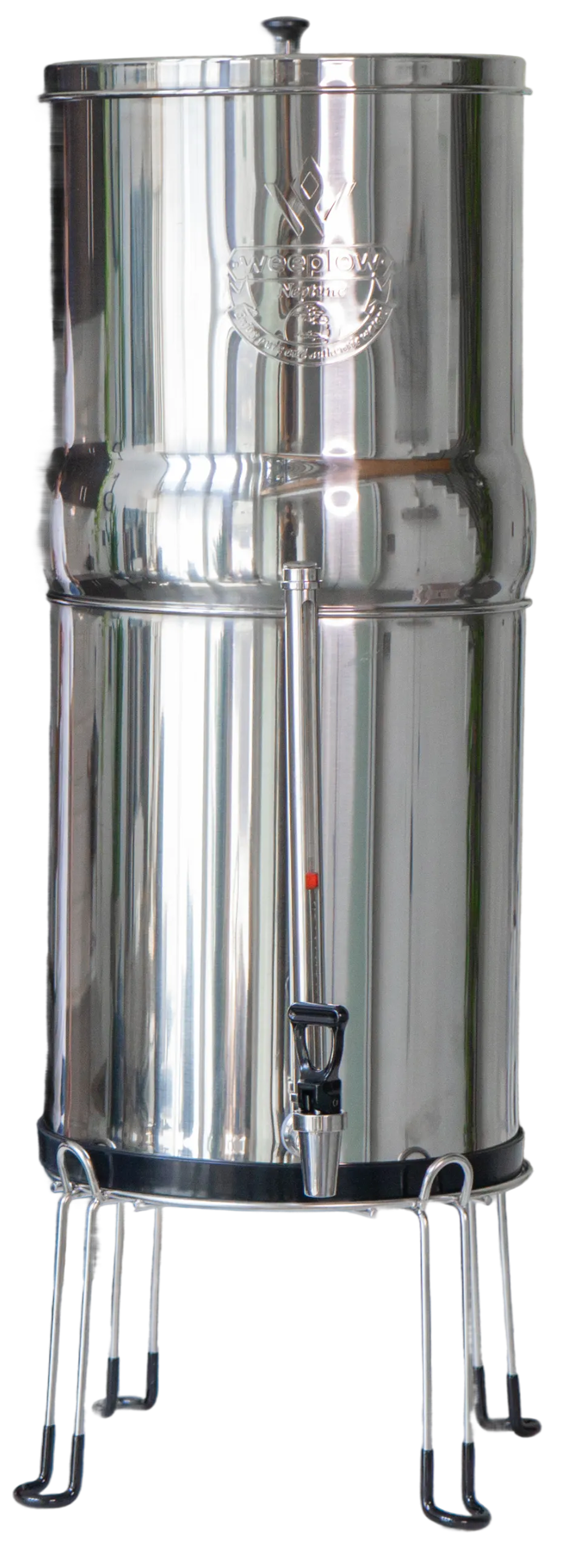
That is why at Weeplow we recommend using a gravity filter combined with an activated carbon filter. This combination can help reduce many pollutants and pesticides found in water. To understand how these systems compare with other technologies, see our guide on reverse osmosis vs gravity filters.

PFAS may also be present in some foods, including:
Because PFAS have been used on a large scale for decades, it is no surprise they are now found widely in nature. They are present in air, water and soil, contaminating ecosystems worldwide.
In the air, PFAS can travel long distances, meaning contamination may occur far from the original source. Industrial emissions, waste incineration and everyday consumer products all contribute.
They are also found in surface water and groundwater through runoff from polluted soils, wastewater discharge and landfill leaching.
Compounds such as PFOA and PFHxA are now subject to growing regulatory monitoring in European waters.
PFAS contamination matters because these chemicals do not disappear easily. Once released, they may remain in the environment for many years and continue circulating through water systems, soils and living organisms.
This is why awareness, stronger regulation and reliable water filtration solutions are becoming increasingly important for households seeking greater control over their drinking water.
Erfahren Sie, wie Nitrat ins Trinkwasser gelangt, welche Grenzwerte gelten und was aktuelle Studien über mögliche Gesundheitsrisiken sagen.
Researchers are increasingly studying the possible effects of chronic exposure to nitrates in drinking water. Here is what current research actually says about the potential risks associated with l...
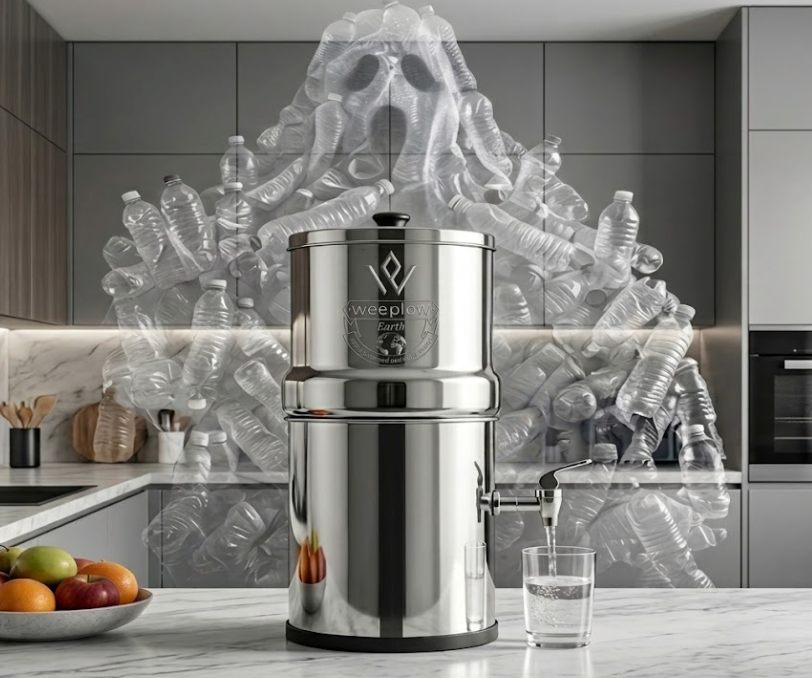
Introduction Each year, a French household spends hundreds of euros on bottled water. It is carried home from the supermarket, stored in the kitchen, reassured by the image of mountains on ...
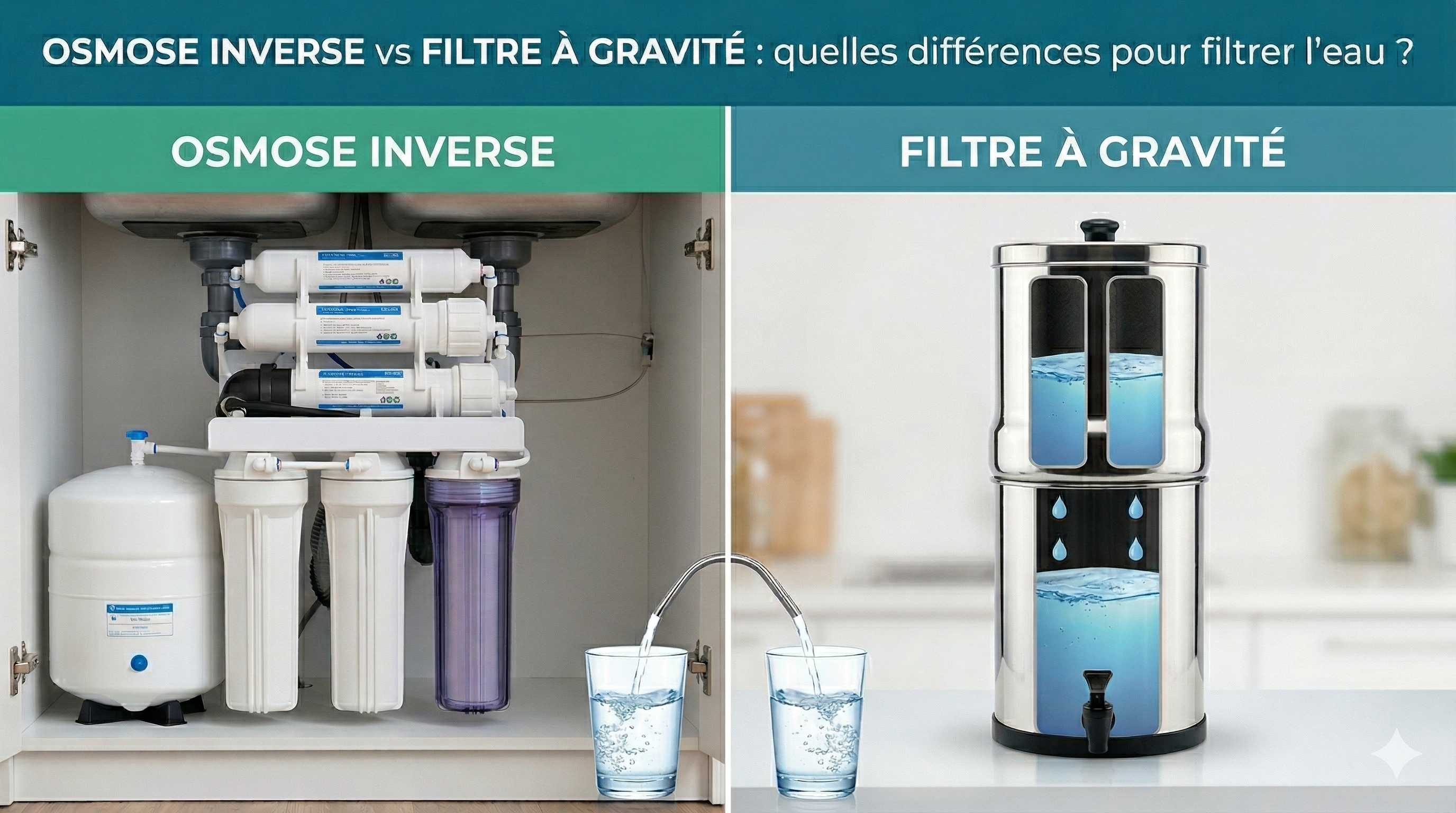
Reverse osmosis or a gravity filter: what are the differences when filtering drinking water? Discover how these two technologies work, along with their advantages and limitations for reducing conta...
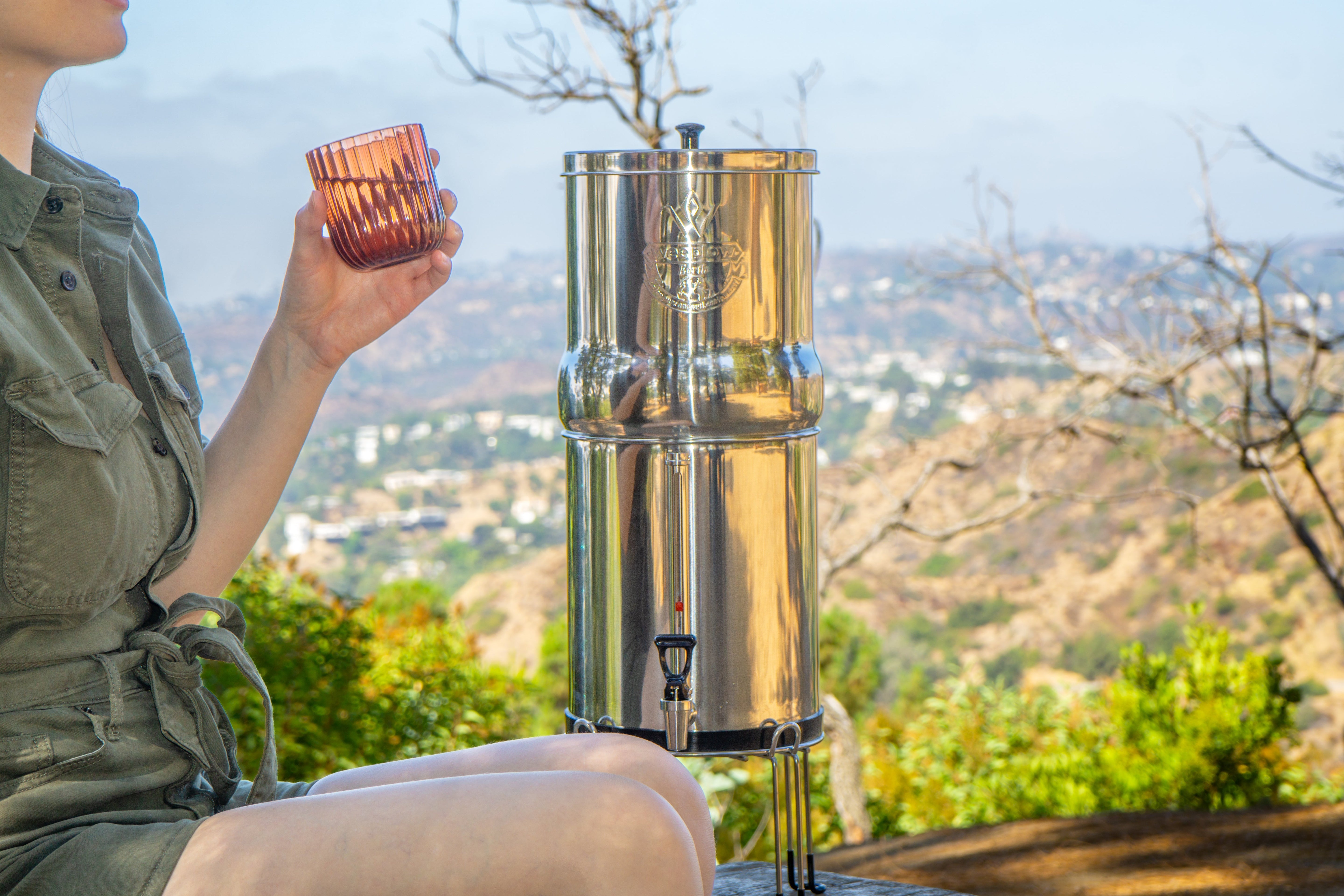
Tap water is often treated to make it drinkable, but it can still contain traces of pollutants. These may include chlorine, pesticides, nitrates and pharmaceutical residues. These substances can ca...