


Nitrates et méthémoglobinémie : quels risques pour l’eau du robinet ? Comprenez le lien entre ces deux éléments et ce que cela signifie pour votre eau au quotidien.
Your Cart
(0 products)
Your cart is empty
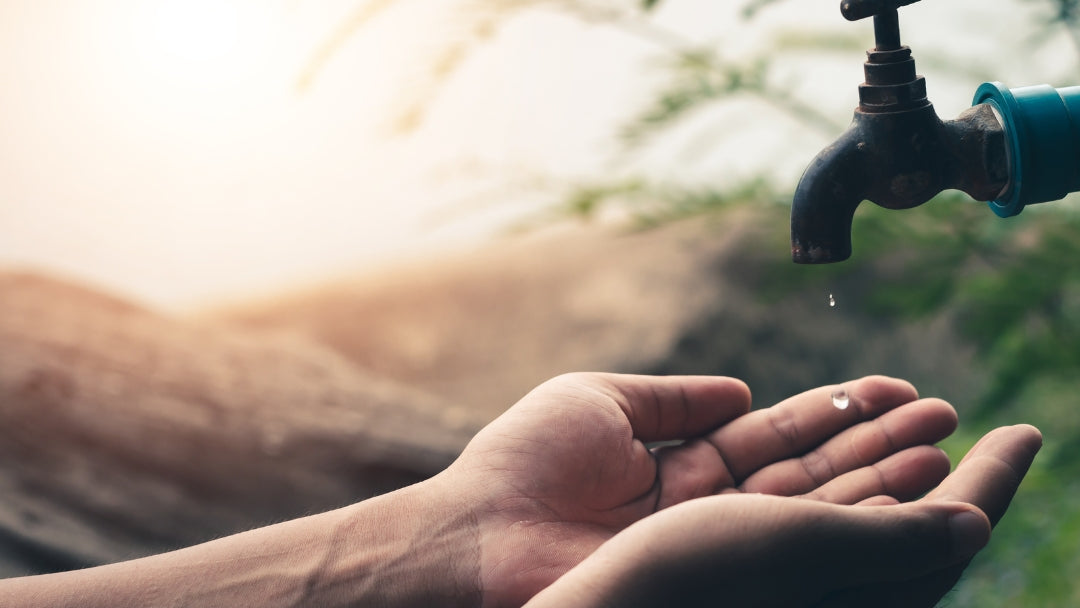
Guadeloupe, especially Grande-Terre and the municipalities of Le Gosier and Sainte-Anne, has been going through an especially difficult period since the beginning of September. Tap water is no longer being distributed, and residents are facing severe shortages. This is the result of a disastrous state of the network. Leakage rates are estimated at 70%.
Some residents have been forced to spend large sums simply to obtain drinking water and cope with this major crisis. It is also having a significant impact on tourism. Conditions are extremely poor, and Paris appears to have recognised the scale of the problem only belatedly. Politicians are trying to introduce measures to move forward. A possible project exists to end the crisis, but it would cost millions of euros.
A detailed investigation reveals that the crisis affecting Guadeloupe since September 2024 has its roots in ageing distribution infrastructure and a lack of maintenance. Some pipes date back several decades and are prone to frequent leaks and failures.
According to figures from the Syndicat Mixte de Gestion de l'Eau et de l'Assainissement en Guadeloupe (SMGEAG), the annual renewal rate reaches only 0.5%. This is well below national recommendations. Investment needed to modernise the infrastructure is estimated at several hundred million euros, a sum local authorities are struggling to raise.
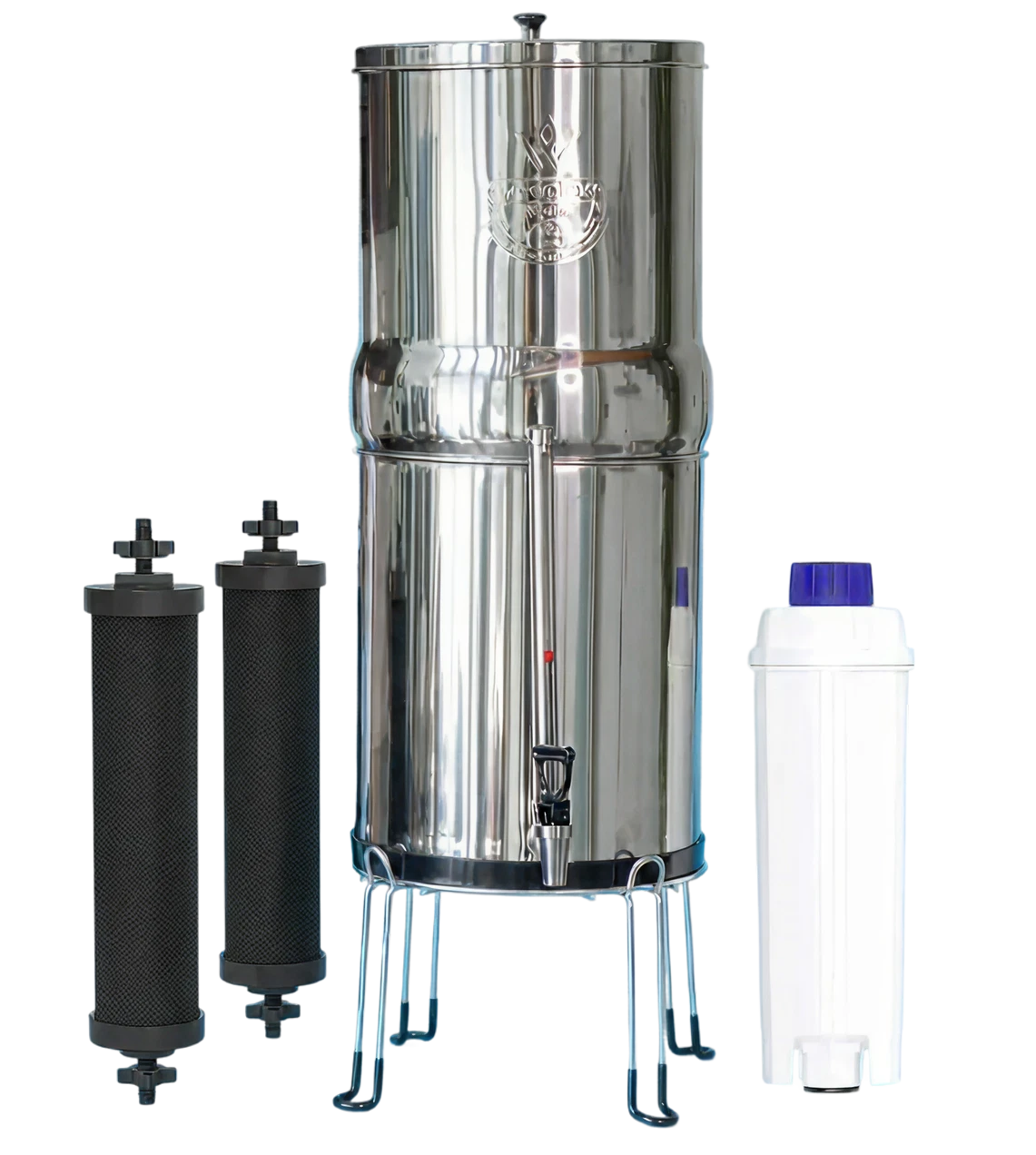
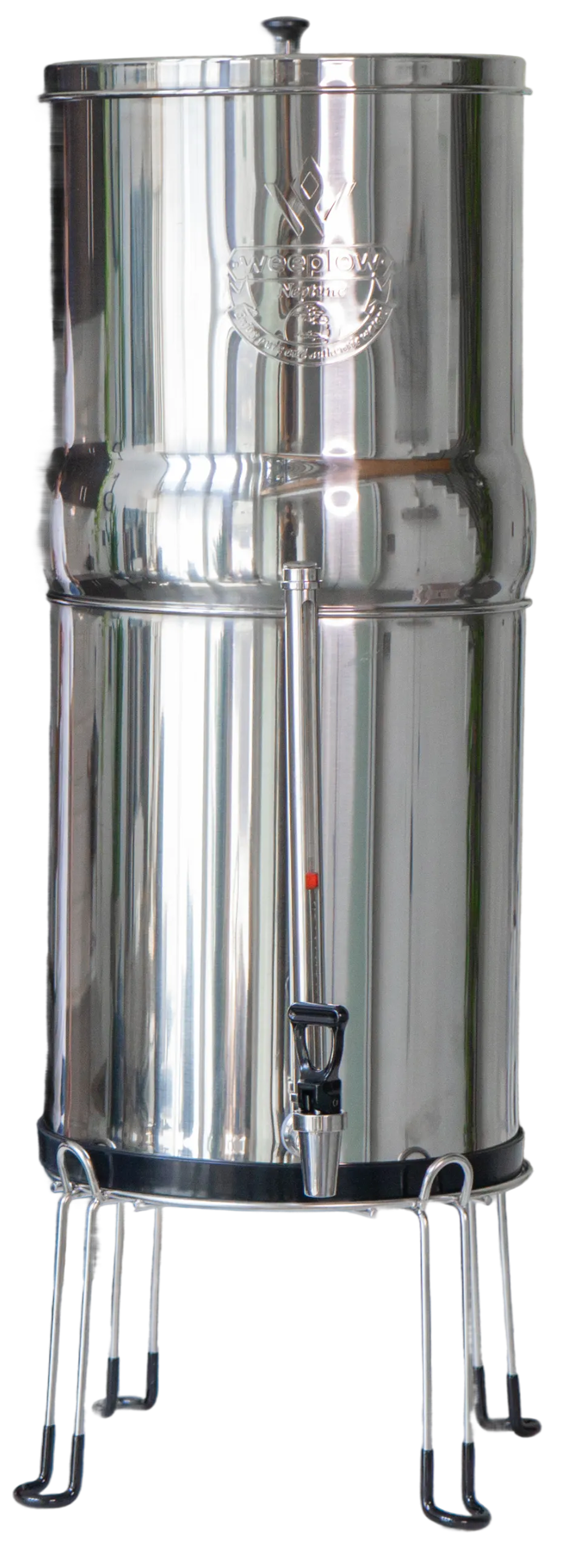
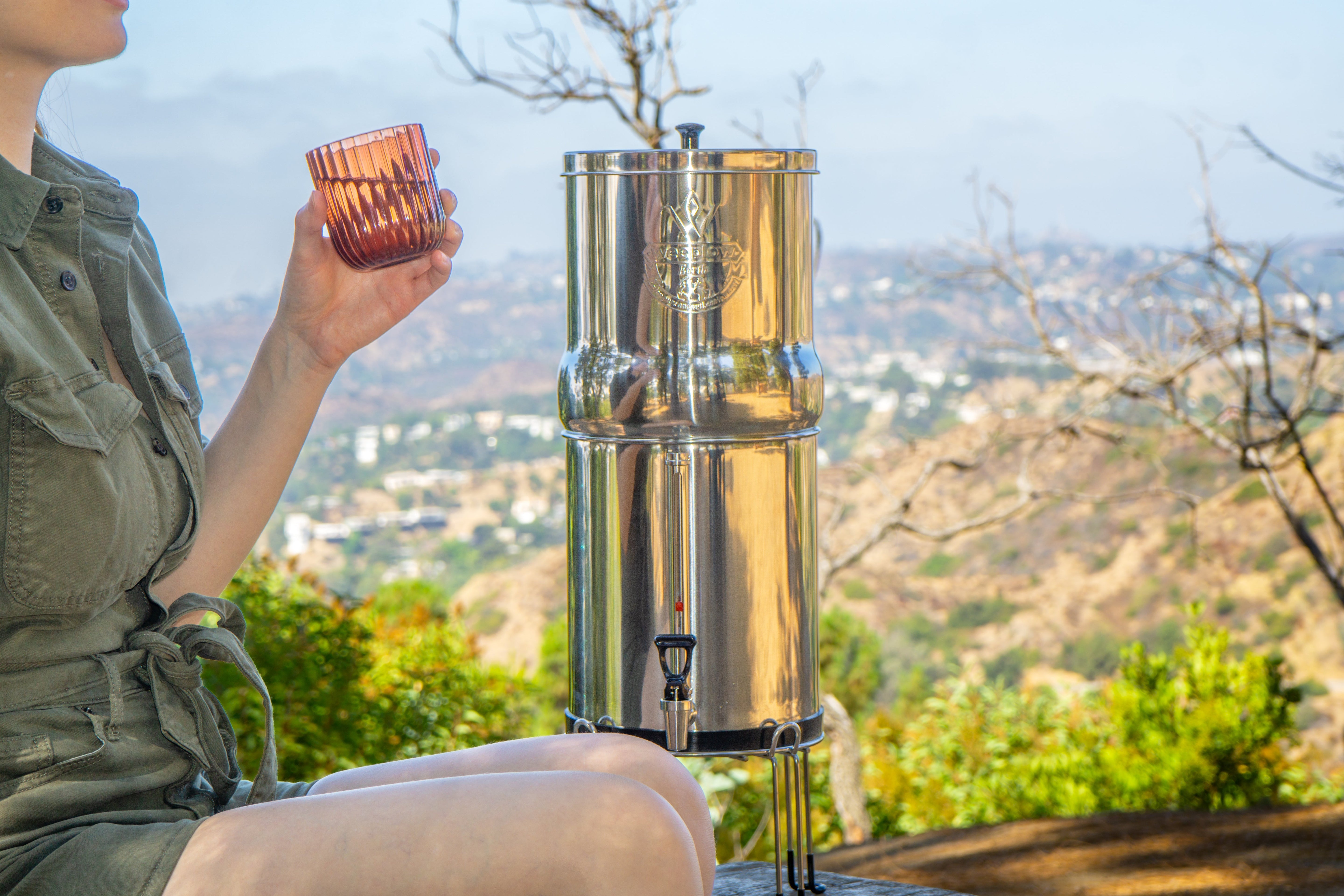
It is important to note that the quality of water distributed in Guadeloupe is regularly compromised by contamination incidents. Analyses carried out by health authorities highlight the presence of pollutants from agricultural, industrial and domestic sources. To avoid this issue, it is possible to buy a gravity filter combined with a carbon filter, which reduces their presence by 99%. It can even be used with river water.
However, leaks in wastewater systems encourage sewage infiltration into groundwater reserves and rivers.

Quality standards and contamination levels observed:
| Standard | Average Level Observed | |
| Nitrates | 50 mg/L | 65 mg/L |
| Pesticides | 0.1 µg/L | 0.3 µg/L |
| Coliform bacteria | 0 CFU/100mL | 10 CFU/100mL |
These repeated contamination incidents are of course combined with frequent water cuts. This inevitably has dramatic consequences for the daily lives of the island’s 390,000 residents. Faced with this unbearable situation, public anger continues to grow.
Residents have been demanding emergency measures and major investment for months to guarantee access to quality water.
The crisis in central Guadeloupe and surrounding areas is evident through both frequent and prolonged water cuts. According to the authorities, between 60% and 70% of residents face service interruptions. The areas most heavily affected are in the south of Grande-Terre, particularly Le Gosier and Sainte-Anne.
The average duration of cuts varies from a few days to several consecutive weeks. To limit the impact of these failures, the SMGEAG has introduced a rotating supply system.
It deprives certain neighbourhoods of water for several days in order to restore pressure in the pipes and refill reservoirs.
Guadeloupeans, especially those living in Grande-Terre, are going through an ordeal and feel there is no end in sight.
Agnès, a resident of Le Gosier, told Reporterre she was left without water for 18 days after sabotage of the transport network in March 2024. “You feel as though you smell bad and you feel dirty. I had to equip myself with a pot so I could relieve myself on the road. I am ashamed, it is humiliating.” She was forced to use a €2,300 system that recovers 12 litres of water by extracting humidity.
Amélie, another resident, says she spends considerable sums on bottled water. The budget reaches nearly €150 per week for a family of four.
This disruption to daily life creates frustration and fuels anger towards the authorities and the SMGEAG. One resident refuses to pay water bills because of the failed service.

The frustration of tourists should not be overlooked, while owners of holiday rentals are being heavily affected by the situation. Faced with recurring cuts, holidaymakers see their trips ruined and are quick to express dissatisfaction. For Jean-Jacques, a French tourist staying in Sainte-Anne, “It is inconceivable... It is inconvenient for us, but I think first of all of the Guadeloupeans who are living through this situation.”
Florence, a regular visitor to the island, says this will be her last stay because of the water and electricity problems. Holiday-let owners are dealing with refund requests from unhappy customers.
Some have had to incur extra costs to transport water and fill tanks. Many have bought bottles in an attempt to ease the situation.
| Period | Occupancy Rate (%) |
| Before the crisis | 85 |
| During the crisis | 40 |
In July 2024, four beaches in Le Gosier were temporarily closed to bathing because of bacterial pollution. Analyses carried out by the Regional Health Agency (ARS) revealed levels above regulatory thresholds for germs indicating faecal contamination, including enterococci and Escherichia coli. This represents a serious threat to seaside tourism, which remains a pillar of Guadeloupe’s economy.
With more than 500,000 visitors per year, the sector generates major benefits for the archipelago. Prolonged closure of the most popular beaches would inevitably have severe consequences for visitor numbers.
Local authorities and tourism professionals are calling for emergency measures and substantial investment to restore a supply of quality water. Politicians have announced an exceptional support plan, but residents and tourism professionals remain sceptical about whether these measures will truly be implemented.
On social media, the hashtag #balancetonsiaeag has gone viral, allowing Guadeloupeans to share their daily difficulties. Numerous posts with photos and videos denounce recurring cuts and what is seen as inaction from France.
Screenshots of these posts have been widely shared by the media, highlighting the scale of the crisis and the distress of the population while politicians appear silent. Demonstrations have also taken place in several municipalities across the island, gathering thousands of people demanding lasting solutions.
At the same time, temporary measures have been introduced to deal with water cuts, including the distribution of bottled water packs and the installation of tanks in the worst affected neighbourhoods. This is not enough to solve the crisis.
A detailed works timetable has been shared with residents so they can track progress. An online tool has also been developed to inform users in real time about cuts and scheduled rotation periods.
Despite these measures, many residents remain sceptical about the ability of politicians to resolve the crisis permanently. The investments announced are considered insufficient compared with the scale of the challenges ahead: replacing pipes and securing water resources.
Nitrates et méthémoglobinémie : quels risques pour l’eau du robinet ? Comprenez le lien entre ces deux éléments et ce que cela signifie pour votre eau au quotidien.
Researchers are increasingly studying the possible effects of chronic exposure to nitrates in drinking water. Here is what current research actually says about the potential risks associated with l...
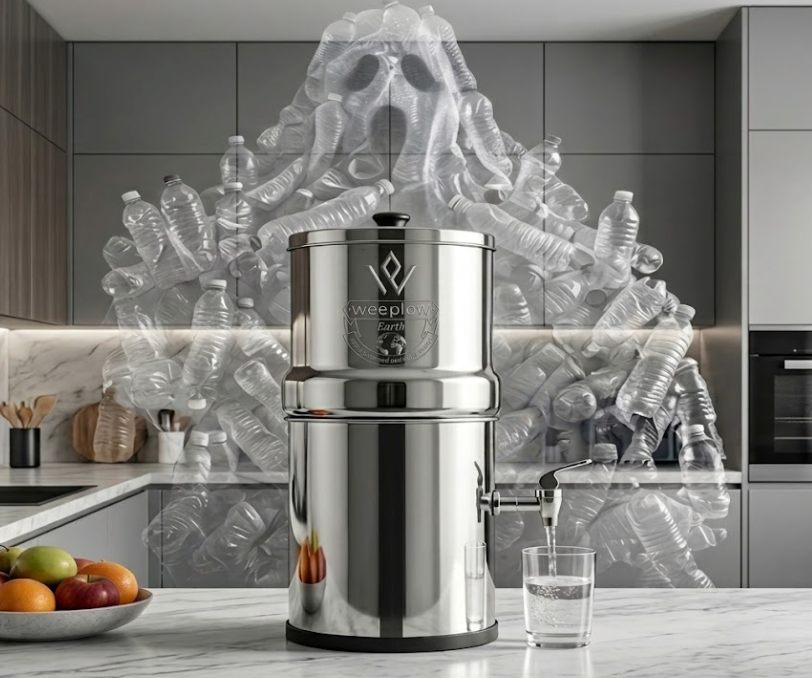
Introduction Each year, a French household spends hundreds of euros on bottled water. It is carried home from the supermarket, stored in the kitchen, reassured by the image of mountains on ...
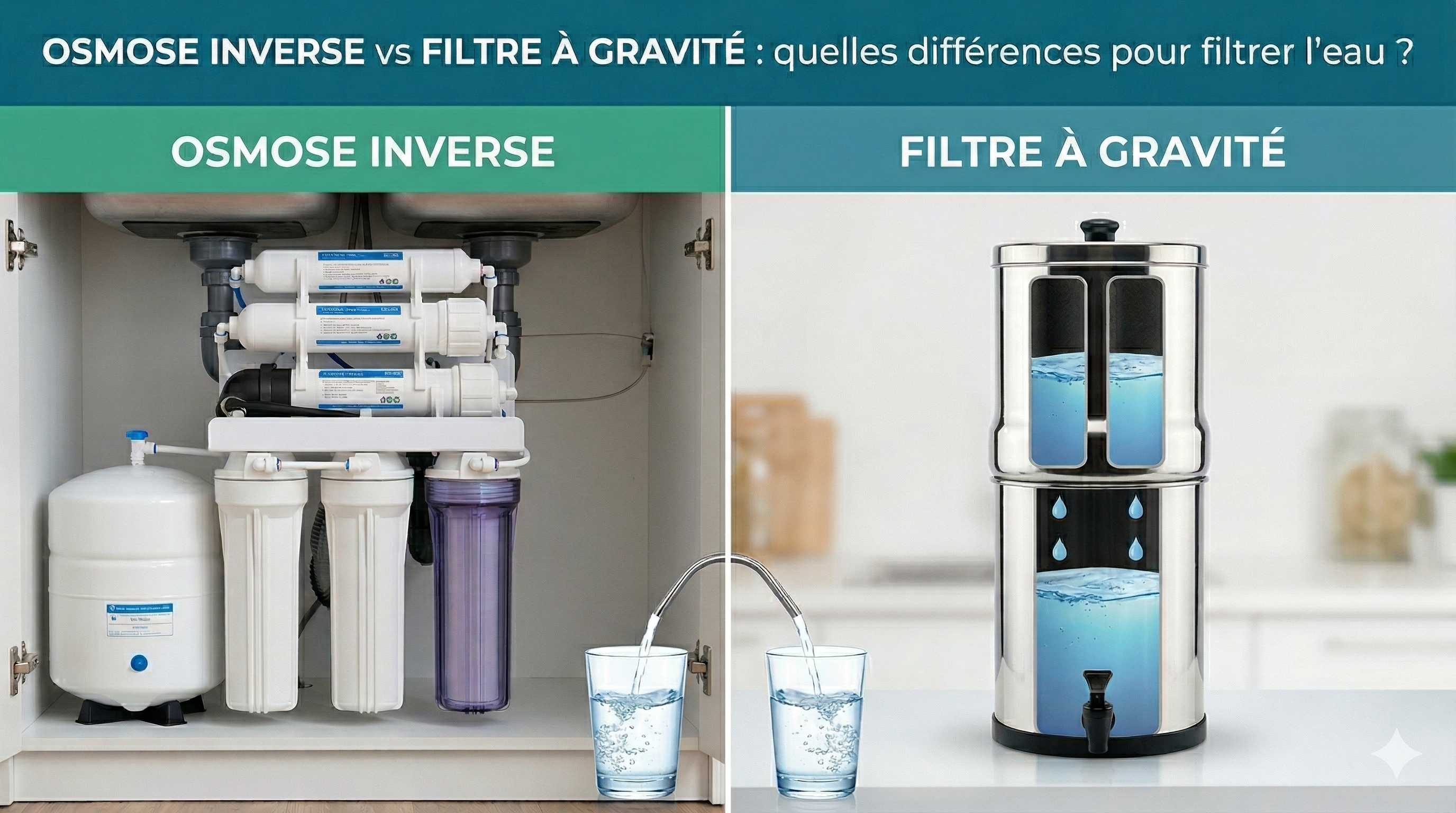
Reverse osmosis or a gravity filter: what are the differences when filtering drinking water? Discover how these two technologies work, along with their advantages and limitations for reducing conta...
Tap water is often treated to make it drinkable, but it can still contain traces of pollutants. These may include chlorine, pesticides, nitrates and pharmaceutical residues. These substances can ca...