


Consigne de faire bouillir l’eau : causes, risques et solutions. Comprenez quand et pourquoi ces recommandations sont émises et comment réagir.
Your Cart
(0 products)
Your cart is empty

PFAS (per- and polyfluoroalkyl substances) are a large class of synthetic chemicals characterised by chains of carbon and fluorine atoms.
They have been used since the 1950s in a wide range of everyday consumer products because of their non-stick, water-resistant and heat-resistant properties. This includes everything from non-stick coatings and textiles to cosmetics.
Because of their persistence and mobility, PFAS are also found in our drinking water, as well as in soil, air and the food chain. These chemical compounds break down very slowly, meaning they can build up over time and pose a threat to public health and the environment.
In this article, we share practical tips on how to avoid PFAS in daily life.
The simplest way to protect your health from the invisible threat of PFAS is to avoid products that contain them. This naturally means knowing how to recognise them.
Look out in particular for these names linked to forever chemicals:
It is worth noting that manufacturers are not always required to indicate the presence of PFAS on labels. For clothing, for example, stay alert for terms such as “waterproof”, “stain-resistant” or “water-repellent treatment”.
Some apps, such as INCI Beauty, can also help by scanning ingredient lists and identifying PFAS.
PFAS have become embedded in many aspects of modern life, promising durability, water resistance and many other benefits.
These forever chemicals are commonly found in:
Some common products, such as dental floss, electronics, toothpaste and furniture, may contain PFAS. To reduce exposure in daily life, consider the following:
Although PFAS are present in many everyday products, there are often lower-risk alternatives available.
Teflon cookware, long valued for its non-stick properties, now faces increasing criticism because of PFAS concerns. Stainless steel and steel pans may require a little more care in use, but they offer a healthy, durable and eco-friendly alternative.
Some manufacturers improve performance by adding layers of copper or other metals.
You may also consider ceramic cookware. However, this can be a more complicated choice because the exact composition of some coatings is not always clear.
In cosmetics and hygiene products, PFAS may be used to improve spreadability, adhesion, water resistance or product durability.
They may be found in:
These chemicals are particularly common in “long-lasting” or “waterproof” products, so these are a good place to start avoiding them.
Another effective way to limit exposure is to choose organic or eco-certified cosmetics. Labels such as Natrue, Ecocert Cosmos, Cosmebio and the EU Ecolabel indicate products free from PFAS.
Without a label, look for the ingredient names mentioned earlier. In cosmetics and hygiene products, less is often better. Fewer ingredients generally means fewer risks from unnecessary chemicals.
PFAS are found in many textiles, including:
To reduce exposure through textiles and lessen environmental impact, second-hand clothing can be a smart option. If buying new, labels such as Bluesign, GOTS and OEKO-TEX support more sustainable production and restrict harmful substances, including PFAS.
New technologies also allow waterproof textiles to be made without PFAS, using materials such as natural waxes or silicones. Organisations such as The Good Goods list brands committed to these alternatives.
The way you approach food can also help reduce exposure to forever chemicals. This applies both to what you eat and the mains water you drink.
To reduce exposure through diet, start by limiting foods considered higher risk. This may include:
For food storage, choose reusable containers made from stainless steel or glass. If compostable packaging is certified PFAS-free, this can be an even better option.
Avoid paper packaging treated with PFAS, such as some pizza boxes or microwave popcorn bags.
As mentioned earlier, avoid cooking with damaged non-stick pans, especially scratched pans or those used at very high heat. Prefer wooden or silicone utensils and healthier cooking methods.
For example, wash fruit and vegetables thoroughly, cook foods at lower temperatures and avoid heating food in plastic packaging.
Water makes up around 60% of an adult body weight and plays a vital role in transporting nutrients and removing waste. Unfortunately, drinking water can be contaminated by many PFAS compounds.
Check water quality reports and investigations published by local or national authorities. If PFAS levels are high, consider water treatment solutions.
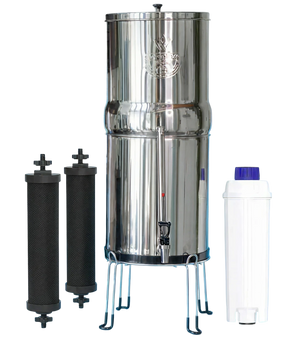
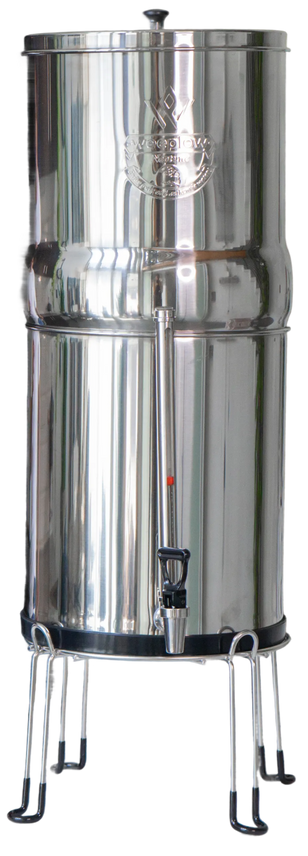
For example, activated carbon filters are effective at reducing PFAS in drinking water. This is why our gravity-fed water filtration systems can neutralise up to 99.999% of harmful contaminants. Your immune system may also benefit from using filtered water for cooking, coffee and tea preparation.
Recently, members of the French National Assembly took an important step by approving, at first reading, a proposed law aimed at limiting the use of certain PFAS. Products affected include cosmetics, textiles, food packaging and sports equipment.
However, after strong lobbying from industry groups, kitchen utensils were excluded from the scope of the law. While progress is being made, the issue is far from resolved. It is therefore essential to stay informed and take steps to reduce your own exposure to PFAS.
Filtering your tap water is one important step. Feel free to browse our online shop to find the gravity filtration system best suited to your household’s needs.
Consigne de faire bouillir l’eau : causes, risques et solutions. Comprenez quand et pourquoi ces recommandations sont émises et comment réagir.
Les nitrates dans l’eau du robinet sont fréquents mais invisibles. Découvrez leur origine, les risques potentiels et les solutions pour mieux comprendre votre eau au quotidien.
Les nitrates sont difficiles à détecter sans analyse. Découvrez comment ils se retrouvent dans l’eau du robinet, pourquoi ils sont surveillés et comment tester votre eau simplement.
Les nitrates peuvent être présents naturellement dans l’eau, mais certaines activités, notamment agricoles, peuvent augmenter leur concentration. Découvrez la limite applicable en France, comment v...
Nitrat kommt natürlich in Böden, Pflanzen und Wasser vor. Erhöhte Konzentrationen können jedoch insbesondere im Grundwasser auftreten. Erfahren Sie, wie der Nitratgrenzwert in Deutschland geregelt ...