



“Blue baby syndrome” is one of the key reasons nitrate levels in drinking water are regulated. Here’s how it works—and why it still matters today.
Your Cart
(0 products)
Your cart is empty
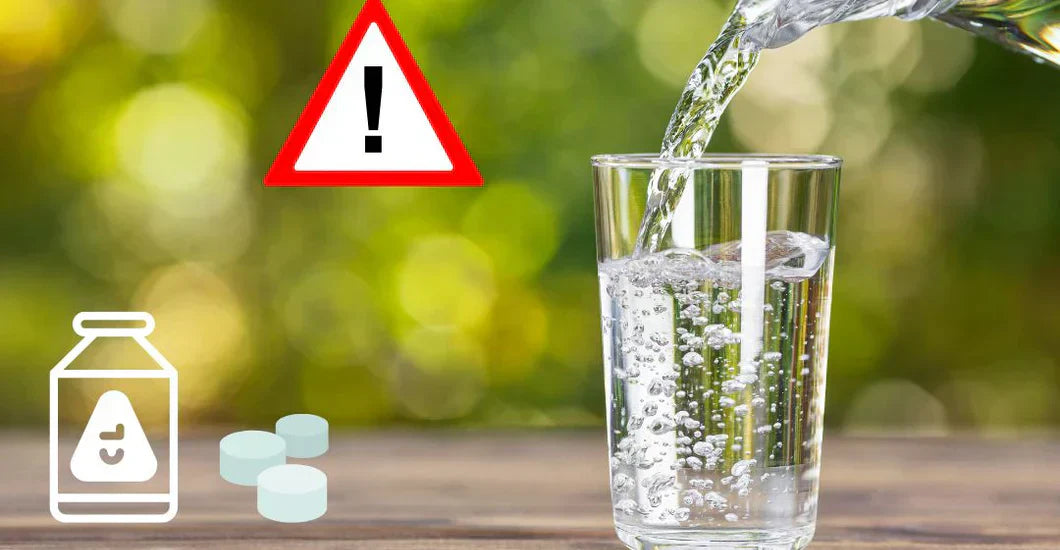
For decades, chlorine has served as the frontline defence for disinfecting tap water. Its efficiency, affordability, and ease of use have made it a staple of large-scale water treatment across the globe.
However, this widespread reliance raises significant questions. Concerns are growing regarding harmful disinfection by-products and the rise of chlorine-resistant microorganisms. In this article, we explore the potential risks of chlorinated water and how you can safeguard your family’s health.
Chlorine is added to our water supply for one primary reason: pathogen control. It acts as a potent disinfectant, eliminating dangerous bacteria and viruses that can cause severe waterborne illnesses.
The chlorine in your tap is rarely "pure." Instead, it exists as chlorine-based compounds that dissolve easily and often bond with sodium. In the UK, water authorities typically use two forms:
Chlorine doesn't just "stun" germs; it systematically destroys them through several biological attacks:
Despite the drawbacks, chlorine remains popular compared to UV light or ozone because of its residual effect. It stays active within the vast network of underground pipes, ensuring the water remains sterile from the treatment plant all the way to your kitchen sink.
While chlorine is effective at preventing acute diseases like cholera, it is not a perfect solution. It cannot eliminate all parasites, and its reaction with organic matter creates disinfection by-products (DBPs)—chemical residues that stay in your glass.
Long-term exposure to these by-products has been linked to:
If you are looking for a cleaner way to hydrate, several professional-grade technologies offer superior results without the chemical aftertaste:
You don't have to settle for "swimming pool" water. You can significantly improve your water quality with a few simple changes.
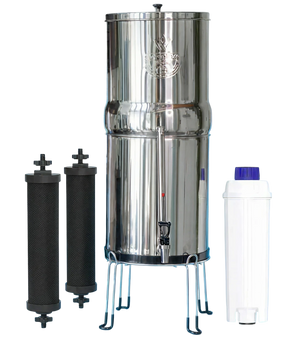
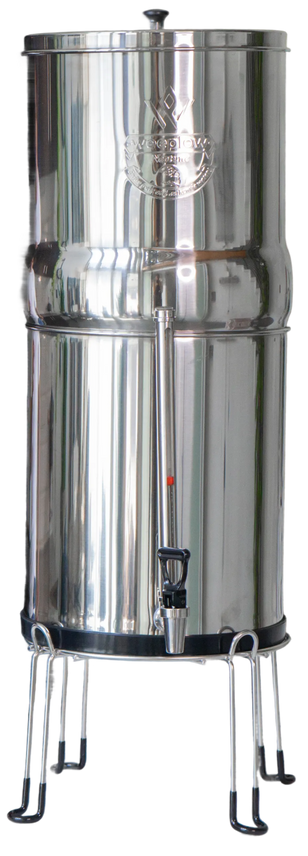
Modern home systems provide the most reliable protection. At Weeplow, our gravity-based filters are engineered to adsorb chlorine, heavy metals, and PFAS, restoring the natural, crisp taste of pure water.
Chlorine does a vital job for public safety, but that doesn't mean it belongs in your body. Domestic filtration is the simplest, most effective way to take control of what you drink.
Ready for a change? Explore our range of gravity-fed water filters and experience the Weeplow difference.
In the UK, water companies maintain a "residual" level of chlorine. While deemed safe, many people find the taste and smell off-putting even at low concentrations.
Yes. The industrial production of chlorine is energy-heavy and can produce greenhouse gases. Furthermore, chlorinated water runoff can be detrimental to the delicate balance of local soil and aquatic life.
“Blue baby syndrome” is one of the key reasons nitrate levels in drinking water are regulated. Here’s how it works—and why it still matters today.
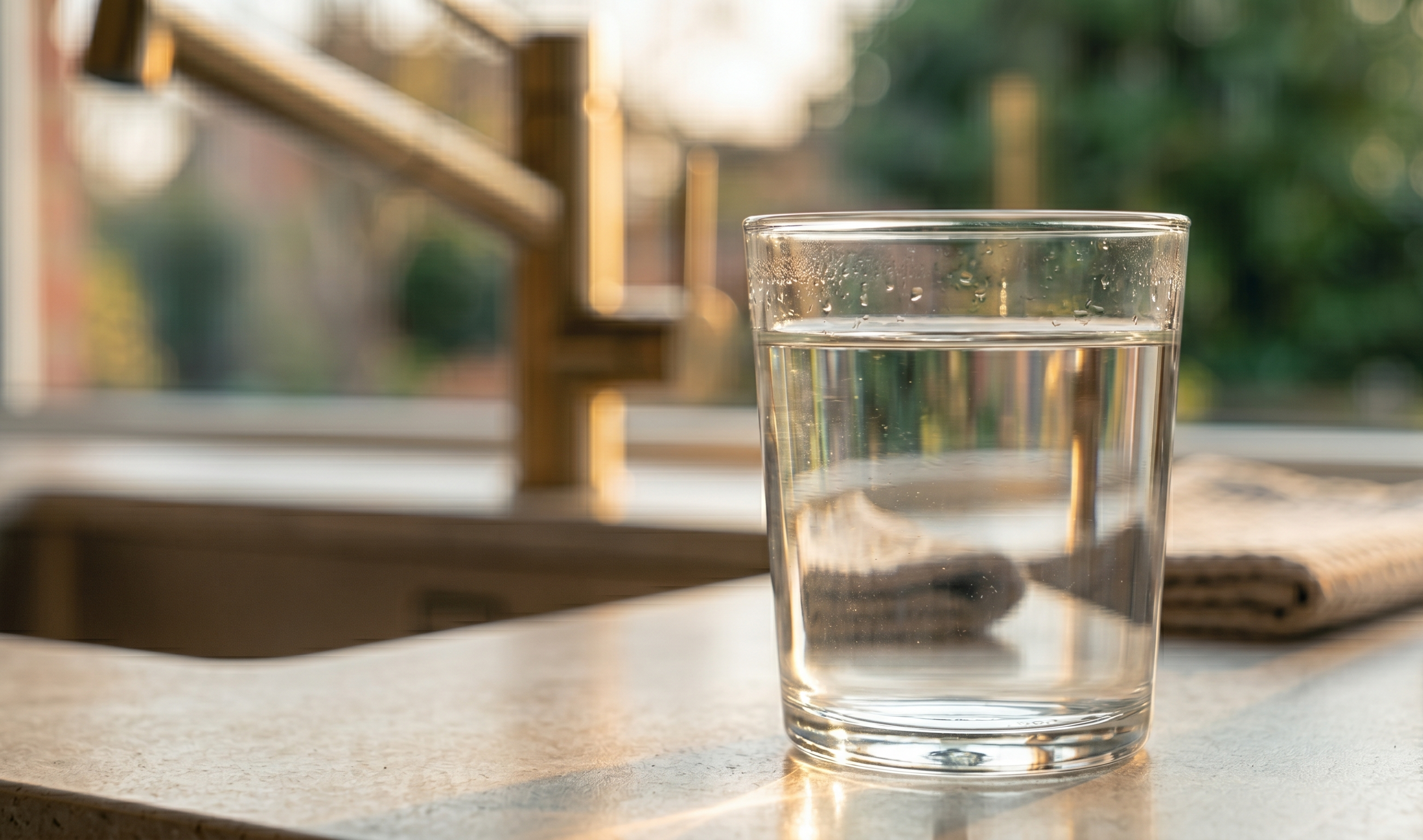
Research into nitrates and cancer is still evolving, but scientists are paying closer attention to what long-term exposure in drinking water could mean for health over time. Here’s what current res...
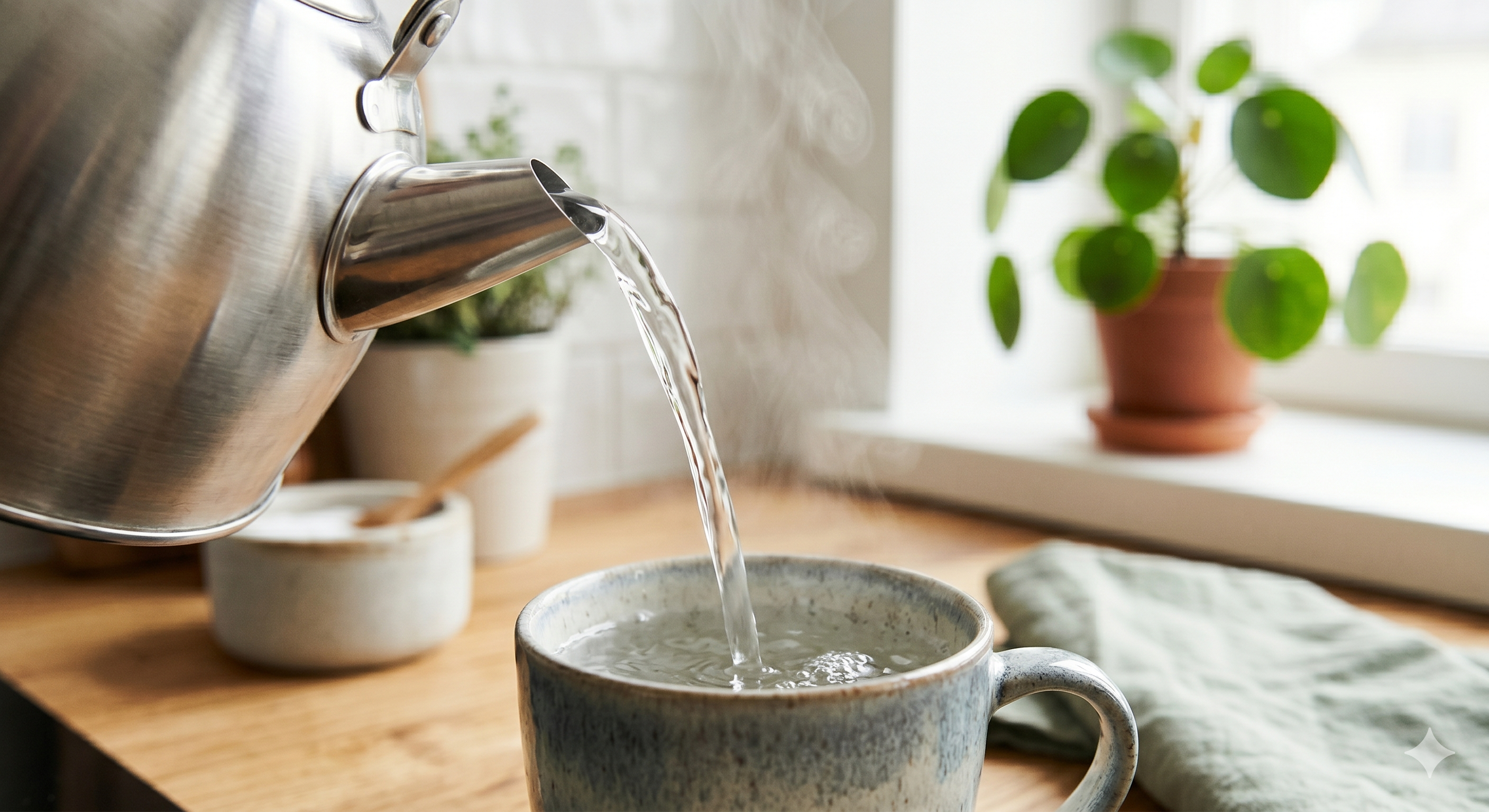
Boil water notices can feel unexpected, but they’re a normal part of how water quality is managed. This guide explains what they mean, why they happen, and exactly what to do at home—so you can han...
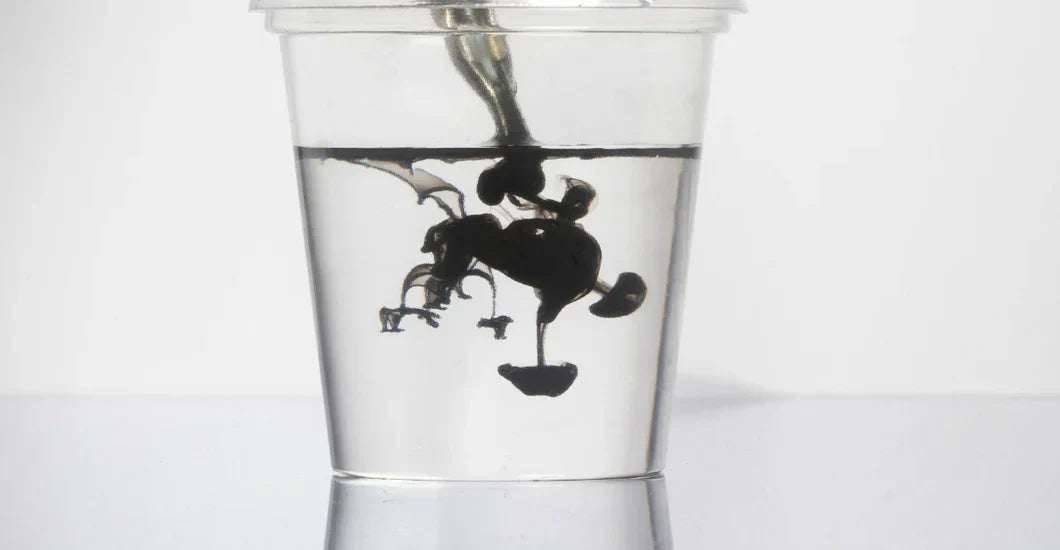
A viral video shared on X (formerly Twitter) has attracted millions of views. In the clip, a man attempts to prove that bottled mineral water is heavily contaminated by using an electrolysis device...
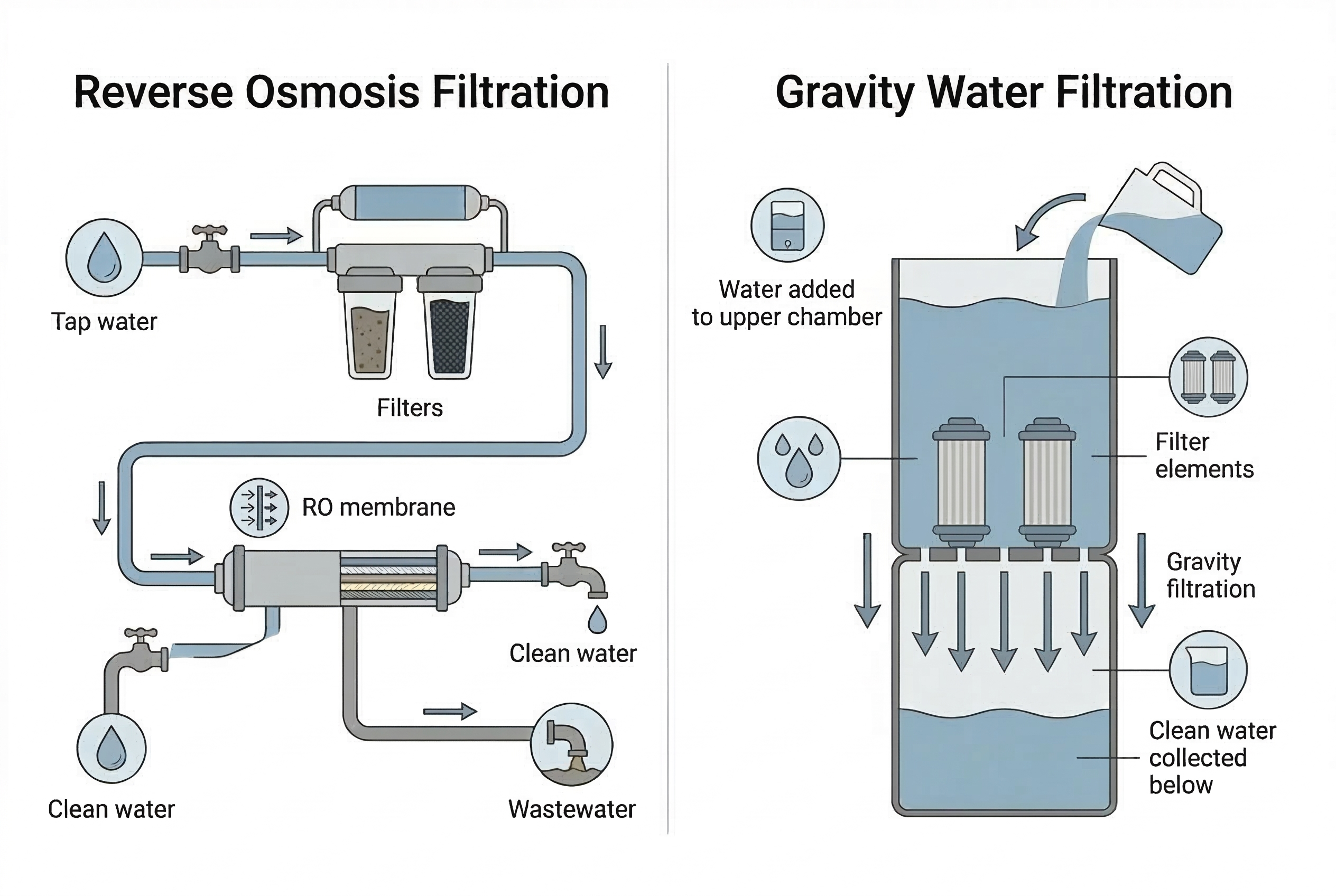
Reverse osmosis and gravity water filters both improve drinking water quality, but they work in very different ways. Learn how each system works, what contaminants they remove, and which option may...