




“Blue baby syndrome” is one of the key reasons nitrate levels in drinking water are regulated. Here’s how it works—and why it still matters today.
Your Cart
(0 products)
Your cart is empty

In response to growing concern around per- and polyfluoroalkyl substances (PFAS), the UK Government has announced new measures aimed at strengthening oversight of these so-called “forever chemicals”. PFAS contamination has become an increasing issue in drinking water, soil and the wider environment, raising important long-term public health concerns.
UK authorities are now moving towards stricter monitoring of PFAS in drinking water supplies, alongside consultations on future restrictions and legally enforceable safety limits for certain substances.
In recent years, regulators across Europe and the UK have come under mounting pressure to address PFAS contamination more aggressively. While the UK has not yet introduced a full product ban similar to France, new government plans focus on improving monitoring, reducing industrial emissions and assessing the risks associated with long-term PFAS exposure.
Industries are increasingly being encouraged to identify safer alternatives where possible. Certain PFAS-containing products may also face tighter restrictions in the coming years as scientific understanding develops further.

PFAS are notorious for their persistence; they simply do not break down in the natural environment. Consequently, they accumulate in water supplies, soil, wildlife, and the human body. Clinical research has linked exposure to kidney and testicular cancers, low birth weight, hormonal imbalances, and weakened immune systems.
UK regulators and water authorities are therefore increasing testing programmes and reviewing current safety standards. More detailed guidance and updated monitoring frameworks are expected to continue developing over the next few years.
The UK’s evolving approach mirrors wider discussions taking place across Europe. In 2023, Germany, Denmark, Norway, the Netherlands, and Sweden jointly proposed a continent-wide ban on the use of PFAS.
Unified health and environmental standards are intended to close regulatory loopholes and prevent unfair competition. Key items such as food packaging and cookware are expected to face tighter restrictions across Europe in the coming years.
The growing regulatory focus on PFAS is rooted in extensive scientific studies regarding chemical risks. Researchers have issued long-standing warnings about the accumulation of these substances in the food chain and everyday consumer goods.
PFAS include chemicals such as PFOS and PFOA, prized for their water-repellent and heat-resistant properties, but which remain in the environment indefinitely.
The objective is to better understand contamination levels and identify potential industrial sources of PFAS across Europe and the UK.

PFAS contamination is as much a threat to water as it is to soil. UK regulators are now increasing monitoring efforts for drinking water quality, with greater emphasis being placed on transparency and long-term public health protection. An annual public report can help consumers better understand local water quality concerns.
These findings are expected to shape future health standards and support efforts to reduce PFAS contamination in drinking water over time.
The UK Government has also signalled increased scrutiny of industrial PFAS emissions. Water companies and environmental regulators are under growing pressure to identify pollution sources and strengthen remediation efforts where contamination is detected.
Additional funding and infrastructure upgrades may be required in the years ahead to improve treatment capacity and reduce long-term environmental exposure.
Reducing PFAS exposure is expected to deliver important public health benefits. European health agencies have linked these substances to cancer, hormonal disruption, and developmental concerns in children.
At the same time, some industries may face significant transition costs as regulations tighten and safer alternatives become more widely adopted.
Public access to water quality information is becoming increasingly important as awareness of PFAS contamination grows. Greater transparency allows households to better understand potential exposure risks and make more informed choices about the products they use and the water they drink.
This growing focus on transparency is also encouraging broader discussions around long-term environmental accountability and water safety standards.
While the UK has not yet introduced a nationwide PFAS product ban on the scale seen in France, regulatory momentum is clearly increasing. Strengthened monitoring, tighter standards and growing scientific scrutiny all point towards a more precautionary approach in the years ahead.
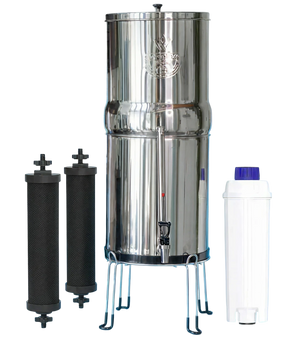
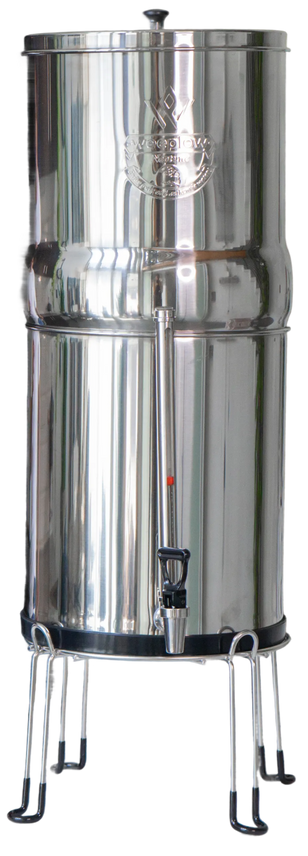
Individuals can also take proactive steps to limit their exposure. For example, activated carbon filtration systems can be highly effective at reducing PFAS levels in domestic drinking water.
Tackling PFAS remains a major environmental challenge affecting water, soil and ecosystems alike. Long-term action, improved monitoring and greater public awareness will all play an important role in protecting both human health and the natural world.
“Blue baby syndrome” is one of the key reasons nitrate levels in drinking water are regulated. Here’s how it works—and why it still matters today.

Research into nitrates and cancer is still evolving, but scientists are paying closer attention to what long-term exposure in drinking water could mean for health over time. Here’s what current res...

Boil water notices can feel unexpected, but they’re a normal part of how water quality is managed. This guide explains what they mean, why they happen, and exactly what to do at home—so you can han...
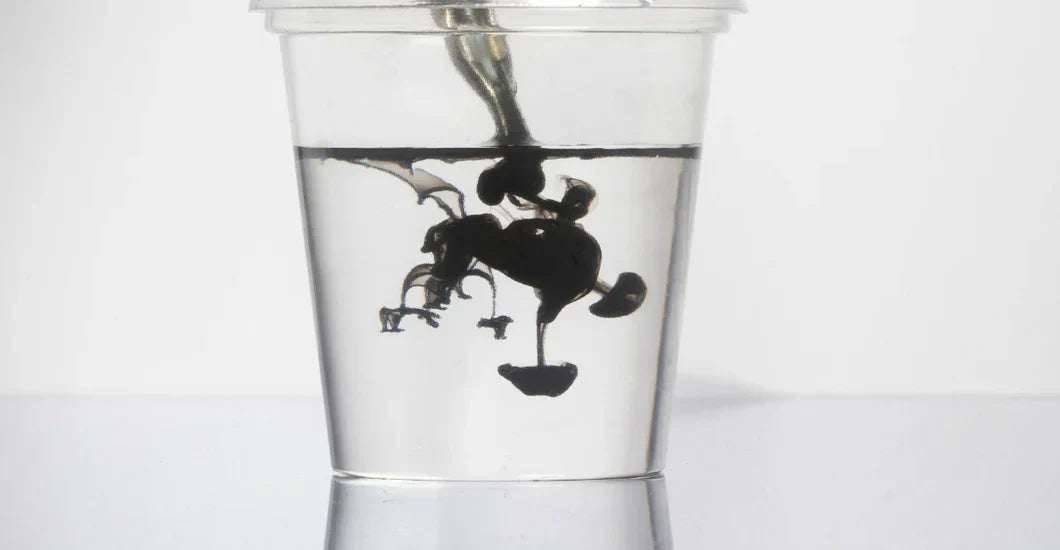
A viral video shared on X (formerly Twitter) has attracted millions of views. In the clip, a man attempts to prove that bottled mineral water is heavily contaminated by using an electrolysis device...
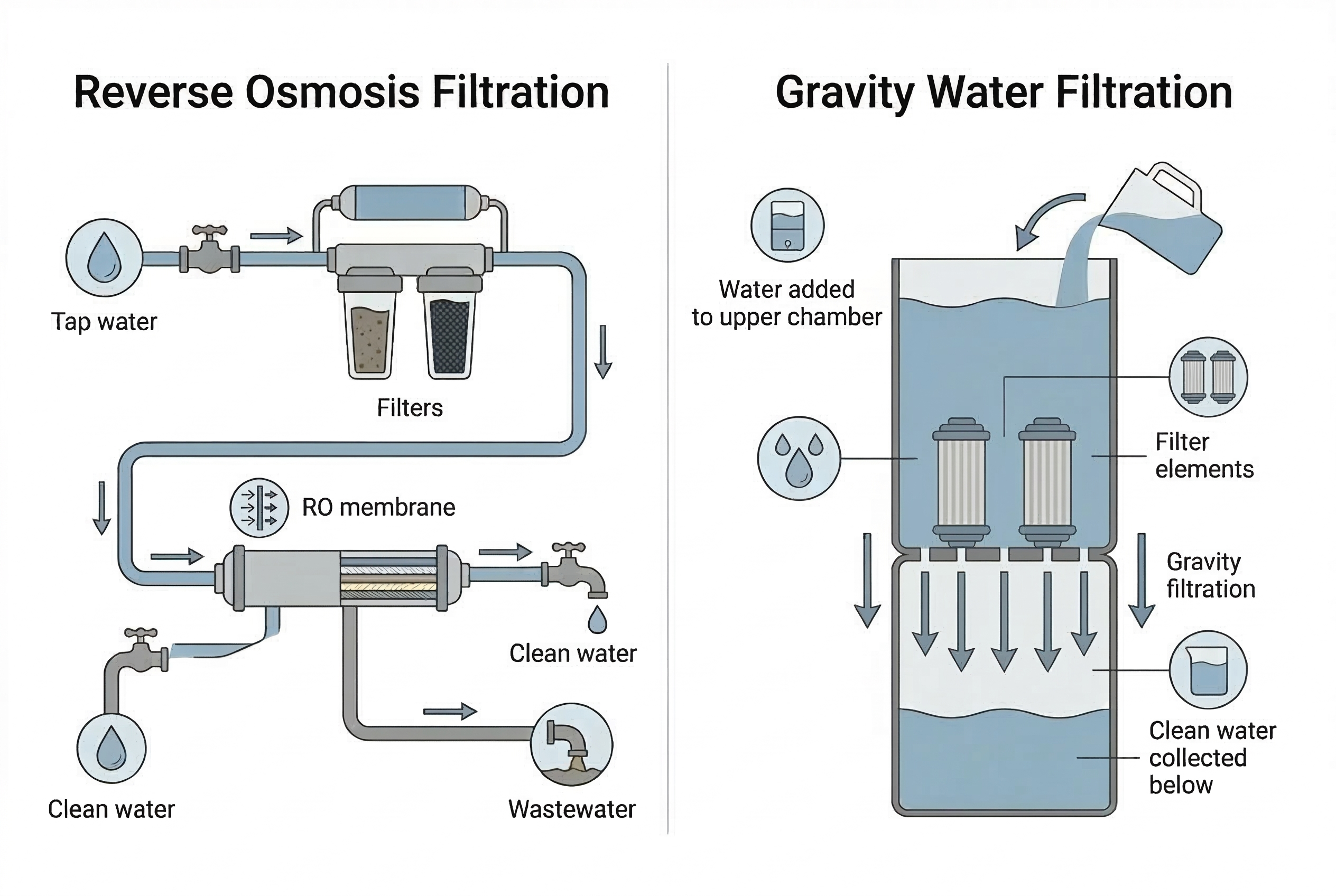
Reverse osmosis and gravity water filters both improve drinking water quality, but they work in very different ways. Learn how each system works, what contaminants they remove, and which option may...