



“Blue baby syndrome” is one of the key reasons nitrate levels in drinking water are regulated. Here’s how it works—and why it still matters today.
Your Cart
(0 products)
Your cart is empty

The Camelford water contamination incident remains one of the most serious drinking water scandals in modern UK history. More than three decades later, it still raises difficult questions about chemical exposure, public health transparency and long-term trust in drinking water safety.
In July 1988, approximately 20 tonnes of aluminium sulphate were accidentally poured into the wrong tank at the Lowermoor water treatment works near Camelford, Cornwall. The chemical entered the local drinking water supply, exposing thousands of residents across North Cornwall to heavily contaminated tap water.
Aluminium sulphate is commonly used during water treatment in controlled quantities. However, during the Camelford incident, an extremely large amount was mistakenly discharged directly into the public water system.
Residents quickly began reporting unusual changes to their tap water, including a metallic taste, unpleasant odours and discoloured water. Many people also experienced immediate symptoms such as nausea, stomach pain, skin irritation, diarrhoea and mouth ulcers.

It is estimated that around 20,000 residents were exposed to contaminated drinking water during the incident. The affected area included Camelford and several nearby villages supplied by the same treatment works.
While water authorities initially attempted to manage the situation, critics later argued that residents were not warned quickly enough about the seriousness of the contamination.
Over the years, many residents claimed they continued to suffer from ongoing health problems following exposure. Reported symptoms included memory loss, chronic fatigue, joint pain, neurological issues and concentration difficulties.
The long-term effects of aluminium exposure became a major point of controversy, with some researchers and campaigners questioning whether the incident had contributed to cognitive decline and neurological illness in certain individuals.
Scientific reviews have reached mixed conclusions over the years. Some official investigations stated that evidence linking the incident to long-term illness remained inconclusive, while affected residents argued that their concerns were not fully acknowledged.
The controversy surrounding Camelford was not limited to the contamination itself. Public criticism increasingly focused on how the incident was handled by water authorities and government agencies.
The incident eventually became a symbol of wider concerns surrounding environmental health oversight and public trust in drinking water systems.

Several official investigations and scientific reviews were conducted in the years following the contamination event. Parliamentary debates, toxicology reports and medical studies examined both the immediate response and the possible long-term health implications.
The UK Committee on Toxicity later reviewed available evidence and acknowledged that the incident had caused considerable public distress, although debates regarding long-term effects continued for many years. A British Medical Journal review also highlighted ongoing uncertainty surrounding the long-term health consequences reported by some residents.
The Camelford incident remains one of the UK’s most widely discussed examples of drinking water contamination, particularly in conversations about environmental accountability and chemical safety.
Today, the Camelford incident continues to influence discussions around drinking water monitoring, crisis communication and environmental transparency in the UK.
Modern treatment systems and monitoring standards have improved significantly since 1988. However, incidents involving PFAS, industrial pollution and chemical contamination continue to remind the public that water safety requires constant oversight.
For many households, these concerns have also increased interest in domestic water filtration. Activated carbon filtration systems can help reduce certain contaminants, improve taste and provide additional peace of mind regarding everyday drinking water quality.
The Camelford contamination incident highlighted how essential public trust is when it comes to drinking water safety. Even decades later, it remains a reminder of the importance of transparency, rapid communication and rigorous monitoring standards.
While drinking water in the UK is heavily regulated today, many people still choose to take additional steps to improve water quality at home. Gravity water filtration systems can help reduce impurities and provide cleaner, better-tasting water for everyday use.
Understanding past environmental incidents also helps encourage more informed conversations about water quality, public health and long-term environmental responsibility.
“Blue baby syndrome” is one of the key reasons nitrate levels in drinking water are regulated. Here’s how it works—and why it still matters today.

Research into nitrates and cancer is still evolving, but scientists are paying closer attention to what long-term exposure in drinking water could mean for health over time. Here’s what current res...

Boil water notices can feel unexpected, but they’re a normal part of how water quality is managed. This guide explains what they mean, why they happen, and exactly what to do at home—so you can han...
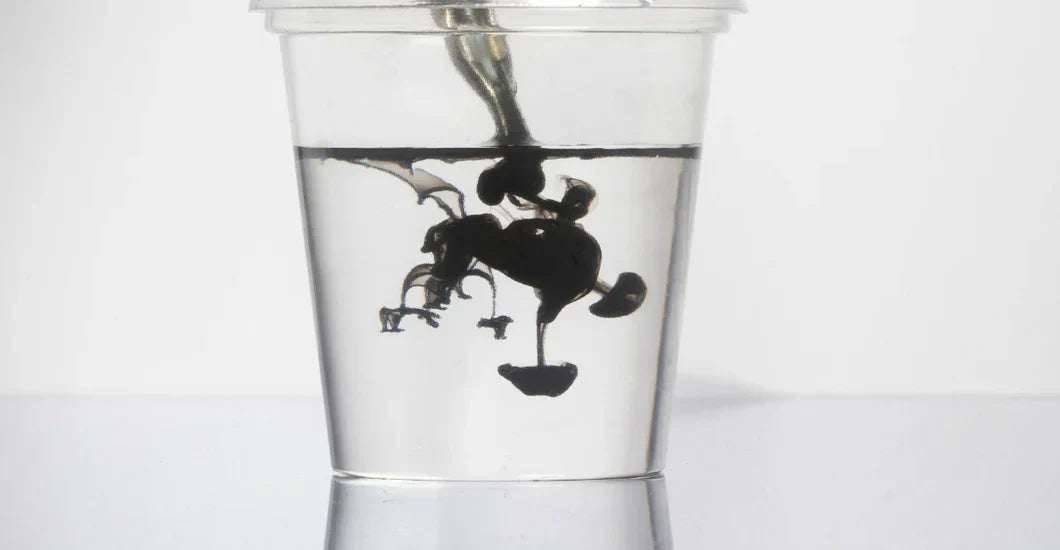
A viral video shared on X (formerly Twitter) has attracted millions of views. In the clip, a man attempts to prove that bottled mineral water is heavily contaminated by using an electrolysis device...
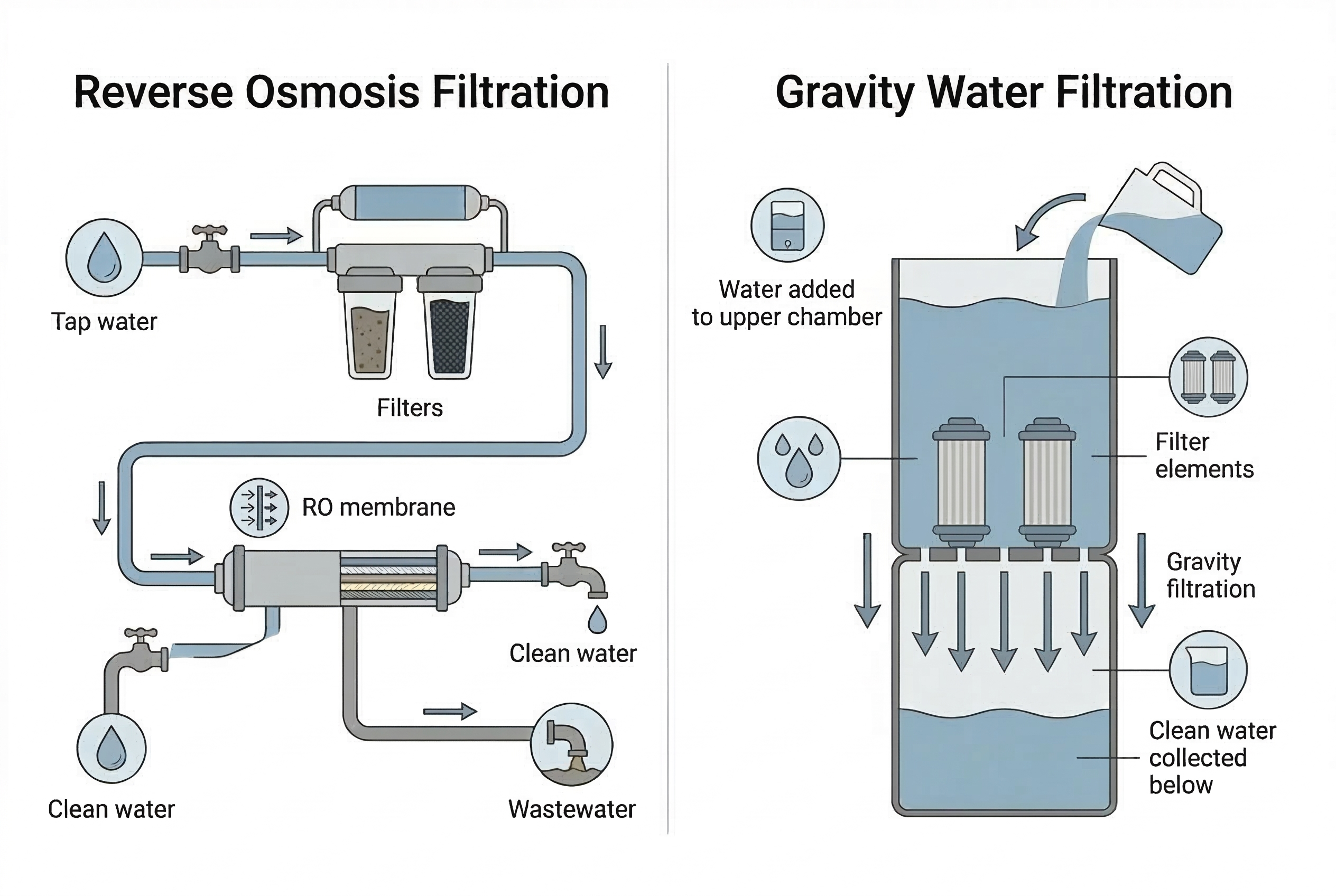
Reverse osmosis and gravity water filters both improve drinking water quality, but they work in very different ways. Learn how each system works, what contaminants they remove, and which option may...