



“Blue baby syndrome” is one of the key reasons nitrate levels in drinking water are regulated. Here’s how it works—and why it still matters today.
Panier
(0 article)
Votre panier est vide
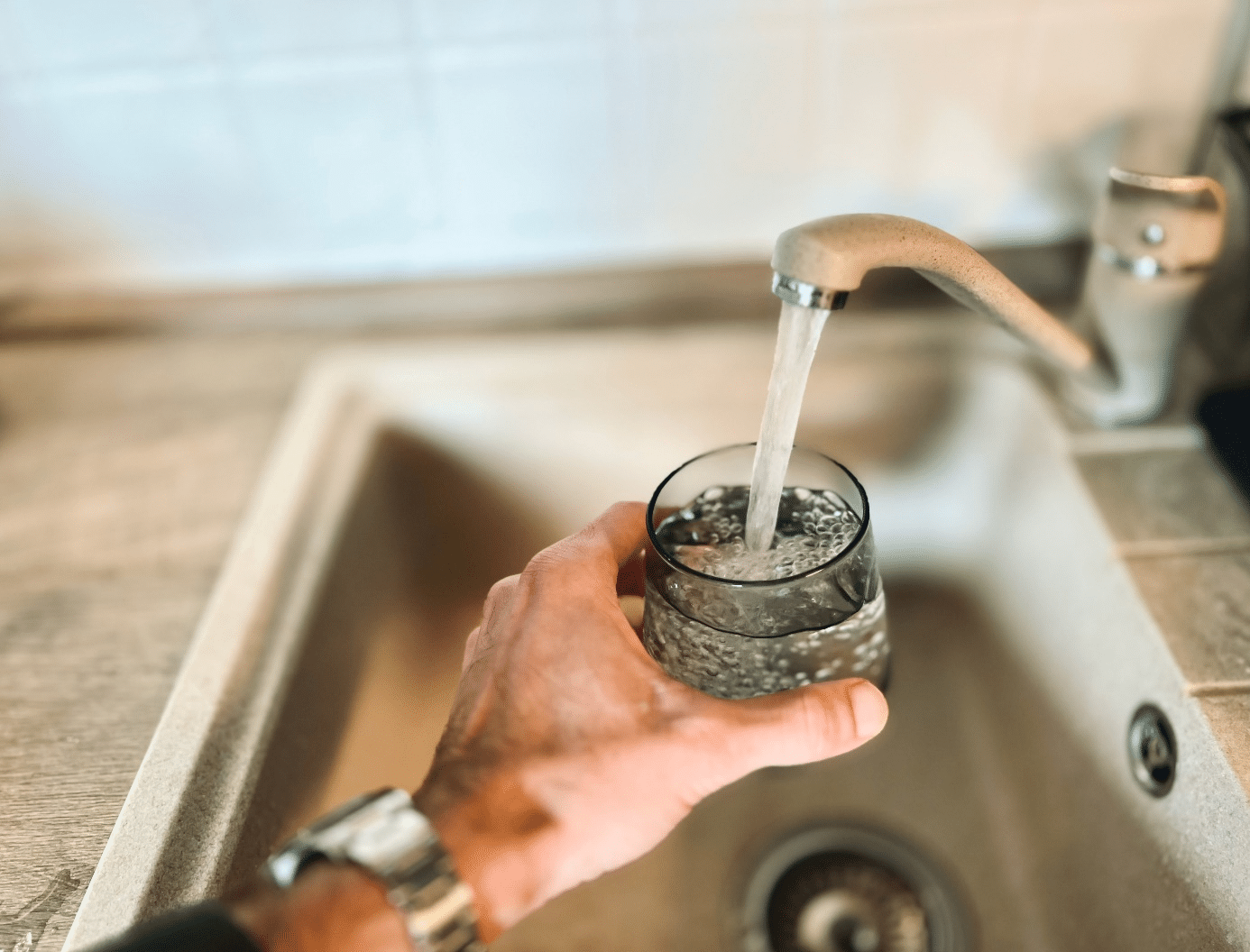
Water is life. We all know the saying. In the United Kingdom, tap water is generally safe and treated to some of the strictest standards in the world — but that doesn’t mean everyone trusts it completely. While many people enjoy the convenience and cost-effectiveness of drinking straight from the tap, others remain hesitant. Between occasional boil notices and debates about contaminants at trace levels, some households look for alternative solutions to meet their drinking water preferences.
In this article, we explore the real story behind the water that flows from your UK tap. Is it safe to drink? Is it wise to use it for cooking? Should you be considering alternatives? Here are some grounded answers.
How Is Tap Water Treated in the UK?
Modern public water systems in the UK are designed to provide safe drinking water to virtually every household. Water companies source water from rivers, reservoirs and underground aquifers, then treat it before distribution. Treatment typically includes several stages of purification — such as sediment removal, filtration and disinfection — followed by storage and delivery through an extensive network of pipes.
The result is a supply that meets very high standards. Public water systems consistently achieve extremely high compliance with UK drinking water regulations, supported by millions of water quality tests carried out every year.
How Is Tap Water Regulated and Monitored?
Tap water in the UK is regulated under strict legal frameworks and overseen by independent bodies. Water companies must continuously monitor supplies from the source through to the consumer’s tap. If results fall outside permitted limits, corrective action must be taken and, where necessary, the public is informed.
Compliance levels remain exceptionally high. However, the system acknowledges that no infrastructure is perfect. From time to time, minor breaches are identified and investigated. These incidents are typically resolved quickly, but they contribute to wider discussions about ageing infrastructure and long-term investment.
Private water supplies — such as those serving rural properties not connected to the mains — are regulated separately by local authorities. These supplies are statistically more likely to fail quality tests than public mains water and require closer individual oversight.
Public Confidence and Consumption Trends
A large majority of people in the UK drink tap water at home, appreciating its accessibility and lower environmental impact compared with bottled water. At the same time, some households choose bottled water or filtration systems.
In many areas, particularly those with hard water, taste is a common concern. Hard water contains higher levels of natural minerals, which are not harmful but can affect flavour and cause limescale. For some consumers, perception plays as significant a role as measured quality in shaping their habits.
Occasional Issues and Real-World Alerts
Although uncommon, water quality incidents do occur. In certain circumstances, water companies issue “boil water” notices when there is a potential risk of contamination. These alerts are precautionary and designed to protect public health while investigations or repairs take place.
Recent years have also seen public debate around emerging contaminants, such as microplastics or ultra-trace chemicals. While these are typically detected at very low levels and remain within regulatory limits, their presence has prompted ongoing scientific research and discussion.
Is UK Tap Water Safe?
For the vast majority of households connected to the public mains, UK tap water is safe to drink and subject to rigorous legal standards. The monitoring system is robust, transparent and continuously reviewed.
However, awareness is not the same as alarm. Occasional incidents, infrastructure pressures and evolving scientific understanding mean that informed consumers may still ask questions. Staying aware of local advisories and understanding your water supply — particularly if you rely on a private source — is sensible.
Ultimately, the UK water system performs to a very high standard. At the same time, thoughtful attention to quality, infrastructure and future sustainability helps ensure that confidence remains well-placed.
“Blue baby syndrome” is one of the key reasons nitrate levels in drinking water are regulated. Here’s how it works—and why it still matters today.
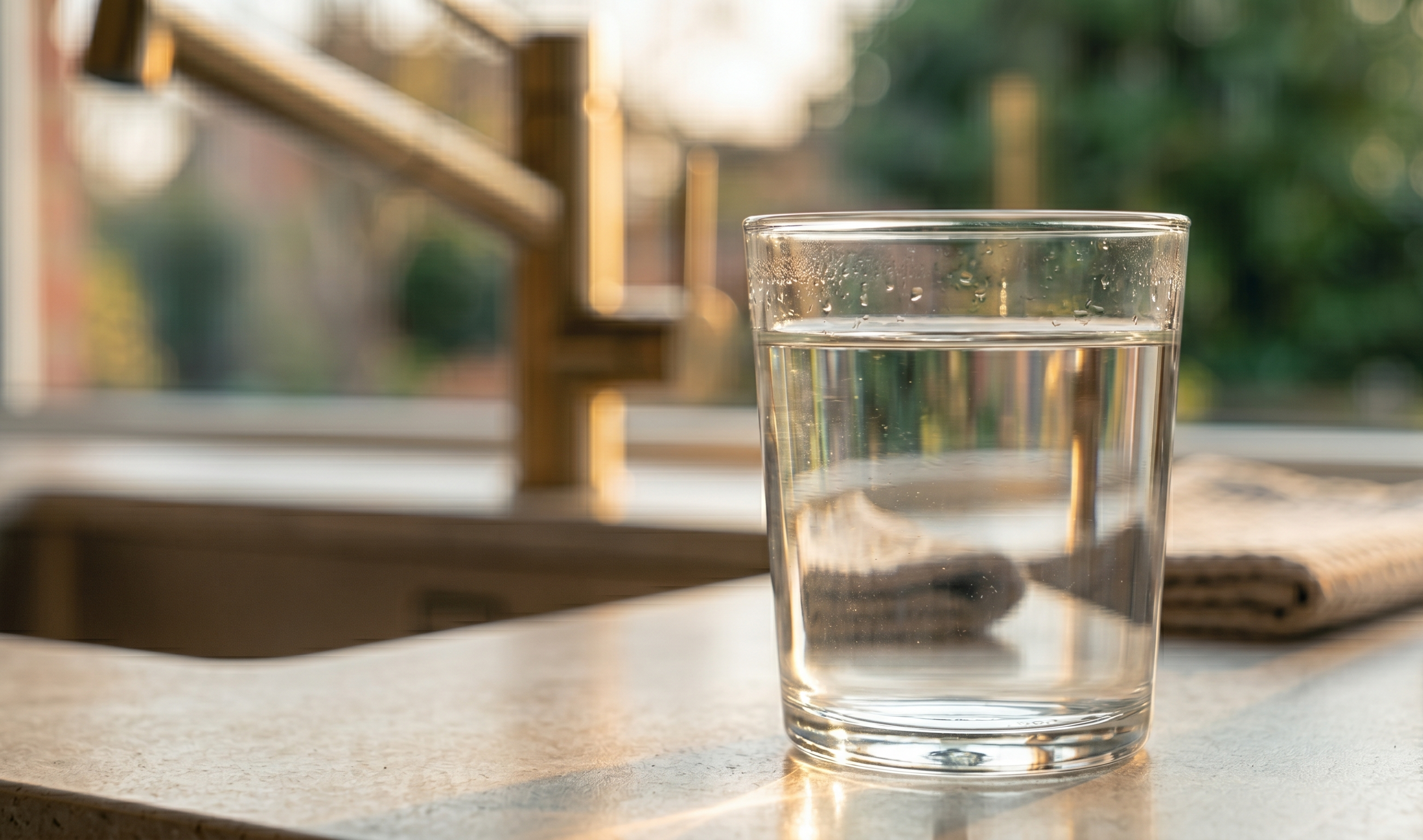
Research into nitrates and cancer is still evolving, but scientists are paying closer attention to what long-term exposure in drinking water could mean for health over time. Here’s what current res...
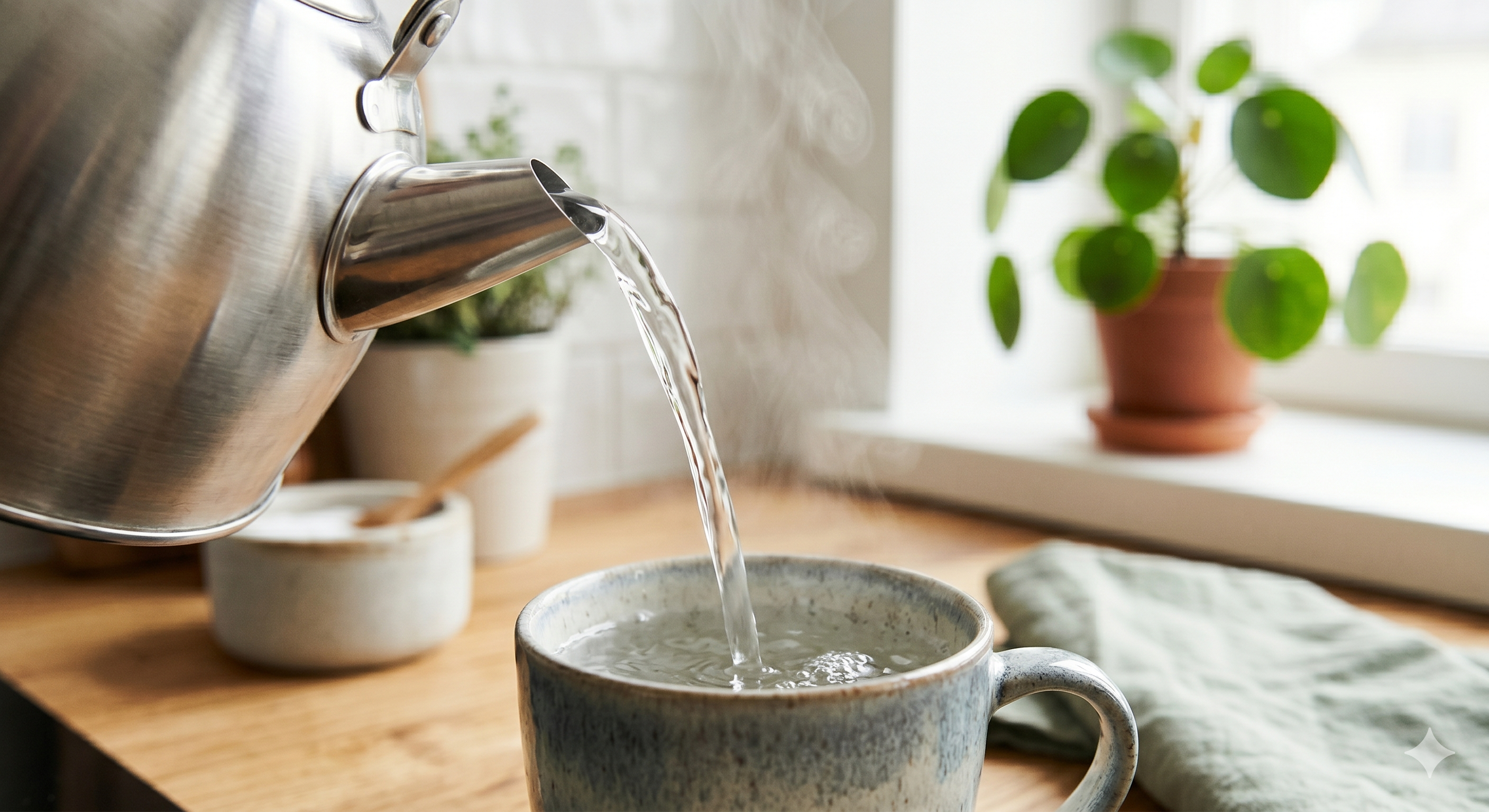
Boil water notices can feel unexpected, but they’re a normal part of how water quality is managed. This guide explains what they mean, why they happen, and exactly what to do at home—so you can han...
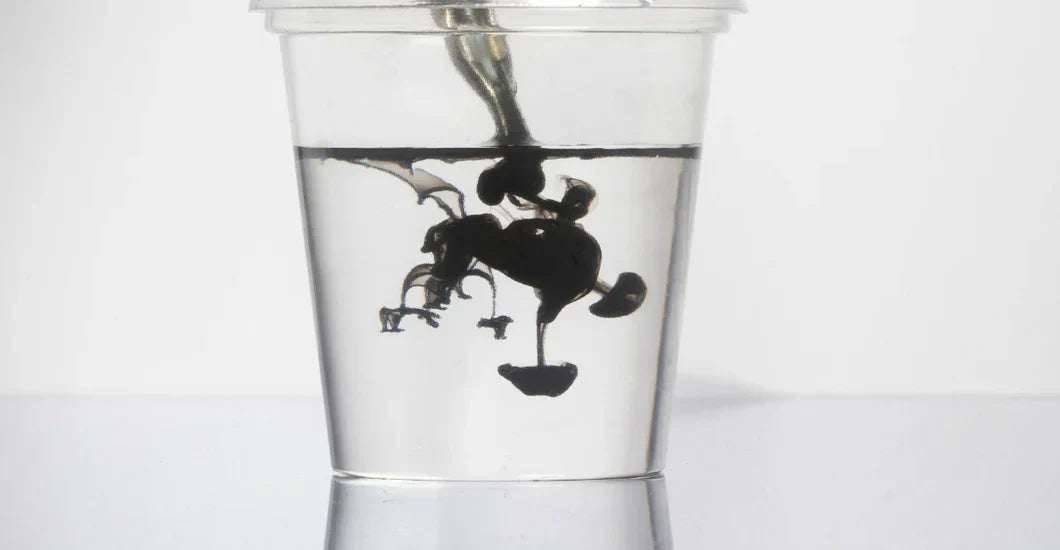
A viral video shared on X (formerly Twitter) has attracted millions of views. In the clip, a man attempts to prove that bottled mineral water is heavily contaminated by using an electrolysis device...
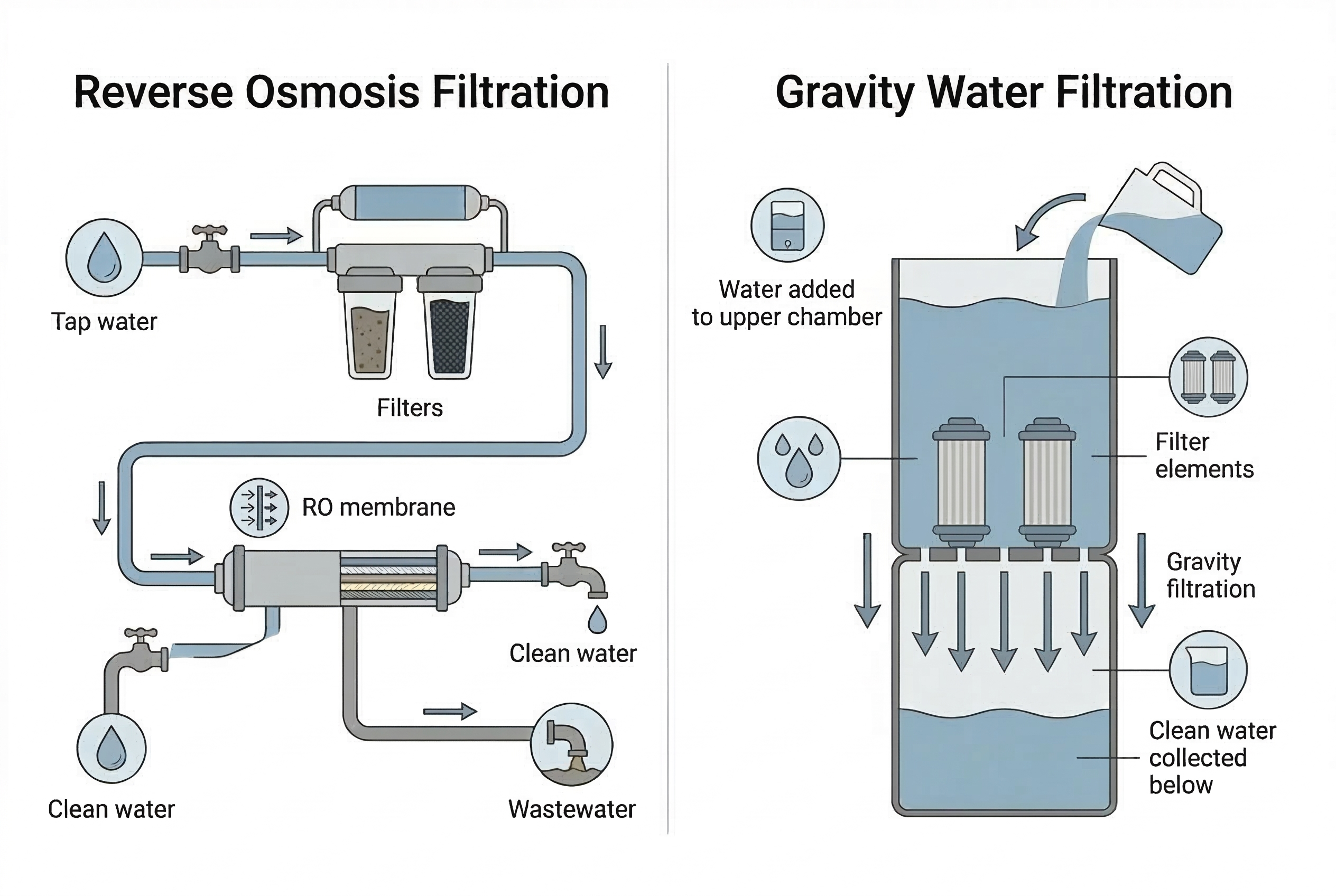
Reverse osmosis and gravity water filters both improve drinking water quality, but they work in very different ways. Learn how each system works, what contaminants they remove, and which option may...