



“Blue baby syndrome” is one of the key reasons nitrate levels in drinking water are regulated. Here’s how it works—and why it still matters today.
Panier
(0 article)
Votre panier est vide
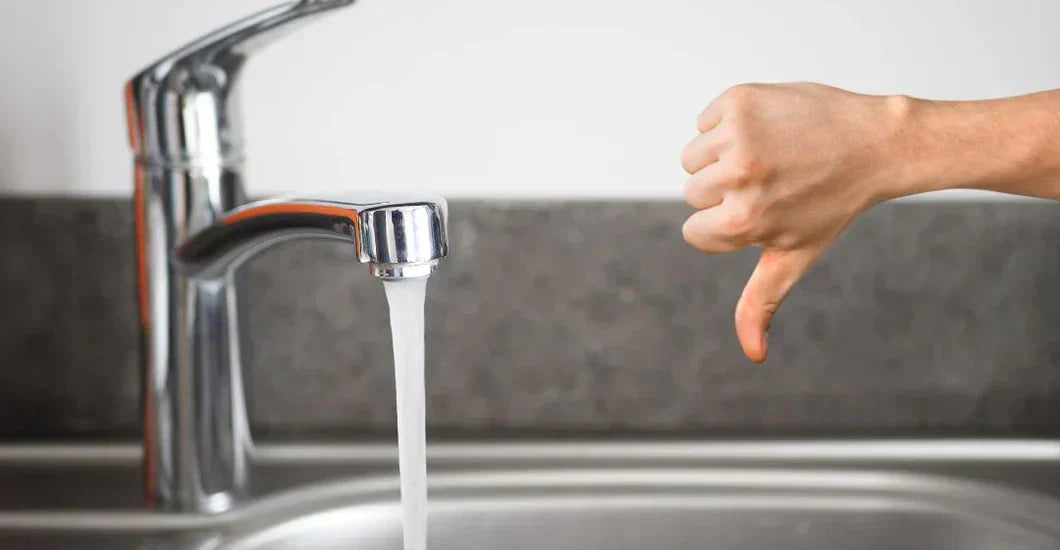
Drinking water is essential for human life and sustainable development. It is vital for health, hygiene, industry, and more. Yet, access to safe and clean drinking water remains a challenge, even in developed countries like the UK.
Tap water quality can be affected by various factors, including microbiological or chemical contamination, or heavy metals. Ageing infrastructure is also a concern. In this article, we explain why drinking tap water may sometimes be inadvisable and explore alternatives to ensure safe drinking water at home.
Although tap water flows freely in households, its quality can occasionally be compromised, exposing consumers to health risks. The main types of contaminants are:
The UK Health Security Agency (UKHSA) and other bodies have investigated chemical contaminants in mains water. A study originally in France showed concerning findings, and similar contaminants can appear in UK water depending on local conditions.
The results of chemical contamination include:
Long-term exposure to such contaminants may have harmful effects on residents' health.
Pesticides can enter drinking water from agricultural runoff. They may affect the nervous system, impair cognitive functions, and increase the risk of neurological disorders. Hormonal disruptions, early puberty, and reproductive issues are also concerns.
There is also evidence of increased risk for certain cancers, particularly lymphoma and prostate cancer.
Groundwater contamination from residues of explosives, though rare in the UK, can pose risks to the nervous and reproductive systems. Potential effects include:
There is also an elevated risk of liver and bladder cancers.
1,4-Dioxane is an industrial solvent used in products including cosmetics, detergents, and pesticides. Exposure, even at low levels, can be harmful, causing:
Generally, UK tap water quality is high, but it is not always free from harmful microorganisms. Biofilms—colonies of microorganisms that accumulate on pipe walls—can encourage bacterial growth.
Two categories of germs are present in drinking water: those that thrive in water and those that survive in it.
Examples include:
Bacteria and viruses that can survive temporarily in tap water include:
Heavy metals such as lead, cadmium, arsenic, and mercury can enter UK drinking water through industrial activity, plumbing, and environmental contamination.
Health risks include:
Children and the elderly are particularly vulnerable to heavy metals.
Although UK tap water is strictly monitored and meets drinking standards, water quality can be affected during transport and storage in pipes.
Limitations include:
UK regulations ensure safety from source to tap. Water companies and the Drinking Water Inspectorate conduct rigorous sampling and testing, but pollution, ageing infrastructure, and evolving treatments may expose limitations, with some by-products’ long-term effects not fully known.
While most UK residents drink tap water, consumption habits are influenced by taste, colour, and odour issues, often linked to local water sources or old pipes.
Some non-drinkers worry about water quality and transparency, citing past incidents where water contamination occurred or was reported. Regional water quality can vary, so local advisories are important.
For concerns, contact your local water company or UKHSA. Water quality may vary by region or even neighbourhood.
Options to address tap water quality limits include bottled water and home filtration systems.
Bottled water may be needed if local tap water is unsafe. While safe in most UK regions, some rural areas with agricultural runoff can face temporary contamination.
For everyday use, tap water is generally preferable. Bottled water may contain microplastics, occasionally fail quality standards, and has environmental and cost impacts.
Home filters remove impurities, including:
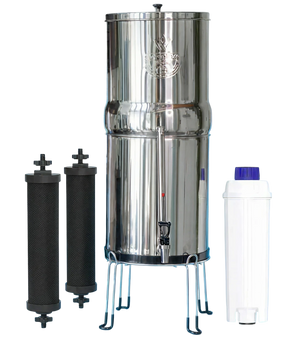
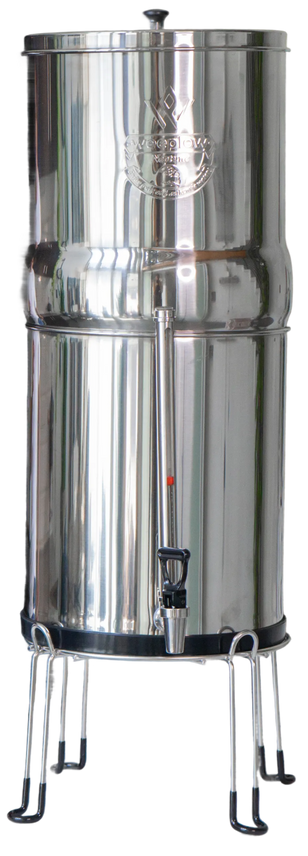
Activated carbon filters are common, absorbing chlorine, pesticides, and chemicals. Weeplow filtration systems come in various sizes for daily water needs.
UK tap water is strictly monitored and meets high standards. Consumers should remain vigilant and maintain taps and pipes to prevent contamination.
Filtered tap water is preferable to bottled water for environmental and cost reasons.
Explore our range of gravity filtration systems to drink tap water with confidence.
“Blue baby syndrome” is one of the key reasons nitrate levels in drinking water are regulated. Here’s how it works—and why it still matters today.
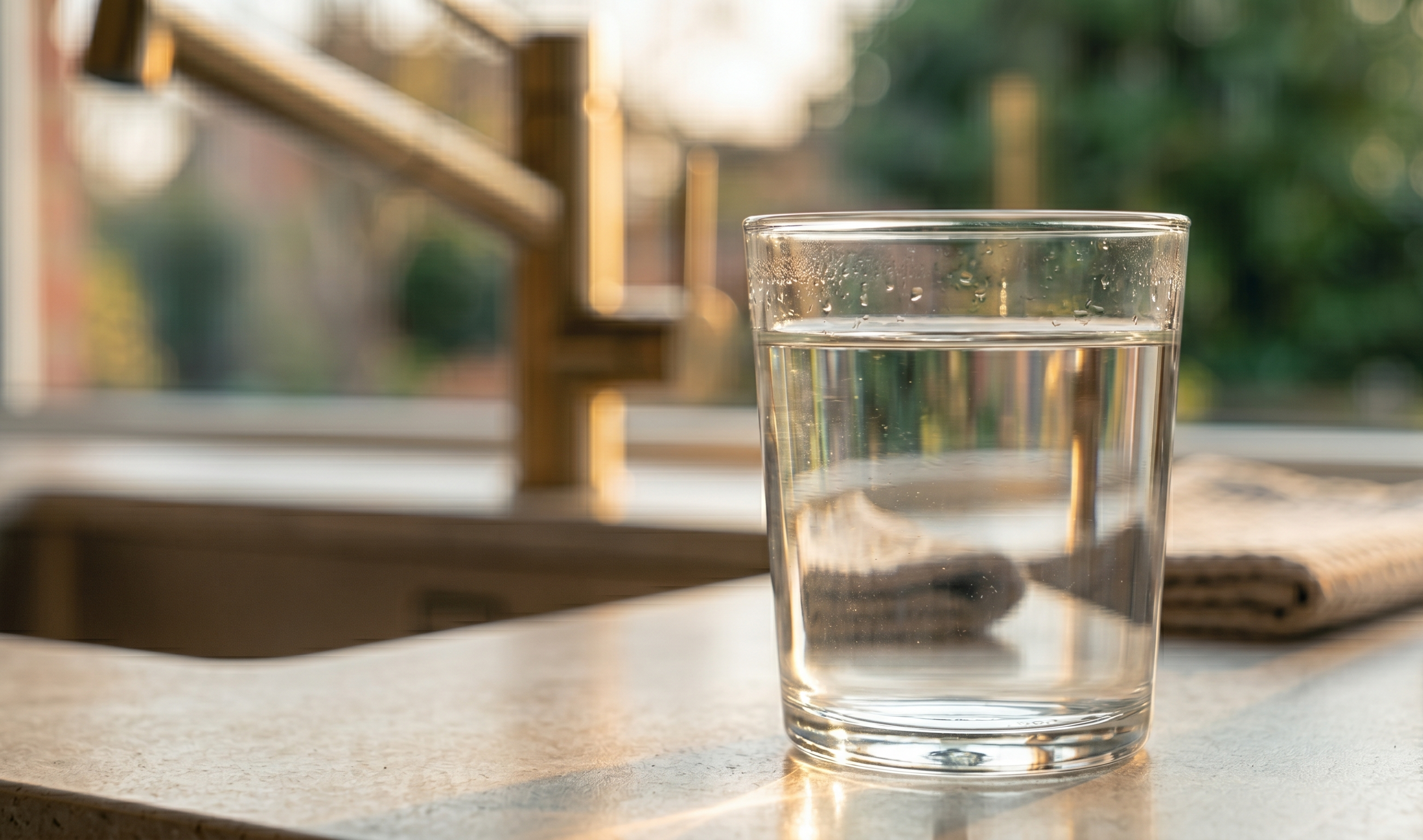
Research into nitrates and cancer is still evolving, but scientists are paying closer attention to what long-term exposure in drinking water could mean for health over time. Here’s what current res...
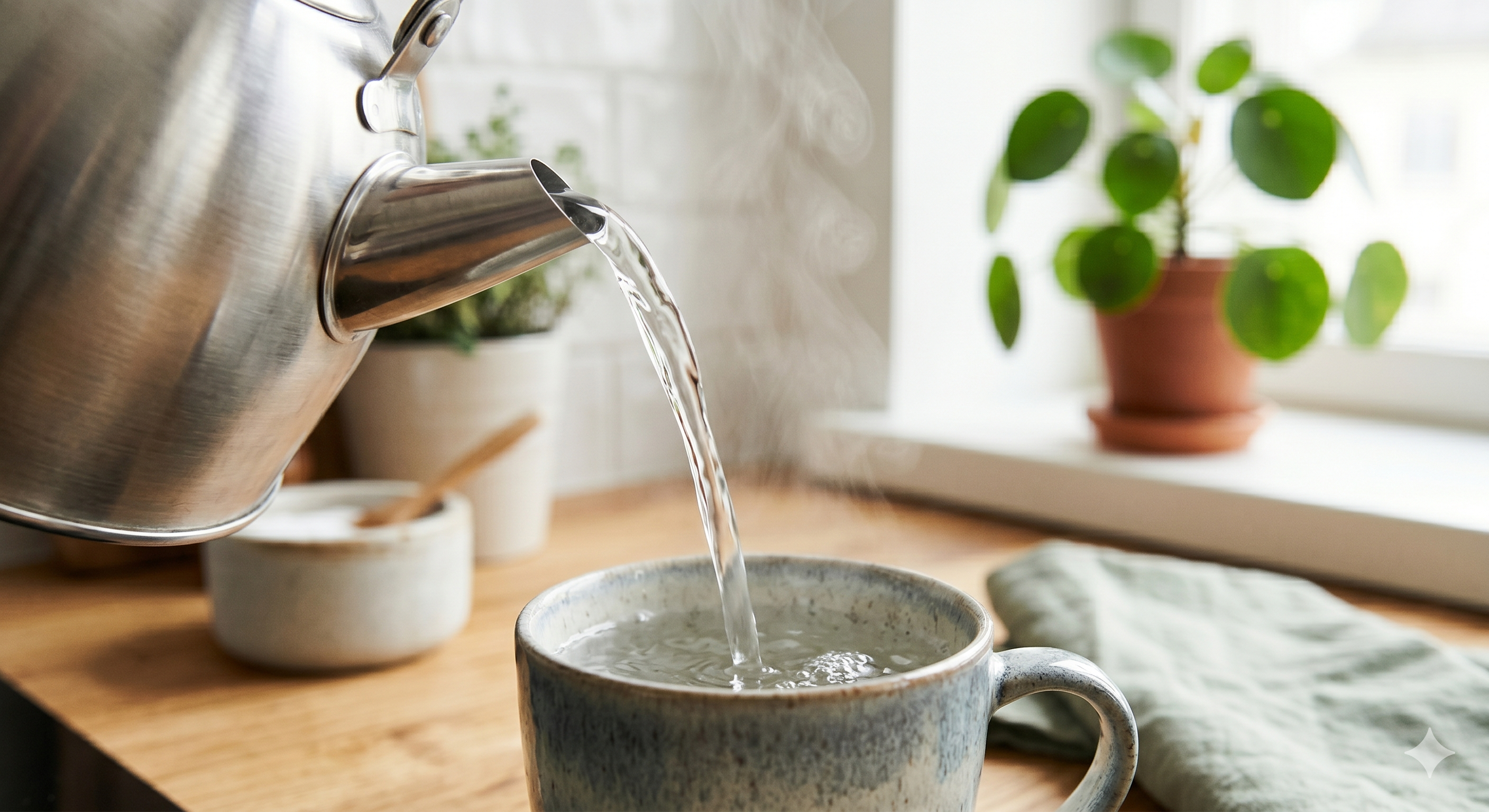
Boil water notices can feel unexpected, but they’re a normal part of how water quality is managed. This guide explains what they mean, why they happen, and exactly what to do at home—so you can han...
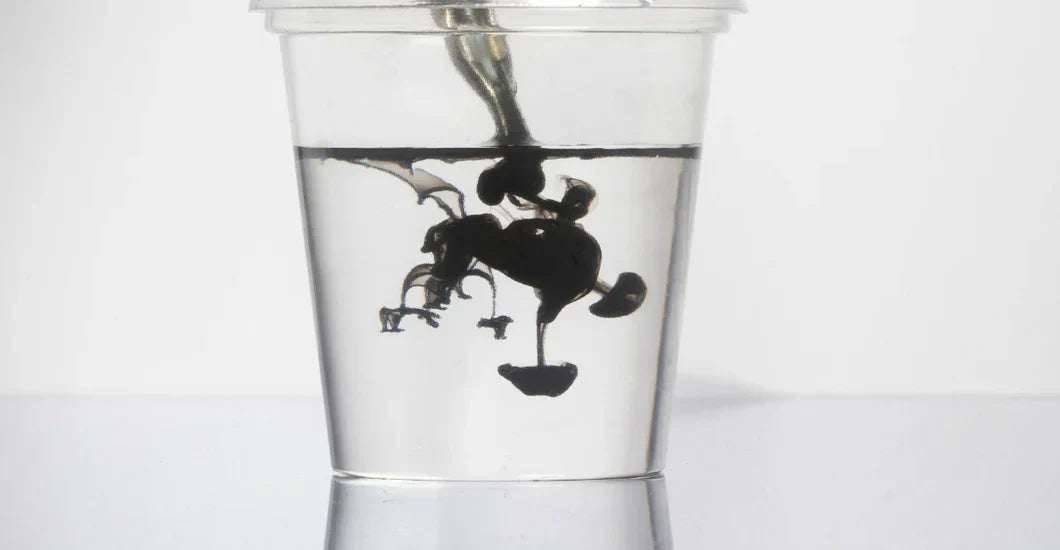
A viral video shared on X (formerly Twitter) has attracted millions of views. In the clip, a man attempts to prove that bottled mineral water is heavily contaminated by using an electrolysis device...
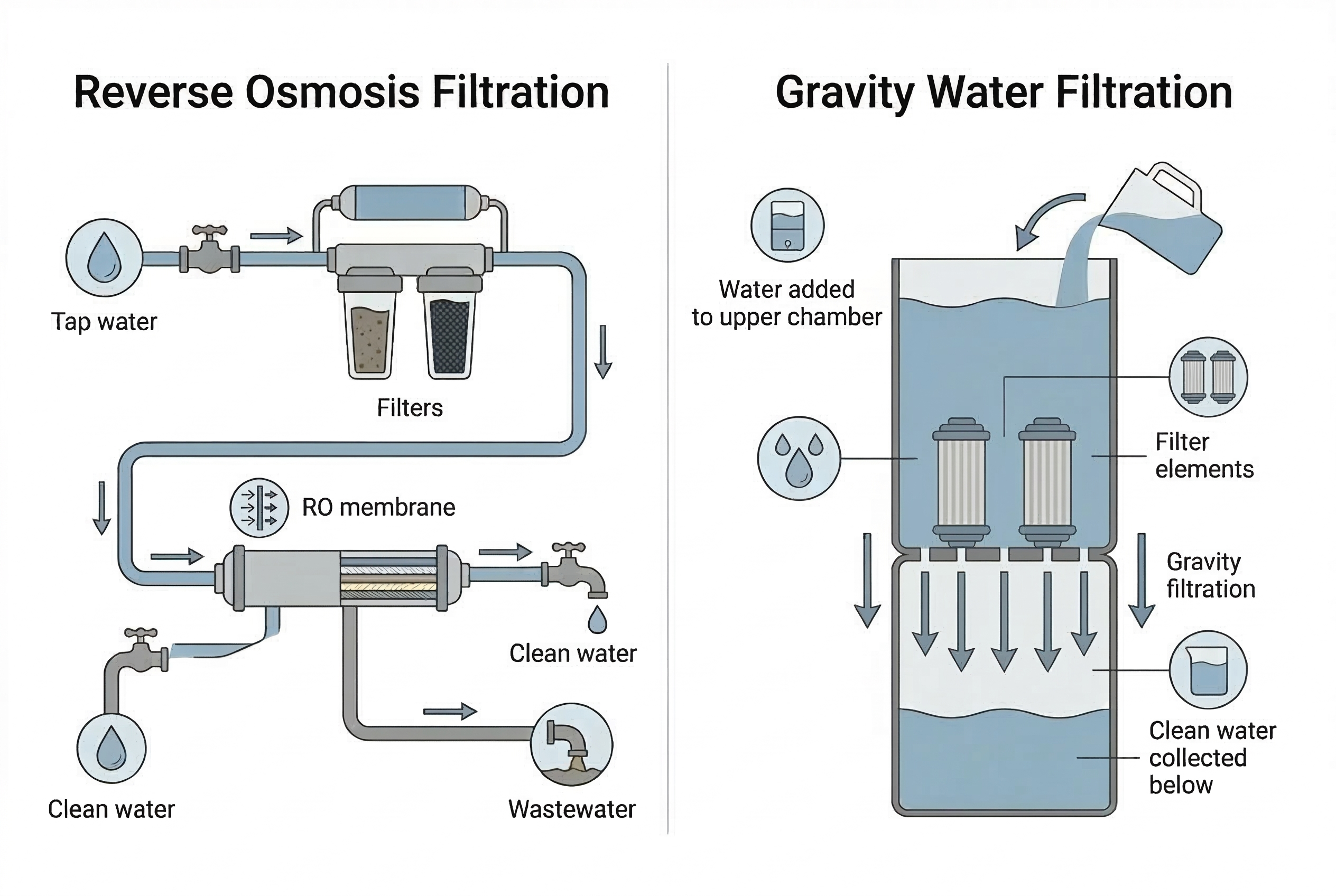
Reverse osmosis and gravity water filters both improve drinking water quality, but they work in very different ways. Learn how each system works, what contaminants they remove, and which option may...