


Die Forschung zu Nitraten und Krebs entwickelt sich noch, aber Wissenschaftler richten ihre Aufmerksamkeit zunehmend darauf, was eine langfristige Exposition durch Trinkwasser für die Gesundheit im...
Warenkorb
(0 Artikel)
Dein Warenkorb ist leer
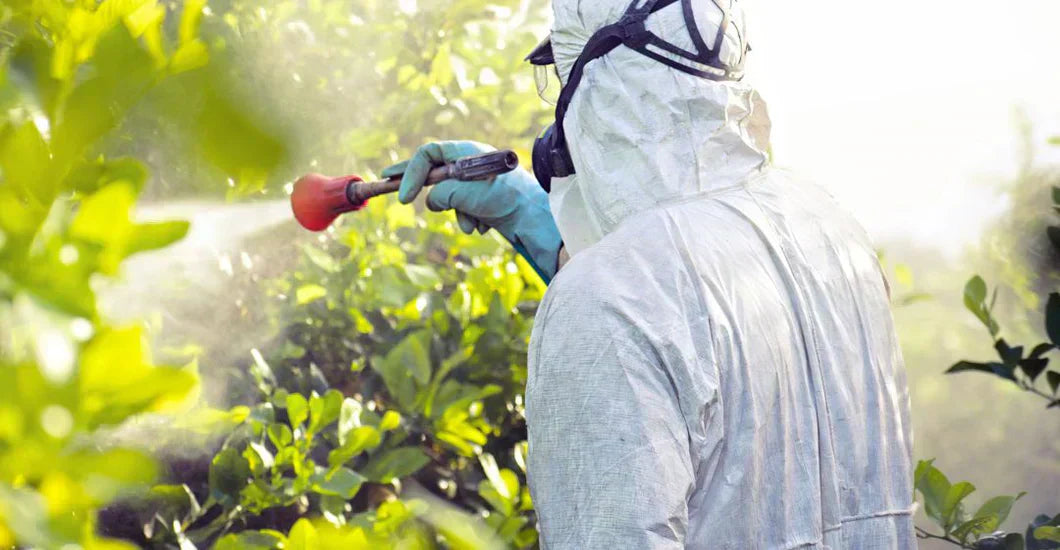
Pestizide sind Chemikalien, die zur Bekämpfung von Insekten, Unkraut, Pilzen, Bakterien und anderen Schädlingen eingesetzt werden. Sie sind in Landwirtschaft, Forstwirtschaft und Gartenbau weit verbreitet. Im Laufe der Zeit können einige dieser Chemikalien ins Leitungswasser gelangen, das wir täglich trinken.
Wie gelangen Pestizide in unser Trinkwasser? Welche Behandlungsprozesse entfernen sie? In diesem Artikel gehen wir diesen Fragen nach und zeigen, wie Sie sicherstellen können, dass Ihr Haushaltswasser sauber und sicher bleibt.
Die Landwirtschaft ist eine Hauptquelle für Pestizidbelastung. Aber auch städtische und vorstädtische Gebiete können unsichtbare Verschmutzung verursachen.
In Großbritannien und darüber hinaus ist intensive Landwirtschaft weit verbreitet. Diese Praxis kann Böden belasten und lokale Ökosysteme stören.
Um ihre Ernten vor Schädlingen zu schützen, die durch diese Veränderungen auftreten, verwenden Landwirte oft Pestizide, manchmal auch vorbeugend. Dadurch ist die Landwirtschaft eine der Hauptquellen für Pestizidrückstände im Leitungswasser.
Städte und Vororte sind nicht ausgenommen. Während Herbizide wie Glyphosat für Hobbygärtner inzwischen verboten sind, werden sie weiterhin online verkauft und können ohne Kontrolle verwendet werden.
Auch lokale Behörden setzen Insektizide ein, um stehendes Wasser und Mücken zu bekämpfen. Diese Chemikalien können ins Abwasser gelangen und zur Gesamtbelastung beitragen.
Pestizide können auf verschiedene Weise ins Wasser gelangen:
Wasser aus Flüssen, Seen oder unterirdischen Quellen ist nicht sofort trinkfertig. Wasserwerke arbeiten intensiv daran, Verunreinigungen zu entfernen und strenge Wasserqualitätsstandards einzuhalten.
Die Behandlung wird an die Wasserquelle angepasst und folgt den britischen Vorschriften. Wichtige Schritte sind:
Stark belastetes Wasser durchläuft eine Vorabscheidung, um grobe Partikel wie Ton und Schluff zu entfernen. Eine Voroxidation mit Ozon hilft ebenfalls, Eisen, Mangan und bestimmte Stickstoffverbindungen zu entfernen. Dies verbessert Geschmack, Farbe und Geruch und bereitet das Wasser auf die nächsten Behandlungsstufen vor.
Diese Stufe klärt das Wasser durch Entfernung von:
Techniken umfassen:
Zusätzliche Behandlungen verbessern Geschmack, Geruch und Klarheit. Dazu gehören:
Dieser fortschrittliche Schritt entfernt extrem feine Partikel und Verunreinigungen:
Zum Schutz der Gesundheit wird das Wasser desinfiziert, um Viren und schädliche Bakterien zu neutralisieren. Methoden umfassen:
Selbst nach der Behandlung kann eine geringe Menge Chlor verbleiben, um das Wachstum von Mikroorganismen in den Leitungen zu verhindern.
Der pH-Wert des Wassers wird angepasst, um Korrosion oder Kalkablagerungen zu verhindern, und es kann bei Bedarf remineralisiert werden. So wird sichergestellt, dass das Wasser in einwandfreiem Zustand an Ihrem Wasserhahn ankommt.
Das Trinkwasser im Vereinigten Königreich wird streng überwacht. Lieferanten und Aufsichtsbehörden stellen sicher, dass das Wasser strenge Standards erfüllt.
Zwei Hauptakteure sind beteiligt:
Für Pestizide liegt der Richtwert bei 0,1 Mikrogramm pro Liter (µg/L). Toxischere Stoffe, die inzwischen verboten sind, haben einen noch niedrigeren Grenzwert von 0,03 µg/L.
Wenn Tests Werte über den sicheren Grenzwerten zeigen, müssen Wasserversorger sofort handeln. Sie informieren die örtlichen Behörden, untersuchen die Quelle und setzen Maßnahmen um, wie das Mischen von Wasserquellen oder die Einschränkung der Nutzung für gefährdete Gruppen. In dringenden Fällen kann die Verteilung vorübergehend eingestellt werden.
Es gibt mehrere Möglichkeiten, die Pestizidbelastung zu reduzieren:
Auch behandeltes Leitungswasser kann Spuren von Verunreinigungen enthalten, besonders in älteren Rohrleitungen. Die häusliche Filtration kann Pestizide und andere Schadstoffe entfernen, einschließlich PFAS, die sogenannten „Forever Chemicals“.
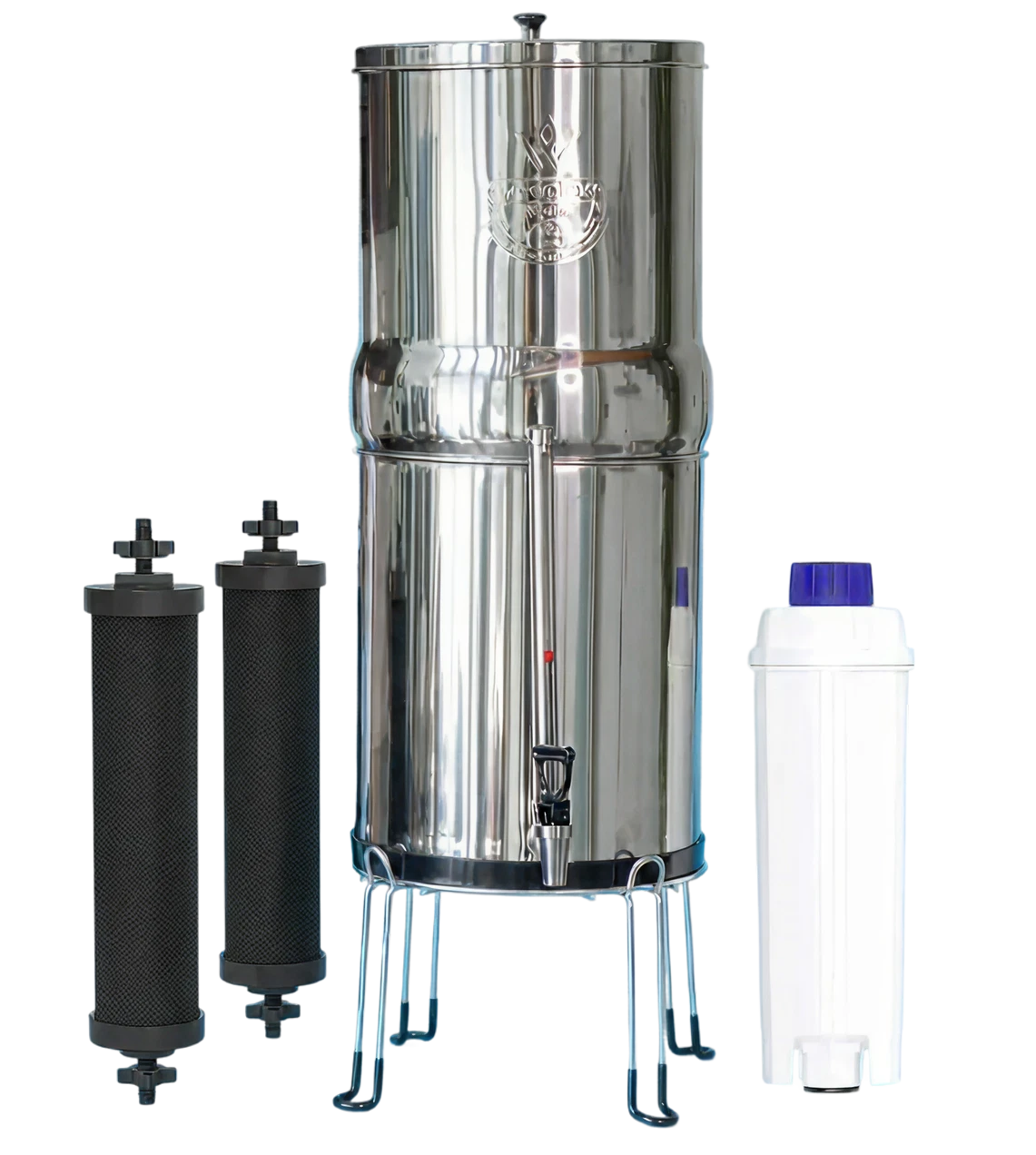
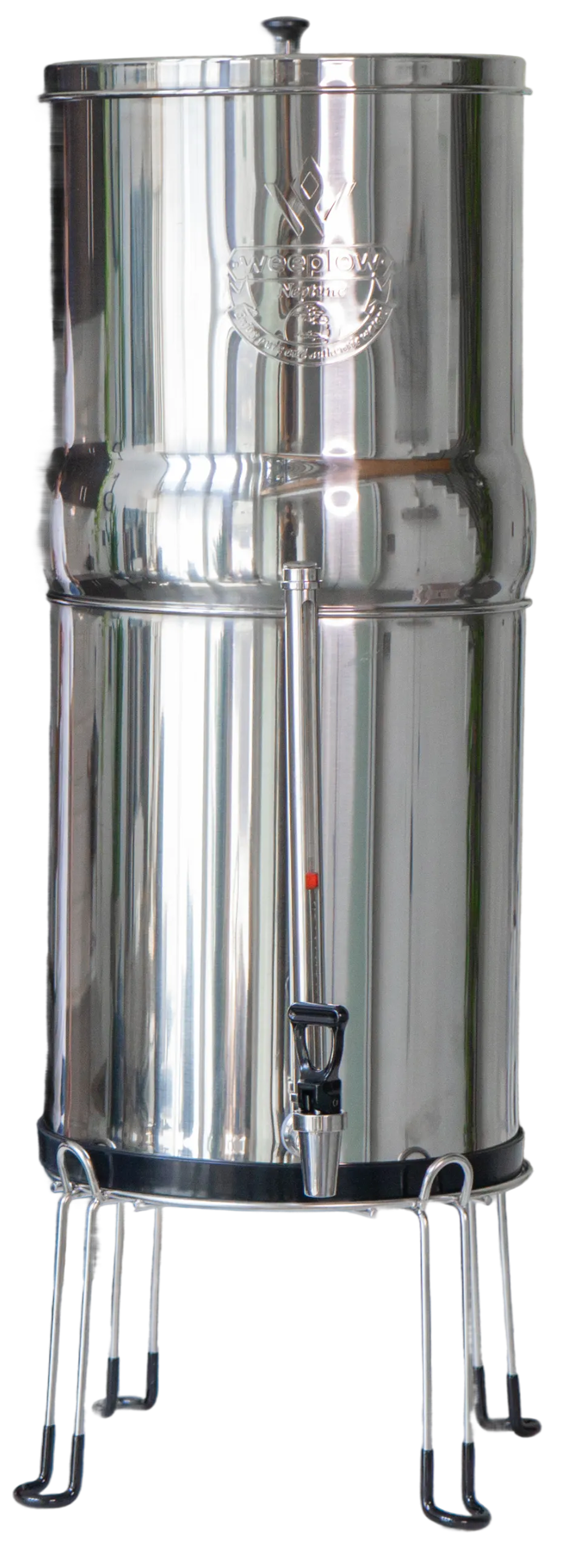
Diese einfachen, effektiven Filter nutzen die Schwerkraft, um Wasser auf natürliche Weise zu reinigen. Sie gießen Wasser in die obere Kammer, und es passiert Filterkartuschen, die Verunreinigungen entfernen. Ideal für Haushalte jeder Größe.
Diese entfernen Pestizide, Herbizide und viele andere schädliche Verunreinigungen, einschließlich THMs und flüchtiger organischer Verbindungen. Sie erfordern eine professionelle Installation und eine größere Anfangsinvestition, bieten jedoch umfassenden Schutz.
Dieser Leitfaden vergleicht Umkehrosmose- und Schwerkraft-Wasserfilter und erklärt, wie jedes System funktioniert.
Pestizide können in Boden und Grundwasser eindringen und die Gesundheit beeinträchtigen. Die Verwendung hochwertiger Filter, wie Aktivkohle-Systeme, hilft dabei, diese Schadstoffe zu Hause zu entfernen. Die Weeplow-Systeme sind darauf ausgelegt, bis zu 99,999 % der schädlichen Substanzen zu entfernen. Entdecken Sie unseren Onlineshop, um das passende System für Ihre Bedürfnisse zu finden.
Die Forschung zu Nitraten und Krebs entwickelt sich noch, aber Wissenschaftler richten ihre Aufmerksamkeit zunehmend darauf, was eine langfristige Exposition durch Trinkwasser für die Gesundheit im...
Hinweise zum Abkochen von Wasser können unerwartet erscheinen, sind aber ein normaler Bestandteil der Wasserqualitätskontrolle. Dieser Leitfaden erklärt, was sie bedeuten, warum sie auftreten und g...
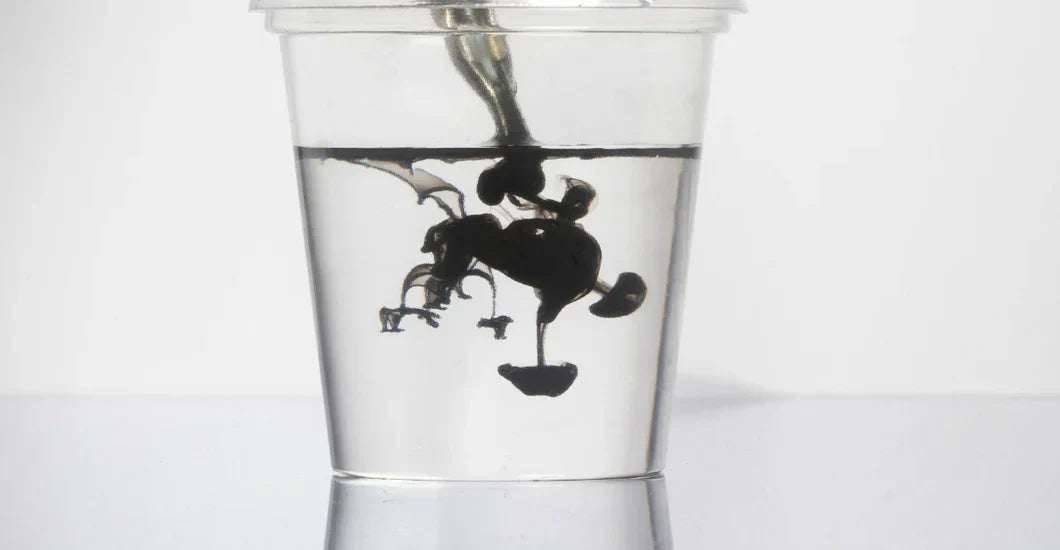
Ein virales Video, das auf X (ehemals Twitter) geteilt wurde, hat Millionen von Aufrufen erzielt. In dem Clip versucht ein Mann zu beweisen, dass Flaschenmineralwasser stark verunreinigt ist, indem...
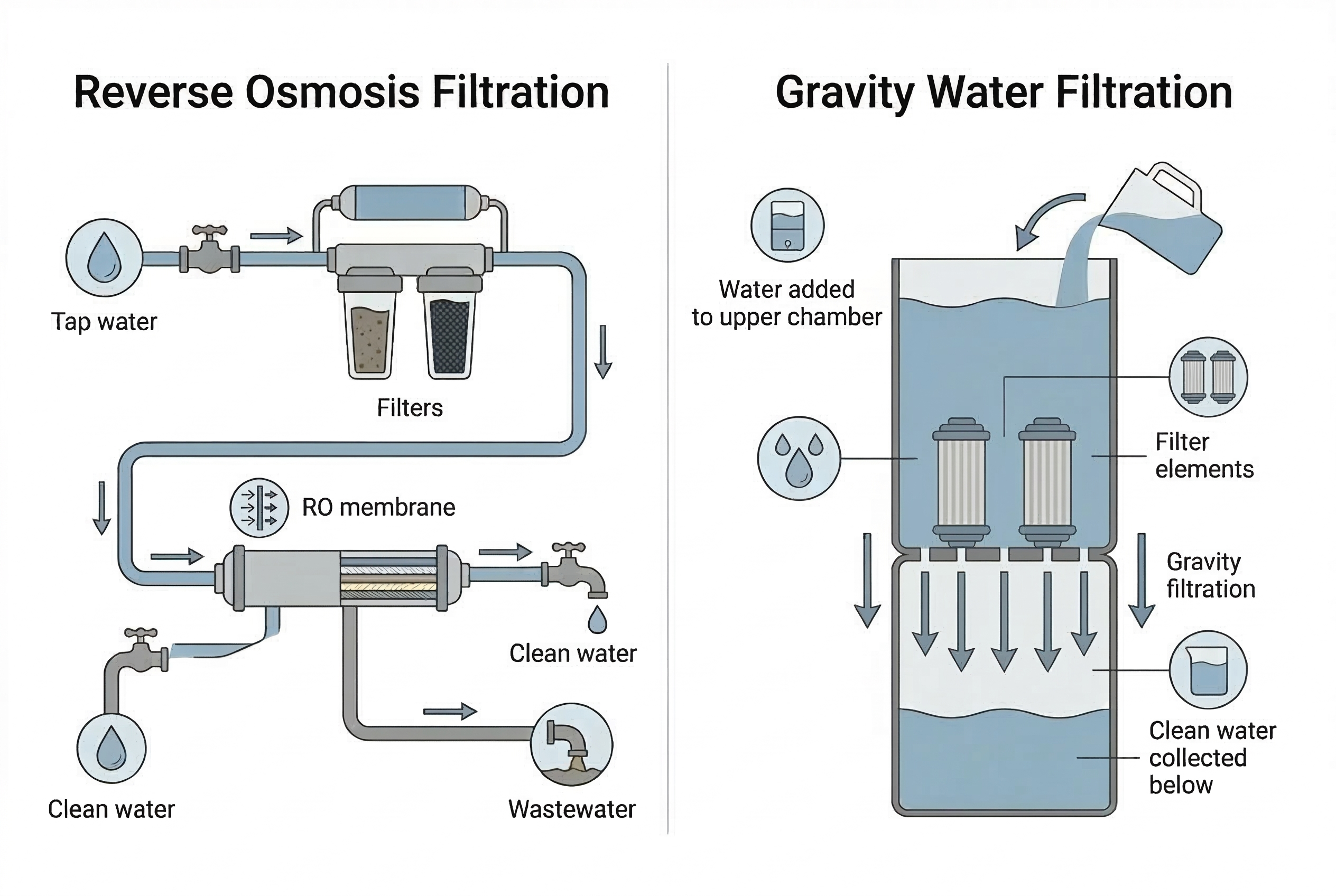
Umkehrosmose- und Schwerkraft-Wasserfilter verbessern beide die Trinkwasserqualität, funktionieren jedoch auf sehr unterschiedliche Weise. Erfahren Sie, wie jedes System arbeitet, welche Verunreini...
Nestlé Waters wegen Mineralwasserbehandlungspraktiken mit Geldstrafe belegt Nestlé Waters, die Mineralwassersparte des Schweizer Konzerns Nestlé, hat sich nach Untersuchungen seiner Mineralwassera...