



„Blausäugigkeit“ ist einer der Hauptgründe, warum Nitratwerte im Trinkwasser reguliert werden. So funktioniert es – und warum es auch heute noch wichtig ist.
Your Cart
(0 products)
Your cart is empty

Ein schwerkraftbetriebener Wasserfilter ist ein einfaches, eigenständiges Wasserreinigungssystem, das die Schwerkraft nutzt, um Wasser durch eine oder mehrere Filterkartuschen zu leiten. Während das Wasser langsam durch die Filter fließt, werden gesundheitsschädliche Verunreinigungen reduziert oder entfernt.
Im Gegensatz zu herkömmlichen Wasserfiltern, die Pumpen oder Leitungswasserdruck verwenden, funktionieren Schwerkraftfilter ohne Strom oder Sanitäranschluss. Sie können auch eine breite Palette von Verunreinigungen beseitigen. Dieser Artikel erklärt alles, was Sie über schwerkraftbetriebene Wasserfilter wissen müssen, einschließlich wann man sie verwendet, wie sie funktionieren und wie man das richtige Modell auswählt.
Schwerkraftbetriebene Filter werden häufig zur Behandlung von Regenwasser, Quellwasser oder Leitungswasser verwendet, wenn die Wasserqualität unsicher ist. Sie sind sowohl zu Hause als auch in entlegeneren Gebieten nützlich, einschließlich bei Outdoor-Aktivitäten und Notfallsituationen.
Schwerkraftbetriebene Filter bieten eine einfache und effektive Möglichkeit, die Trinkwasserqualität zu Hause zu verbessern. Durch ein Schwerkraftsystem gefiltertes Wasser wird oft auf natürliche Weise remineralisiert, was den Geschmack verbessert und es angenehmer macht, Tee, Kaffee und andere heiße Getränke zuzubereiten.
In der Küche ist schwerkraftgefiltertes Wasser:
In vielen abgelegenen Regionen der Welt bleibt der Zugang zu sicherem und zuverlässigem Trinkwasser eine große Herausforderung. Schwerkraftbetriebene Wasserfilter bieten eine praktische, effektive und erschwingliche Lösung zur Wasserreinigung in diesen Kontexten.
Unbehandelte Wasserquellen können Bakterien, Viren, Parasiten und andere Krankheitserreger enthalten, die zu schweren wasserbedingten Krankheiten wie Durchfall, Cholera oder Typhus führen können.
Durch die Verbesserung des Zugangs zu sicherem Trinkwasser können Schwerkraftfiltersysteme dazu beitragen, die Verbreitung wasserbedingter Krankheiten zu verringern und zu besserer Gesundheit und Wohlbefinden beizutragen.
Bei Naturkatastrophen, Ausfällen der Infrastruktur oder Outdoor-Aktivitäten kann der Zugang zu Trinkwasser schnell kritisch werden. In solchen Situationen sind Schwerkraftfilter wertvolle Werkzeuge, um Wasser trinkbar zu machen.
Viele Modelle von Schwerkraftfiltern sind kompakt und leicht, was sie einfach zu transportieren macht – ideal für Wandern, Camping und Notfallvorsorge.
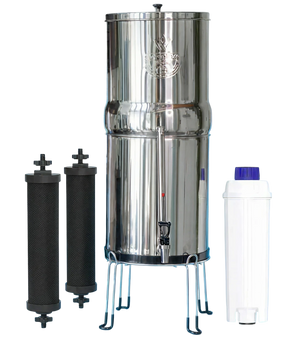
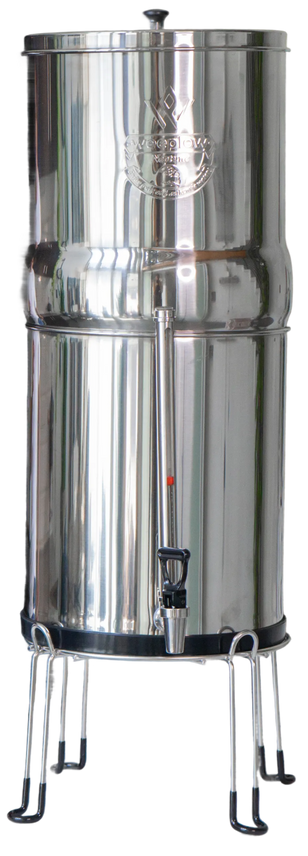
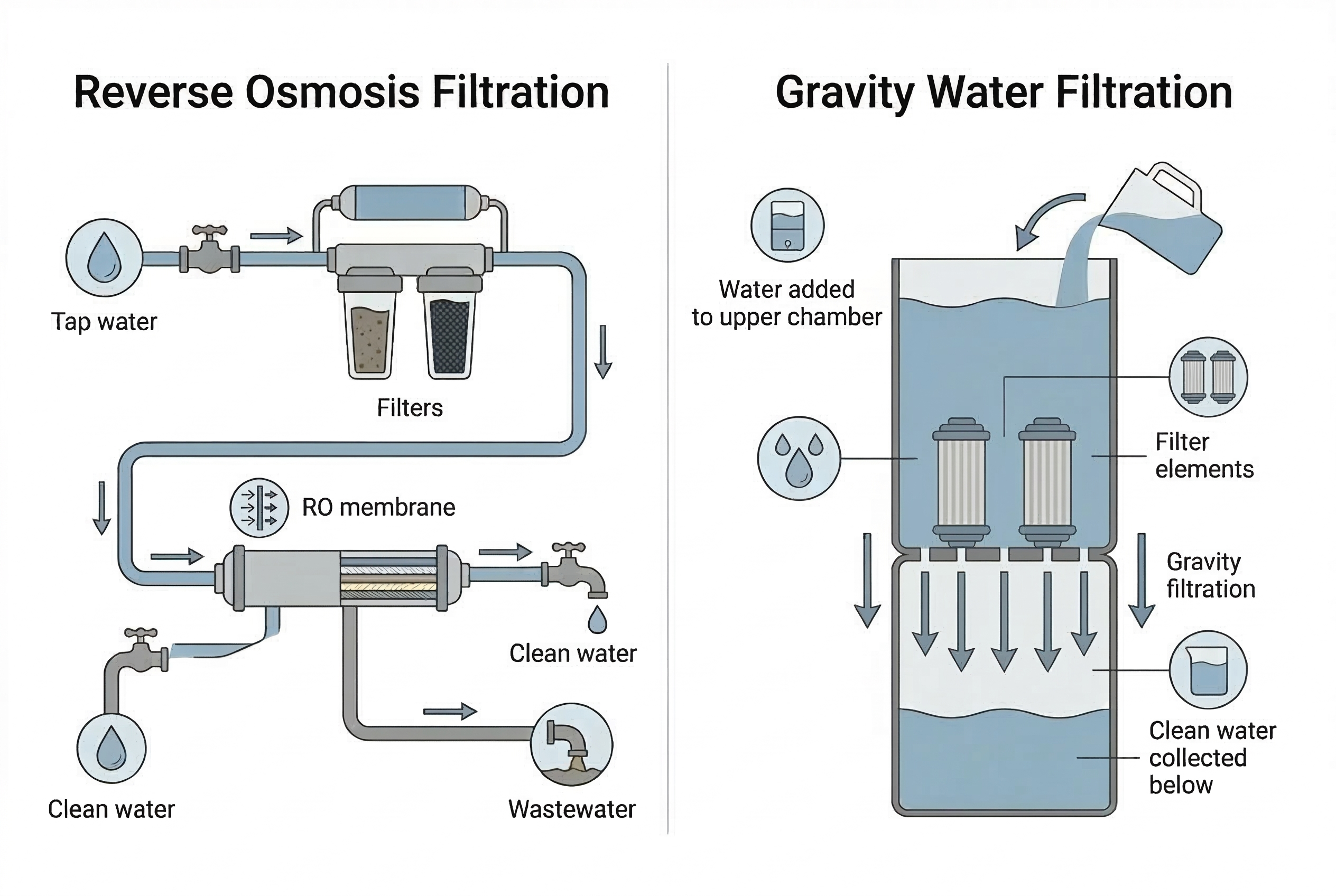
Ein typischer Schwerkraftfilter besteht aus zwei übereinander gestapelten Kammern. Unbehandeltes Wasser wird in die obere Kammer gegossen und fließt dann durch ein oder mehrere Filterelemente, bevor es in der unteren Kammer gesammelt und zum Verzehr bereitgestellt wird.
Schwerkraftfilter verwenden eine Kombination von Filtertechniken, um eine breite Palette von Verunreinigungen zu reduzieren, darunter:
Im Gegensatz zu Hochdrucksystemen ermöglichen Schwerkraftfilter, dass das Wasser länger mit dem Filtermedium in Kontakt bleibt. Dieser langsame, kontrollierte Fluss maximiert die Aufnahme von Verunreinigungen und die Filtereffizienz.
Filtermaterialien können umfassen:
Jedes Material hat spezifische Filtereigenschaften, die es Schwerkraftsystemen ermöglichen, ein breites Spektrum an Verunreinigungen zu erfassen.
Durch die Kombination dieser Filtertechniken können Schwerkraftsysteme helfen, Folgendes zu reduzieren:
Schwerkraftfilter gibt es in verschiedenen Ausführungen, abhängig von der Anzahl der verwendeten Behälter und den eingesetzten Filtertechnologien.
Einige Schwerkraftfilter verwenden einen einzelnen Tank für die Portabilität, während andere zwei gestapelte Tanks zur Optimierung der Filterkapazität nutzen.
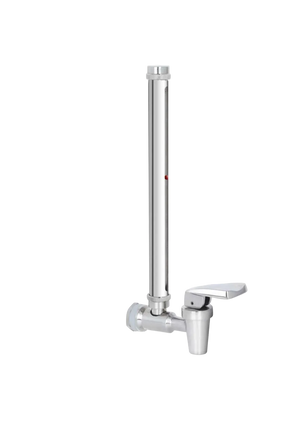
Diese Modelle sind für den Außeneinsatz konzipiert. Der Behälter kann mit einem Riemen aufgehängt werden, sodass Wasser durch den Filter fließt und über einen Hahn oder Schlauch austritt. Der Durchfluss kann meist mit einem Ein-/Aus-Ventil gesteuert werden.
Zweistufige Systeme sind die gebräuchlichsten für den Hausgebrauch. Unbehandeltes Wasser wird in den oberen Tank gegossen, während gefiltertes Wasser im unteren Tank für den einfachen Zugriff gesammelt wird. Je nach Wasserqualität können diese Systeme zwei oder mehr Filterkartuschen verwenden.
Schwerkraftfilter können auch nach den verwendeten Materialien zur Erfassung und Entfernung von Verunreinigungen kategorisiert werden.
Aktivkohle zieht organische Verunreinigungen, Chemikalien, Gerüche und unangenehme Geschmäcker durch Adsorption an und hält sie zurück. Allein ist sie weniger wirksam gegen Bakterien und Viren, weshalb Weeplow sie in Systemen wie dem O’Pure 2 mit zusätzlichen Technologien kombiniert.
Keramikfilter enthalten sehr kleine Poren, die Bakterien, Protozoen und suspendierte Partikel physisch blockieren. Sie sind langlebig, wirksam gegen Mikroorganismen und sofort einsatzbereit.
Keramikfilter sind jedoch im Allgemeinen weniger wirksam gegen chemische Verunreinigungen und Gerüche, und die Wasserdurchflussraten können langsamer sein.
Einige Schwerkraftreiniger verwenden poröse Membranen zur Entfernung von Verunreinigungen. Diese Membranen bieten eine präzise Filtration gegen Mikroorganismen und sehr kleine Partikel.
Die Größe der Membranporen bestimmt, welche Verunreinigungen entfernt werden können. Bei richtiger Wartung können Membranen mehrere Jahre halten.
Schwerkraftfilter bieten mehrere Vorteile, darunter:
Der richtige Schwerkraftfilter hängt von Ihrem täglichen Wasserbedarf, dem geplanten Einsatz und Ihrem Budget ab.
Schwerkraft-Wasserfilter sind weit verbreitet, weil sie einfach zu bedienen sind, keinen Strom benötigen und viele gängige Verunreinigungen durch Aktivkohlefiltration reduzieren können. Einige Haushalte vergleichen sie auch mit anderen Systemen wie Umkehrosmose. Wenn Sie die Unterschiede erkunden möchten, erklärt dieser Leitfaden, wie Umkehrosmose und Schwerkraft-Wasserfilter funktionieren und was bei der Wahl zwischen ihnen zu beachten ist.
Die Größe des Filters bestimmt, wie viel Wasser er auf einmal aufnehmen kann. Dies ist besonders wichtig bei Schwerkraftsystemen mit eingebauten Reservoirs.
Bei der Wahl der Kapazität sollten Sie Folgendes berücksichtigen:
Die Weltgesundheitsorganisation empfiehlt eine durchschnittliche Aufnahme von etwa 2 Litern Wasser pro Person und Tag. Dies kann helfen, den Bedarf im Haushalt abzuschätzen, obwohl der tatsächliche Verbrauch je nach Klima und Aktivitätsniveau variiert.
Wenn Sie Ihren Filter täglich oder zum Kochen verwenden, reduziert eine höhere Durchflussrate die Wartezeit. Die Durchflussrate wird üblicherweise in Litern pro Stunde angegeben.
Bei Weeplow können Dual-Filter-Schwerkraftsysteme bis zu 3,8 Liter pro Stunde liefern, was für die meisten Haushaltsanwendungen ausreichend ist.
Sie haben nun ein klares Verständnis davon, was ein Schwerkraft-Wasserfilter ist und wie er zu Hause oder unterwegs verwendet werden kann. Mit einer großen Auswahl an Modellen ist es möglich, ein System zu wählen, das sowohl zu Ihrem Lebensstil als auch zu Ihren Anforderungen an die Wasserqualität passt.
Bei Weeplow bieten wir Schwerkraft-Filtersysteme in verschiedenen Größen und Ausführungen an. Unsere Technologie ist darauf ausgelegt, bis zu 99,999 % der schädlichen Verunreinigungen im Wasser zu reduzieren.
Durchstöbern Sie unseren Onlineshop, um das für Ihren Haushalt am besten geeignete Schwerkraft-Wasserfiltersystem zu finden.
„Blausäugigkeit“ ist einer der Hauptgründe, warum Nitratwerte im Trinkwasser reguliert werden. So funktioniert es – und warum es auch heute noch wichtig ist.

Die Forschung zu Nitraten und Krebs entwickelt sich noch, aber Wissenschaftler richten ihre Aufmerksamkeit zunehmend darauf, was eine langfristige Exposition durch Trinkwasser für die Gesundheit im...

Hinweise zum Abkochen von Wasser können unerwartet erscheinen, sind aber ein normaler Bestandteil der Wasserqualitätskontrolle. Dieser Leitfaden erklärt, was sie bedeuten, warum sie auftreten und g...
Ein virales Video, das auf X (ehemals Twitter) geteilt wurde, hat Millionen von Aufrufen erzielt. In dem Clip versucht ein Mann zu beweisen, dass Flaschenmineralwasser stark verunreinigt ist, indem...
Umkehrosmose- und Schwerkraft-Wasserfilter verbessern beide die Trinkwasserqualität, funktionieren jedoch auf sehr unterschiedliche Weise. Erfahren Sie, wie jedes System arbeitet, welche Verunreini...